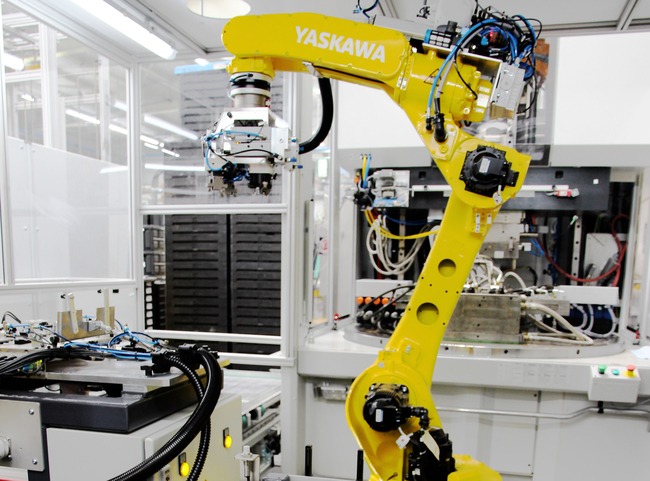
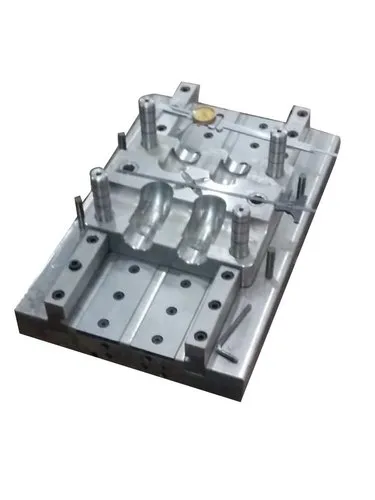
Programmable Logic Controller (PLC)-based mould automation plays a crucial role in modern mould manufacturing and injection moulding processes. PLC systems are designed to control, monitor, and automate various moulding operations with high precision and reliability. They ensure consistent product quality, reduce human intervention, and enhance overall production efficiency.
1. Role of PLC in Mould Automation
A PLC acts as the “brain” of the moulding system. It receives inputs from sensors, processes data based on programmed logic, and sends output signals to actuators, motors, valves, and other devices. In mould automation, PLCs control the entire mould cycle, including:
Mould opening and closing sequences
Injection timing and pressure control
Cooling system regulation
Ejection process coordination
Safety interlocks and alarms
2. Key Components in a PLC-Based Mould Automation System
PLC Unit: Executes control logic and manages communication between components.
Sensors: Monitor parameters like temperature, pressure, position, and flow.
Actuators: Operate mould mechanisms such as ejectors, cores, and slides.
Human Machine Interface (HMI): Allows operators to monitor and adjust parameters easily.
Communication Modules: Enable data exchange between PLC, machine controllers, and monitoring systems.
3. Advantages of PLC-Based Mould Automation
High Precision and Consistency: Ensures accurate control of moulding parameters for consistent part quality.
Improved Efficiency: Reduces cycle time through optimized automation sequences.
Real-Time Monitoring: Allows operators to track production data and detect faults immediately.
Reduced Human Error: Automation minimizes manual intervention, improving safety and reliability.
Easy Troubleshooting: Diagnostic functions in PLCs simplify fault detection and maintenance.
Flexibility: Programs can be modified for different mould designs or production requirements.
4. Applications in the Moulding Industry
PLC-based automation is widely used in:
Injection moulding machines for plastic parts
Compression and blow moulding systems
Automotive moulds for dashboards, bumpers, and lighting components
Furniture moulds for chairs, tables, and storage items
Electronic and precision moulds requiring high accuracy
5. Integration with Smart Technologies
Modern PLC systems can be integrated with IoT (Internet of Things), SCADA (Supervisory Control and Data Acquisition), and Industrial Ethernet networks. This enables remote monitoring, predictive maintenance, and data-driven decision-making—forming a key component of Industry 4.0 in mould manufacturing.
Conclusion
PLC-based mould automation is transforming the mould manufacturing and production process by providing intelligent control, consistency, and operational efficiency. With continuous advancements in automation and digital connectivity, PLC-controlled systems will continue to play a vital role in achieving precision, productivity, and innovation in the moulding industry.