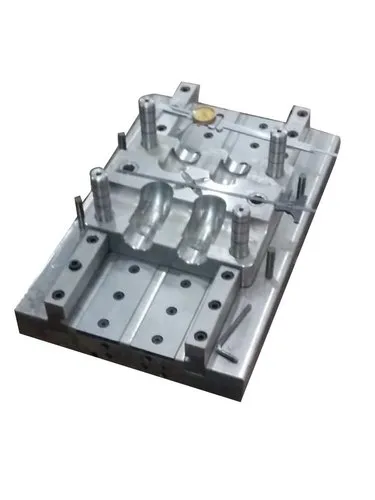
The automotive industry is undergoing a major shift toward sustainability. As manufacturers aim to reduce carbon emissions and improve recyclability, eco-friendly materials in automotive moulding are becoming increasingly important. These materials not only support environmental goals but also help reduce vehicle weight, improve fuel efficiency, and meet global regulatory standards.
1. Why Eco-Friendly Moulding Materials Matter
Reduced carbon footprint: Sustainable materials help automate manufacturers lower lifecycle emissions.
Lightweighting: Eco-friendly plastics and composites often weigh less than traditional metals, improving fuel efficiency or EV range.
Compliance with regulations: Global policies encourage recycled content, biodegradability, and low environmental impact.
Improved brand value: Consumers increasingly prefer eco-conscious products.
2. Types of Eco-Friendly Materials Used in Automotive Moulding
a. Recycled Plastics
Recycled polypropylene (rPP), polyethylene (rPE), and ABS are widely used for interior trims, dashboards, liners, and underbody components.
Benefits:
Reduces plastic waste
Cost-effective
Good mechanical strength
b. Bio-Based Plastics
Materials derived from renewable sources such as corn, sugarcane, castor oil, or cellulose are gaining popularity. Examples include PLA, bio-PA, and bio-PE.
Benefits:
Lower carbon emissions
Lightweight
Suitable for interior parts, clips, and covers
c. Natural Fiber Composites
Natural fibers such as hemp, jute, flax, sisal, and kenaf are reinforced with resins to create eco-friendly composite panels.
Applications:
Door inserts
Interior panels
Seat backs
Benefits:High strength-to-weight ratio
Biodegradable fibers
Superior acoustic performance
d. Recycled Rubber
Reclaimed rubber from tyres is moulded into automotive mats, seals, gaskets, and vibration-damping components.
Benefits:
Diverts rubber waste from landfills
Highly durable and flexible
e. Biodegradable Polymers
Though not widely used in structural parts yet, biodegradable polymers are applied in interior components, protective covers, and packaging within the automotive supply chain.
Benefits:
Environment-friendly disposal
Reduced long-term plastic waste
3. Applications of Eco-Friendly Materials in Automotive Moulding
Interior trims: Door panels, dashboards, storage bins
Exterior components: Bumpers, wheel arch liners, grille inserts
Under-the-hood parts: Covers, ducts, lightweight brackets
Acoustic components: Fiber-based insulation panels
EV components: Lightweight composite housings and covers
4. Advantages for Automotive Manufacturing
Cost savings through reduced raw material consumption and recycling
Enhanced sustainability certification and compliance
Improved vehicle performance through lightweight designs
Better thermal and acoustic insulation
Strong market differentiation in a sustainability-driven industry
5. Challenges and Considerations
Material strength limitations compared to traditional polymers
Higher processing cost for some bio-materials
Need for improved recycling infrastructure
Variation in mechanical properties of natural fibers
Manufacturers are addressing these challenges through advanced material engineering, hybrid composites, and better moulding techniques.
6. Future Trends
Increased use of recycled carbon fiber composites
Development of fully biodegradable automotive components
Growth of closed-loop recycling systems within manufacturing plants
Adoption of bio-resins and hybrid eco-composites for structural parts
Conclusion
Eco-friendly materials are reshaping automotive moulding by reducing environmental impact while enhancing vehicle efficiency and performance. As automotive companies push toward circular economy models and greener mobility, sustainable materials will become a standard part of moulding and manufacturing processes.