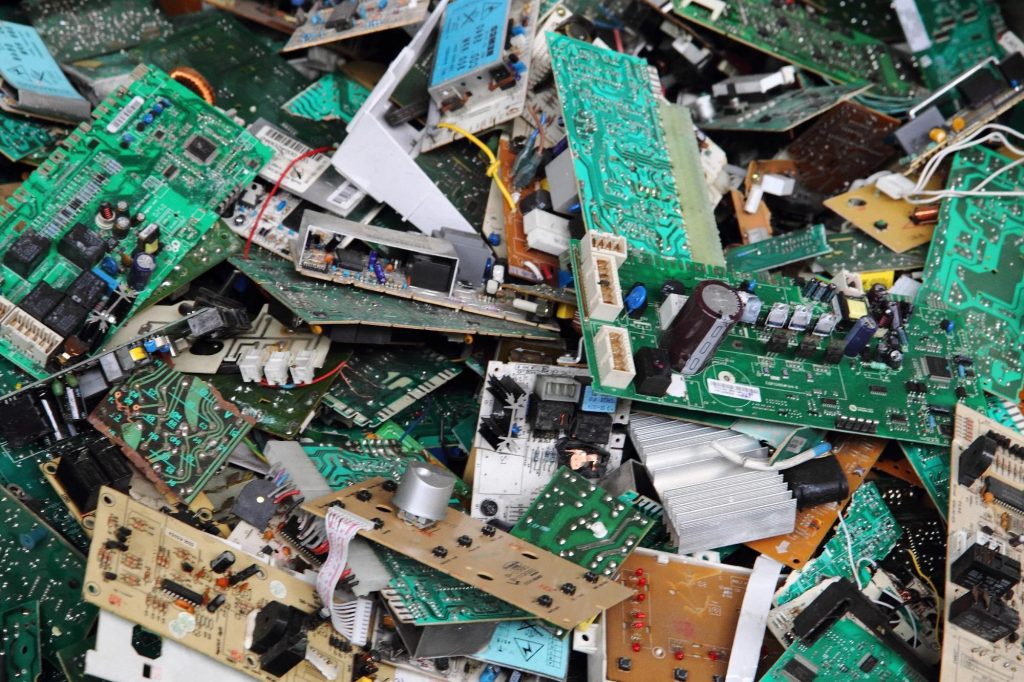
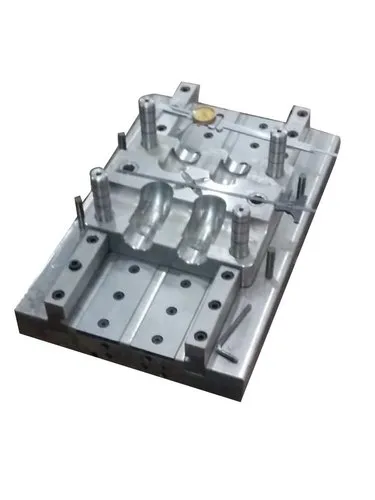
The growing demand for sustainable manufacturing has pushed the electronics and moulding industries to focus not only on efficiency and precision but also on the environmental impact of mould components. Recycling and reusability have become essential strategies to reduce waste, minimize costs, and support a circular economy. Electronic mould components—such as frames, inserts, cores, cooling systems, and sensor-embedded modules—can be effectively reused or recycled when handled with the right processes and materials.
1. Importance of Recycling and Reusability in Moulding
Electronic mould components are typically made from high-grade steel, aluminium, copper alloys, and composite materials that retain value even after long production cycles. Recycling and reuse provide several benefits:
Cost Savings: Reusing mould bases, plates, and cooling channels significantly lowers production costs.
Waste Reduction: Prevents discarded moulds from entering landfills.
Lower Carbon Footprint: Reduces the need for freshly manufactured tool steel and energy-intensive machining.
Resource Efficiency: Conserves high-grade tool materials and electronic components.
2. Components Suitable for Reuse
Many electronic mould parts can be refurbished or repurposed after their initial production cycle:
a. Mould Bases and Frames
Can be cleaned, machined, and adapted for new product designs.
Often reused multiple times with minor modifications.
b. Core & Cavity Inserts
Worn areas can be welded, polished, or recoated.
Inserts can be replaced individually instead of discarding the entire mould.
c. Cooling and Heating Channels
Copper or aluminium channels can be flushed and reused after descaling or ultrasonic cleaning.
d. Sensor-Embedded Components
Smart moulds use temperature, pressure, and flow sensors.
Many sensors can be removed, tested, and reused in new mould assemblies.
3. Recyclable Materials in Electronic Mould Components
Electronic moulds are typically made from:
a. Tool Steels (P20, H13, S7)
Highly recyclable and can be melted to produce new high-strength alloys.
b. Aluminium Alloys
Lightweight and easily recyclable with minimal energy usage.
c. Copper Beryllium and Bronze
Used in high-conductivity inserts; can be refined and reused with proper safety protocols.
d. Electronic Components
Sensors, connectors, thermocouples, and wiring can be recycled through e-waste channels.
4. Methods of Recycling Electronic Mould Components
a. Material Recovery
Scrap steel, aluminium, and copper parts are collected and sent to metal recycling plants.
Ensures high material recovery rates with low environmental impact.
b. Component Refurbishment
Damaged or worn sections are repaired using:
Laser welding
EDM finishing
Re-machining
Surface treatments (nitriding, chrome plating, PVD coatings)
c. Modular Disassembly
Electronic sensors, inserts, and cooling modules are separated for selective recycling or reuse.
Prevents the unnecessary disposal of functional electronic elements.
d. E-Waste Processing
Sensor chips and cables go through certified e-waste handlers for safe disposal or recovery of metals like copper, gold, and silver.
5. Designing Moulds for Reusability
Modern mould designers increasingly adopt Design for Sustainability (DFS) principles:
Modular mould architecture allows quick replacement of individual inserts.
Standardized components ensure easier refurbishment and remanufacturing.
Easy-disassembly designs reduce labour in separating steel, electronic, and composite parts.
Smart moulds track component wear digitally, optimizing reuse cycles.
6. Challenges in Recycling Electronic Mould Parts
Despite advantages, certain challenges remain:
Embedded electronics may complicate dismantling.
Not all materials (e.g., certain coatings) are recyclable.
Contamination from lubricants or resins requires specialized cleaning.
High-precision components may lose accuracy after multiple refurbishments.
7. Future Trends
The industry is adopting new technologies to enhance reusability:
AI-based wear prediction to maximize life cycles.
3D-printed inserts that allow easy replacement.
Advanced coatings that extend refurbishing intervals.
Fully recyclable composite mould materials under development.
Conclusion
Recycling and reusability of electronic mould components are critical for creating a more sustainable and cost-effective mould manufacturing ecosystem. By adopting modular design, using recyclable materials, and implementing efficient refurbishment processes, manufacturers can extend component life, reduce environmental impact, and strengthen circular production practices.