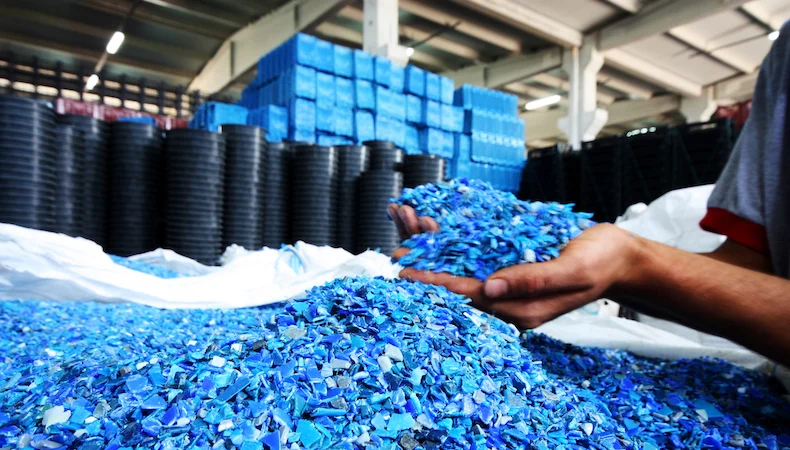
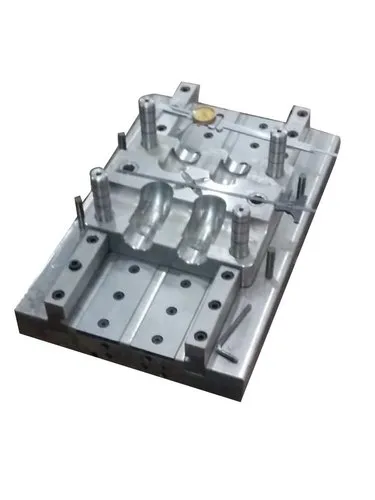
Sustainable mould manufacturing has become a priority across industries as companies aim to reduce environmental impact, optimise resources, and meet global sustainability standards. By adopting eco-friendly materials, energy-efficient processes, and innovative waste-reduction techniques, mould makers can significantly improve both environmental performance and operational efficiency.
1. Use of Eco-Friendly and Recyclable Materials
Sustainability begins with selecting materials that have a lower environmental footprint.
Recycled Steel and Aluminium: Utilising recycled metals reduces energy consumption and mining-related environmental damage.
Biodegradable Plastics for Prototyping: Bioplastics in early-stage prototyping help lower non-recyclable waste.
Green Coatings and Surface Treatments: Water-based coatings reduce chemical emissions and improve worker safety.
2. Energy-Efficient Manufacturing Processes
Energy demand during mould production is often high. Sustainable practices focus on reducing consumption without compromising quality.
CNC Machines with Energy-Saving Modes: Advanced machines adjust speed and power consumption automatically.
Optimised Heating and Cooling Systems: Efficient temperature control during moulding reduces electricity use.
Use of Renewable Energy: Solar-powered workshops or hybrid power systems significantly reduce carbon emissions.
3. Waste Reduction and Recycling Strategies
Waste minimisation is a core pillar of sustainable manufacturing.
Metal Scrap Recycling: Collecting and reprocessing metal scraps lowers material costs and environmental impact.
Lean Manufacturing Principles: Reduces unnecessary movement, defects, and inventory, cutting material waste.
Additive Manufacturing (3D Printing): Used for prototyping and even part of mould components, reducing leftover material.
4. Water Conservation in Cooling Systems
Water is heavily used in mould cooling, making conservation crucial.
Closed-Loop Cooling Systems: Recycle water within the moulding process, drastically reducing consumption.
Efficient Flow Channels: Conformal cooling reduces cycle times and water usage simultaneously.
Rainwater Harvesting for Industrial Use: Supplements cooling needs and lowers dependency on groundwater.
5. Digitalisation and Smart Manufacturing
Smart technologies improve efficiency and reduce resource use.
Digital Twins: Simulate mould performance to avoid manufacturing errors and reduce rework.
IoT-Enabled Moulds: Sensors track temperature, cycle time, and wear, reducing downtime and material waste.
Predictive Maintenance: Extends mould life and prevents breakdown-related energy and material losses.
6. Sustainable Supply Chain and Logistics
Green practices extend beyond the factory floor.
Local Material Sourcing: Reduces transportation emissions and supports regional industries.
Optimised Packaging: Reusable crates and eco-friendly packing materials cut plastic waste.
Vendor Collaboration: Encouraging suppliers to follow environmental standards enhances overall sustainability.
7. Employee Training and Eco-Culture Development
Human involvement is critical for long-term sustainability.
Training on Energy and Waste Management: Helps workers adopt best practices.
Safety and Environmental Awareness Programs: Create a culture of responsibility and care.
Continuous Improvement Teams: Encourage innovation in sustainable practices.
8. Compliance with Global Environmental Standards
Following certifications ensures credibility and accountability.
ISO 14001 Environmental Management System: Helps manufacturers systematically reduce impact.
RoHS and REACH Compliance: Ensures safe and restricted use of hazardous materials.
Life Cycle Assessment (LCA): Evaluates the environmental footprint of moulds from raw material to disposal.
Conclusion
Sustainable mould manufacturing is not only an environmental responsibility but also a smart business strategy. By embracing recyclable materials, energy-efficient technologies, smart systems, and green production methods, companies can achieve lower operational costs, enhanced product quality, and a stronger competitive edge. As global industries move toward sustainability, adopting these practices is essential for staying relevant and future-ready.