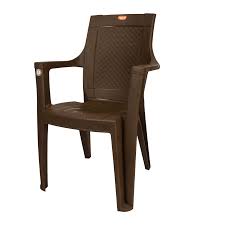
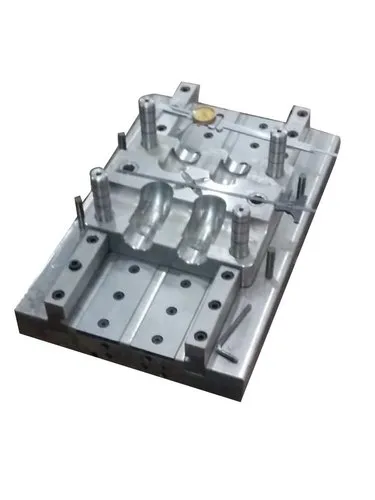
Smart plastic furniture represents the future of home and office interiors, combining the durability and versatility of plastic with advanced digital features. As consumers increasingly seek convenience, automation, and modular living solutions, technology-integrated furniture is emerging as a significant trend across residential, commercial, and outdoor environments.
1. Evolution of Plastic Furniture with Smart Features
Traditionally valued for its lightweight nature, affordability, and weather resistance, plastic furniture is now being redesigned to meet modern expectations. Advancements in moulding techniques and embedded electronics have enabled manufacturers to seamlessly integrate sensors, connectivity modules, and energy-efficient components into plastic structures.
2. Key Technologies Used in Smart Plastic Furniture
a. Embedded Sensors
Smart plastic furniture may incorporate:
Weight sensors to monitor occupancy.
Temperature sensors for climate-adjusted comfort.
Motion sensors for security alerts or automated lighting.
b. IoT Connectivity
Through Bluetooth, Wi-Fi, or Zigbee modules, furniture can:
Connect to smart home systems.
Send alerts to mobile apps.
Sync with other devices like lighting or entertainment systems.
c. Wireless Charging
Tables and chairs with integrated Qi-enabled pads allow hassle-free charging of smartphones and gadgets.
d. LED Lighting and Smart Controls
Plastic moulds easily accommodate:
Ambient lighting
Mood-based colour settings
Touch or app-based control panels
e. Solar Power Integration
Outdoor plastic furniture can include:
Solar panels for powering lights, chargers, or sensors
Sustainable off-grid energy systems
3. Applications of Smart Plastic Furniture
Home Interiors
Smart chairs that track posture and provide feedback
Coffee tables with wireless charging and embedded Bluetooth speakers
Nightstands with integrated lighting and connectivity
Offices and Commercial Spaces
Smart workstations with occupancy monitoring
Meeting-room chairs with device charging support
Waiting-area seating with built-in information displays
Outdoor and Hospitality
Solar-powered garden benches
LED-lit poolside recliners
Weather-responsive seating that adjusts lighting or sends maintenance alerts
4. Benefits of Technology-Integrated Plastic Furniture
Enhanced user convenience through automation
Space-saving and multifunctional designs
Better ergonomics and improved health tracking
Increased energy efficiency with solar or low-power components
Improved safety and security through sensors
5. Manufacturing Considerations
Producing smart plastic furniture requires:
Advanced mould design to embed electronics safely
Heat-resistant compartments for circuit boards
Waterproofing for outdoor models
Use of high-impact polymers to protect integrated components
Collaboration between furniture designers and technology developers
6. Market Trends and Future Outlook
The smart furniture market is growing rapidly due to:
Rising adoption of smart homes
Demand for connected workspaces
Increasing preference for modular and multifunctional designs
Future developments may include:
AI-enabled furniture that learns user habits
Self-adjusting ergonomic seating
Fully battery-free furniture powered by ambient energy harvesting
Conclusion
Smart plastic furniture marks a significant shift in how we interact with everyday objects. By merging durable plastic materials with cutting-edge technology, manufacturers are creating furniture that is not only practical and stylish but also intelligent and responsive. This integration is setting the foundation for future living environments where comfort, connectivity, and convenience seamlessly blend.