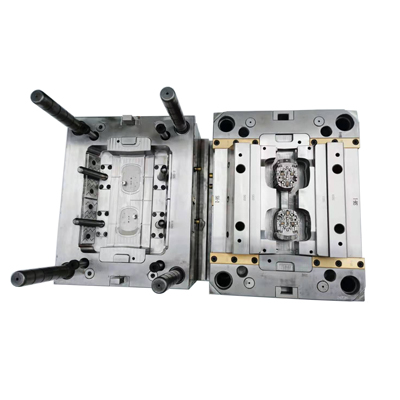
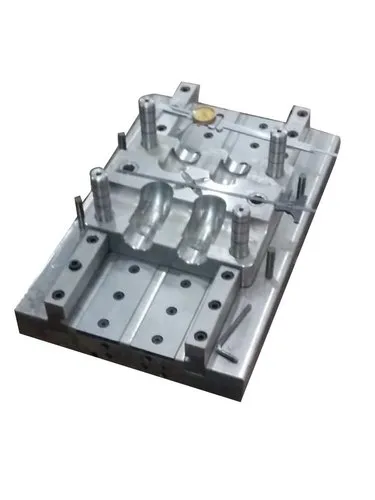
Compliance standards are essential in the design and production of electronic moulds, ensuring safety, environmental sustainability, and market eligibility. Meeting global regulatory requirements like RoHS, CE, REACH, and others helps manufacturers maintain product quality, reduce environmental impact, and access international markets.
1. Importance of Compliance in Electronic Mould Manufacturing
Ensures human safety by preventing hazardous materials or unsafe product operation.
Enables market access to regions such as Europe, the US, and Asia-Pacific.
Reduces legal risks, fines, and product recalls.
Builds customer trust through certified and reliable products.
Promotes sustainable manufacturing with reduced environmental footprint.
2. Key Compliance Standards for Electronic Moulds
A. RoHS (Restriction of Hazardous Substances)
RoHS is a European Union directive restricting hazardous materials in electrical and electronic products.
Purpose:
Minimize toxic substances in components and moulded parts.
Protect users and environment from harmful chemicals.
Restricted Substances (Typical RoHS Limits):
Lead (Pb)
Mercury (Hg)
Cadmium (Cd)
Hexavalent Chromium (Cr6+)
Polybrominated Biphenyls (PBB)
Polybrominated Diphenyl Ethers (PBDE)
Four phthalates (DEHP, BBP, DBP, DIBP)
Relevance to Electronic Moulds:
Plating, connectors, wiring channels, inserts, electronic housings must be RoHS-compliant.
Ensures all moulded parts used in electronic devices meet international safety requirements.
B. CE Marking
CE (Conformité Européenne) indicates that a product meets EU health, safety, and environmental protection standards.
Purpose:
Certifies that the electronic moulded component is safe for the European market.
Applies to products with electrical functionality or associated safety concerns.
CE Requirements for Electronic Moulds:
EMC Directive (Electromagnetic Compatibility)
Low Voltage Directive
RoHS Compliance
Machinery Safety (if applicable)
Documentation and Technical File Creation
Key Manufacturer Responsibilities:
Risk assessment
Testing and third-party validation
Declaration of Conformity (DoC)
Product labeling and traceability
C. REACH (Registration, Evaluation, Authorisation, and Restriction of Chemicals)
REACH is an EU regulation ensuring chemical safety in manufactured goods.
Relevance:
Applies to mould materials, coatings, lubricants, and additives.
Requires disclosure if components contain any Substances of Very High Concern (SVHC) above permitted limits.
D. UL Certification (Underwriters Laboratories)
UL certification is widely recognized in North America and globally.
Relevance to Electronic Moulds:
Ensures fire safety, material flammability standards, and electrical insulation quality.
Common for moulded housings, connectors, and PCB holders.
E. IPC Standards (for Electronic Assemblies)
IPC standards are important when moulded parts interface directly with electronic assemblies.
Examples:
IPC-A-610 for acceptability of electronic assemblies
IPC-2221 for PCB design and clearance
F. ISO Standards Relevant to Moulding and Electronics
ISO 9001 – Quality Management
ISO 14001 – Environmental Management
ISO 45001 – Occupational Health & Safety
ISO 10303 / STEP – Mould design data exchange standards
ISO 2768 – Engineering tolerances for mould parts
3. Compliance Requirements During Mould Design and Production
Material Selection
Only certified materials (RoHS-free, UL-rated).
No restricted chemicals above allowable limits.
Traceable supply chain documentation.
Production Process Controls
Proper ventilation and handling of chemicals.
Environmental management (ISO 14001 practices).
Documentation of every material batch used.
Testing and Validation
Common tests:
Electrical safety testing
Insulation resistance
Flammability tests (UL94 V-0/V-2)
Thermal cycling
Mechanical durability
Chemical exposure tests
Labeling and Documentation
CE markings where required
RoHS compliance certificate
Material Safety Data Sheets (MSDS)
Bill of Materials (BOM) traceability
Declaration of Conformity (DoC)
4. Challenges in Meeting Compliance Standards
Maintaining documentation for every mould component.
Increased cost due to certified materials.
Frequent updates in RoHS and REACH lists.
Testing requirements add time to development cycles.
Global variations in standards require customization.
5. Benefits of Compliance for Manufacturers
Access to highly regulated markets (EU, US, Japan).
Enhanced brand reputation.
Reduced product failure and warranty claims.
Sustainable and environmentally friendly manufacturing.
Lower legal and financial risk.
6. Summary
Compliance standards such as RoHS, CE, REACH, UL, and relevant ISO frameworks are crucial in ensuring that electronic moulds meet global expectations for safety, environmental protection, and performance. Proper alignment with these regulations helps manufacturers deliver reliable, sustainable, and legally compliant products across international markets.