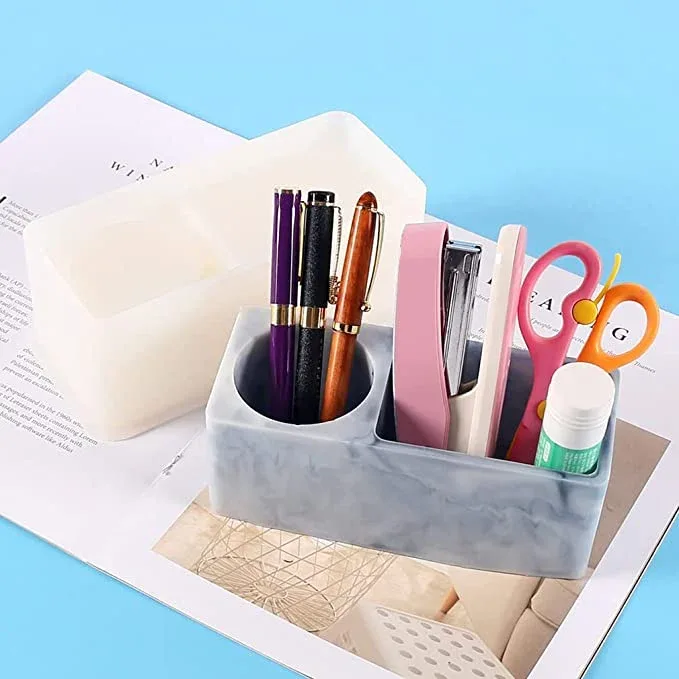
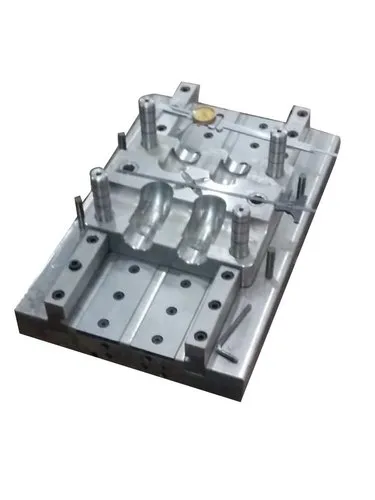
Stationery products such as pens, rulers, sharpeners, erasers, files, clips, and school accessories are mass-produced items that require high-quality, cost-effective, and durable mould designs. Proper mould design ensures consistent product quality, long mould life, and efficient production cycles. The following are the key design considerations for stationery product moulds.
1. Product Functionality and Ergonomics
Stationery items are used daily by students, professionals, and children. Mould design must support:
Comfortable grip and handling
Smooth edges and rounded corners
Safe, child-friendly geometry
Functional features such as clips, hinges, or snap-fits
Ergonomic design improves user experience and reduces product rejection.
2. Material Selection Compatibility
Common materials used for stationery moulding include PP, ABS, PS, HDPE, PVC, and sometimes recycled plastics. Mould design must consider:
Material shrinkage rates
Flow behavior and viscosity
Wall thickness limitations
Heat resistance and cooling requirements
Correct material-mould compatibility ensures dimensional accuracy and surface finish.
3. Wall Thickness Uniformity
Uniform wall thickness is essential to avoid defects such as:
Sink marks
Warpage
Short shots
Internal stress
Thin yet consistent wall sections are preferred to achieve lightweight products and faster cycle times.
4. Parting Line and Ejection System Design
Proper parting line placement ensures:
Minimal visible marks on aesthetic surfaces
Easy mould opening and closing
Accurate alignment of mould halves
The ejection system (pins, sleeves, stripper plates) must be designed to eject parts without deformation, especially for thin or flexible stationery items.
5. Gate and Runner Design
Efficient gating is critical for high-volume stationery production:
Gates should allow smooth material flow
Runner layout should minimize material wastage
Gate marks should be hidden or placed on non-visible areas
Hot runner systems are often used for multi-cavity stationery moulds to reduce scrap and improve cycle efficiency.
6. Multi-Cavity and Family Mould Considerations
To meet large-scale production demands, stationery moulds often use:
Multi-cavity designs for identical products
Family moulds for related components
Design balance is crucial to ensure equal filling of all cavities and consistent part quality.
7. Surface Finish and Texture
Stationery products often require attractive visual appeal. Mould surfaces must support:
High-polish finishes for glossy products
Textured finishes for grip enhancement
Logo, branding, or embossed text
Surface treatment directly affects product aesthetics and market acceptance.
8. Cooling System Efficiency
An optimized cooling system ensures:
Faster cycle times
Reduced warpage
Uniform part cooling
Cooling channels should be strategically placed close to core and cavity areas without compromising mould strength.
9. Durability and Tool Steel Selection
Stationery moulds are typically used for long production runs. Tool design should consider:
Wear-resistant mould steels
Easy maintenance and part replacement
Resistance to abrasion from filled or recycled plastics
Durable moulds reduce downtime and production costs.
10. Cost Optimization and Manufacturability
Since stationery products are price-sensitive, mould design must balance quality and cost by:
Simplifying part geometry where possible
Reducing machining complexity
Optimizing cavity count
Designing for easy assembly and maintenance
Cost-effective mould design ensures competitive pricing in high-volume markets.
Conclusion
Designing moulds for stationery products requires careful attention to functionality, material behavior, aesthetics, and production efficiency. By addressing key factors such as wall thickness, gating, cooling, and durability, manufacturers can achieve high-quality stationery products with consistent performance and long mould life. Well-designed stationery moulds play a crucial role in meeting market demands while maintaining cost efficiency and product reliability.