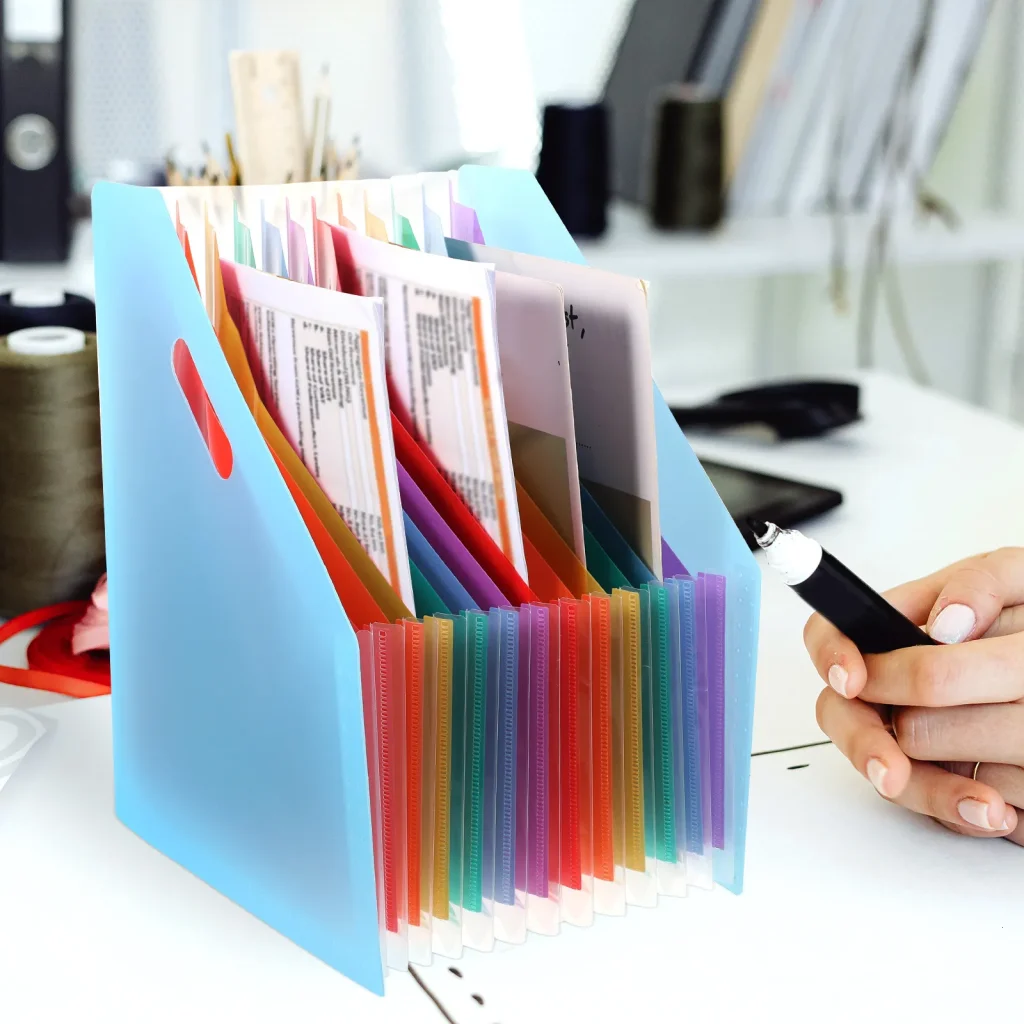
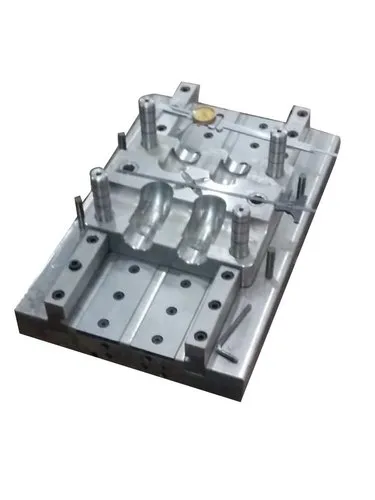
Notebook, file, and folder mould manufacturing plays a crucial role in the mass production of educational, office, and institutional stationery products. These moulds are designed to deliver high productivity, consistent quality, and precise dimensional control for plastic components such as covers, spines, clips, rings, and binding accessories.
Materials Used in Notebook and File Moulds
Common thermoplastics processed using these moulds include:
Polypropylene (PP): Flexible, lightweight, and cost-effective for covers and folders
ABS: Rigid and impact-resistant for premium files and organisers
Polyethylene (HDPE / LDPE): Used for flexible folders and sleeves
Polycarbonate (PC): For high-strength transparent covers
Material selection is optimised for durability, flexibility, and surface finish.
Mould Design Considerations
Thin-Wall Moulding: Enables lightweight yet strong notebook and folder components
Uniform Wall Thickness: Prevents warpage and ensures smooth closing and alignment
High-Cavity Layouts: Supports large-scale production with reduced cycle times
Textured and Polished Surfaces: Achieves matte, leather-grain, or glossy finishes
Precision Parting Lines: Minimises flash and post-processing
Manufacturing Technologies
Injection Moulding: Primary process for producing notebook covers, files, and folders
Hot Runner Systems: Reduce material waste and improve production efficiency
Multi-Component Moulding: Enables integrated clips, hinges, and locking mechanisms
Automatic Ejection Systems: Ensures consistent part removal and high throughput
Tool Steel and Mould Construction
P20 / Modified P20 Steel: Widely used for long-production moulds
H13 Tool Steel: Ideal for high-wear areas and extended mould life
Hardened Inserts: Used in clip, hinge, and locking feature zones
Precision Machining: CNC and EDM processes ensure tight tolerances
Quality and Performance Features
Dimensional accuracy for smooth assembly of rings, clips, and closures
Consistent surface texture and colour compatibility
Long mould life with minimal maintenance
Stable production for high-volume stationery manufacturing
Applications
School and college notebooks
Office files and document folders
Lever-arch files and ring binders
Presentation folders and organisers
Advantages of Precision Notebook and Folder Moulds
High productivity for mass-market stationery
Reduced material usage through optimised design
Superior surface aesthetics and structural strength
Cost-effective tooling for long-term production