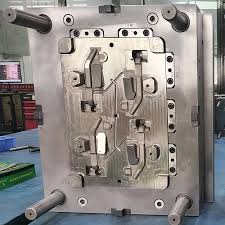
Mold Flow Analysis (MFA) is a critical simulation process used in the design and development of cosmetic packaging moulds. Cosmetic components such as lipstick cases, compact powder boxes, jars, caps, and bottles demand superior surface finish, dimensional accuracy, and consistent quality. Mold flow analysis helps predict and optimize the behavior of molten plastic during injection moulding, reducing defects and improving overall production efficiency.
Importance of Mold Flow Analysis in Cosmetic Moulds
Cosmetic parts are typically thin-walled, visually sensitive, and often produced using transparent or high-gloss materials. Mold flow analysis allows manufacturers to evaluate filling patterns, cooling efficiency, and solidification behavior before the mould is built, ensuring flawless aesthetics and functional performance.
Key Objectives of Mold Flow Analysis
Optimized Part Filling: Ensures uniform melt flow without hesitation, short shots, or air traps.
Gate Location Optimization: Identifies ideal gate positions to minimize weld lines and visible flow marks.
Surface Quality Enhancement: Reduces swirl marks, sink marks, and gloss variation on cosmetic surfaces.
Cycle Time Reduction: Optimizes cooling channel design for faster and consistent production.
Material Performance Evaluation: Assesses flow behavior of cosmetic-grade materials such as PMMA, PET, PP, ABS, and SAN.
Common Cosmetic Moulding Defects Addressed
Flow lines and weld marks on visible surfaces
Air traps and burn marks in thin sections
Sink marks on thick ribs or decorative features
Warpage affecting part alignment and assembly
Uneven gloss or transparency issues
Mold flow analysis helps identify these issues early and provides corrective design recommendations.
Mold Flow Parameters Analyzed
Injection pressure and clamp force requirements
Melt temperature and shear rate distribution
Cooling time and temperature uniformity
Volumetric shrinkage and warpage tendencies
Fill time and flow front progression
These parameters are crucial for achieving repeatable quality in high-volume cosmetic production.
Benefits for High-Volume Cosmetic Production
Reduced mould rework and development costs
Faster time-to-market for new cosmetic products
Improved part consistency across multi-cavity moulds
Enhanced compatibility with hot runner systems
Increased mould life and production reliability
Role in Sustainable and Lightweight Design
Mold flow analysis supports lightweight cosmetic packaging by validating thinner wall sections without compromising strength or appearance. It also enables efficient use of recyclable and bio-based plastics by optimizing processing conditions.
Conclusion
Mold Flow Analysis is an indispensable tool in cosmetic mould manufacturing, enabling manufacturers to achieve superior aesthetics, dimensional stability, and production efficiency. By identifying potential moulding issues at the design stage, MFA ensures high-quality cosmetic parts that meet both functional and visual expectations while minimizing cost and waste.