Extrusion is one of the most widely used plastic manufacturing processes for producing continuous products with a uniform cross-section. From plastic pipes and sheets to films, tubing, and complex profiles, extrusion plays a crucial role in industries such as construction, automotive, packaging, electrical, and medical manufacturing.
At the heart of the extrusion process is the extrusion die—a precision-engineered tool that shapes molten plastic into the desired profile. The design and type of extrusion die significantly influence product quality, dimensional accuracy, production speed, and material efficiency.
This guide explores the most common types of extrusion dies used in plastic manufacturing, their features, applications, advantages, and selection criteria.
What Is an Extrusion Die?
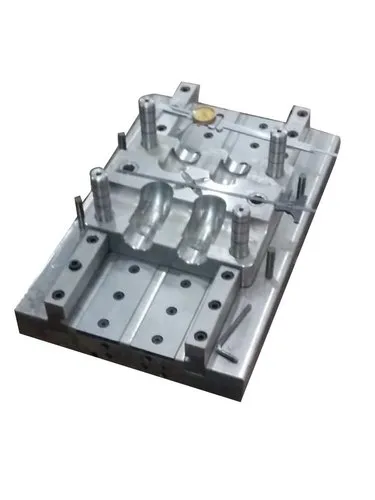
An extrusion die is a specially designed metal tool mounted at the end of an extruder. As molten plastic is forced through the die under pressure, it takes the shape of the die opening. The continuous plastic profile is then cooled, calibrated, and cut or wound according to the product requirements.
Extrusion dies are manufactured from high-quality tool steel and are precisely machined to ensure consistent product dimensions and smooth material flow.
Why Different Types of Extrusion Dies Are Used
Different plastic products require different die designs because each product has unique dimensional, structural, and performance requirements.
Using the correct die helps manufacturers:
- Achieve accurate product dimensions
- Improve surface finish
- Maintain consistent wall thickness
- Increase production efficiency
- Reduce material waste
- Minimize production defects
- Extend die service life
1. Pipe Extrusion Die
Pipe extrusion dies are designed to manufacture plastic pipes and tubes with precise inner and outer diameters.
Features
- Circular die opening
- Mandrel for internal diameter control
- Uniform wall thickness
- High-pressure melt distribution
Advantages
- Excellent dimensional accuracy
- Smooth internal surfaces
- High production efficiency
- Suitable for pressure pipes
Applications
- PVC pipes
- HDPE pipes
- Water supply pipes
- Gas pipelines
- Irrigation systems
2. Tubing Extrusion Die
Tubing dies produce flexible or rigid plastic tubes with smaller diameters than standard pipes.
Features
- Precision mandrel design
- Thin wall capability
- Uniform material distribution
Advantages
- High dimensional consistency
- Smooth internal bore
- Excellent flexibility options
Applications
- Medical tubing
- Laboratory tubes
- Automotive fluid lines
- Beverage tubing
- Electrical insulation tubing
3. Sheet Extrusion Die (Flat Die)
Flat sheet dies manufacture wide plastic sheets with consistent thickness.
Features
- Wide slit opening
- Adjustable lip gap
- Uniform melt flow
Advantages
- Excellent thickness control
- Smooth surface finish
- High production speed
Applications
- Plastic sheets
- Signage materials
- Thermoforming sheets
- Industrial panels
- Packaging sheets
4. Film Extrusion Die
Film dies produce thin plastic films used for flexible packaging and industrial applications.
Features
- Extremely narrow die gap
- Precision flow control
- High-speed operation
Advantages
- Uniform film thickness
- Excellent transparency
- High output
Applications
- Food packaging films
- Shrink films
- Stretch films
- Agricultural films
- Protective films
5. Blown Film Die
Blown film dies create tubular plastic films by inflating molten plastic into a bubble.
Features
- Circular die
- Air ring cooling
- Bubble formation
Advantages
- Lightweight films
- High strength
- Excellent flexibility
- Efficient material usage
Applications
- Shopping bags
- Garbage bags
- Packaging films
- Agricultural covers
- Industrial liners
6. Profile Extrusion Die
Profile dies manufacture plastic products with complex cross-sectional shapes.
Features
- Custom die geometry
- Complex internal flow channels
- Precision dimensional control
Advantages
- Unlimited profile possibilities
- High repeatability
- Excellent surface quality
Applications
- Window profiles
- Door frames
- Cable ducts
- Decorative trims
- Furniture components
7. Co-Extrusion Die
Co-extrusion dies combine two or more plastic materials into a single product.
Features
- Multiple material flow channels
- Layer control
- Integrated die design
Advantages
- Multi-layer construction
- Improved barrier properties
- Material cost savings
- Enhanced product performance
Applications
- Food packaging
- Multi-layer pipes
- Medical tubing
- Laminated sheets
- Barrier films
8. Wire and Cable Coating Die
These dies apply a uniform plastic coating around electrical wires and cables.
Features
- Concentric coating
- High-speed operation
- Precision centering
Advantages
- Uniform insulation
- Excellent electrical protection
- Strong adhesion
Applications
- Power cables
- Communication cables
- Automotive wiring
- Fiber optic cables
9. Hollow Profile Die
Hollow profile dies manufacture products with enclosed internal cavities.
Features
- Internal mandrels
- Bridge or spider support
- Uniform wall thickness
Advantages
- Lightweight products
- Improved strength
- Material savings
Applications
- Structural profiles
- Furniture components
- Construction products
- Plastic channels
10. Spiral Mandrel Die
Spiral mandrel dies distribute molten plastic evenly through spiral flow channels before it exits the die.
Features
- Spiral melt distribution
- Balanced material flow
- Uniform pressure
Advantages
- Excellent thickness uniformity
- Reduced weld lines
- High-quality surface finish
Applications
- Blown film
- Pipe extrusion
- Tubing
- High-performance packaging
Conclusion
Extrusion dies are essential tools in plastic manufacturing, enabling the production of a wide variety of continuous plastic products, including pipes, tubing, sheets, films, profiles, and cable coatings. Each type of die is engineered to meet specific product requirements, ensuring optimal material flow, dimensional accuracy, and production efficiency.
Understanding the different types of extrusion dies and their applications helps manufacturers choose the most suitable tooling for their production needs. By selecting the right die and maintaining it properly, companies can improve product quality, minimize waste, reduce costs, and achieve reliable, high-volume manufacturing across diverse industries.