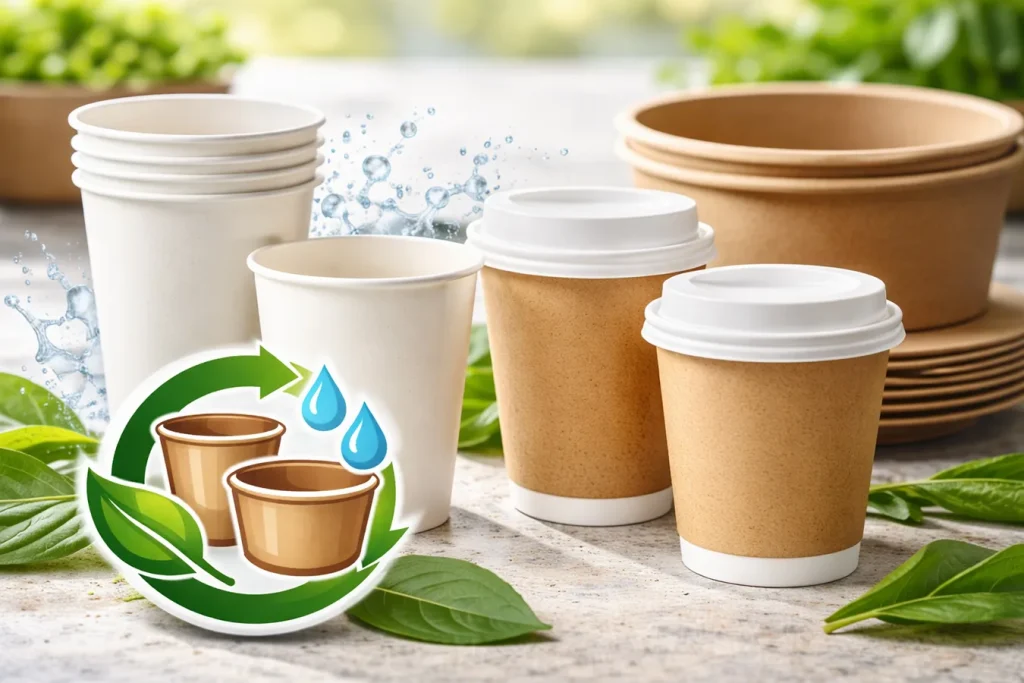
The use of non-toxic and eco-friendly plastics has become a critical focus across industries such as medical devices, cosmetics, food packaging, stationery, and educational products. These materials help reduce environmental impact while ensuring product safety, regulatory compliance, and consumer trust.
What Are Non-Toxic and Eco-Friendly Plastics?
Non-toxic and eco-friendly plastics are polymer materials designed to be safe for human contact and environmentally responsible throughout their lifecycle. They are free from harmful substances such as BPA, phthalates, heavy metals, and toxic additives, and are often recyclable, biodegradable, or derived from renewable resources.
Key Types of Eco-Friendly Plastics
Bioplastics: Made from renewable sources such as corn starch, sugarcane, or cellulose (e.g., PLA).
Recyclable Thermoplastics: Materials like PP, PE, and PET that can be reprocessed and reused.
Bio-Based Polymers: Plastics partially or fully derived from biological sources but offering performance similar to conventional plastics.
Compostable Plastics: Designed to break down under industrial composting conditions without leaving toxic residues.
Benefits of Using Non-Toxic and Eco-Friendly Plastics
Enhanced Consumer Safety: Safe for skin contact, food contact, and child use.
Environmental Sustainability: Reduced carbon footprint and waste generation.
Regulatory Compliance: Meets global standards such as FDA, RoHS, REACH, and EN regulations.
Brand Value Improvement: Supports eco-conscious branding and corporate responsibility.
Reduced Health Risks: Eliminates harmful chemical exposure during use and disposal.
Applications Across Industries
Medical Products: Disposable devices, diagnostic components, and packaging requiring biocompatibility.
Cosmetic Packaging: Containers, caps, and applicators that come into direct contact with skin.
Educational and Children’s Products: Toys, stationery, and learning aids requiring non-toxic materials.
Food and Beverage Packaging: Safe storage and transport of consumables.
Household and Consumer Goods: Daily-use items designed for sustainability.
Manufacturing and Moulding Considerations
Proper material selection to balance strength, flexibility, and biodegradability.
Mould design optimization to suit bio-based materials with lower heat resistance.
Process control to maintain consistent quality and avoid material degradation.
Surface finishing that does not require toxic coatings or treatments.
Challenges and Solutions
While eco-friendly plastics may have limitations such as higher material costs or lower heat resistance, continuous material innovation and optimized moulding processes are helping overcome these challenges. Blended materials and reinforced bioplastics now offer improved durability and performance.
Conclusion
The use of non-toxic and eco-friendly plastics is no longer optional—it is a strategic necessity. By adopting safe and sustainable materials, manufacturers can protect human health, comply with global regulations, reduce environmental impact, and meet growing consumer demand for responsible products.