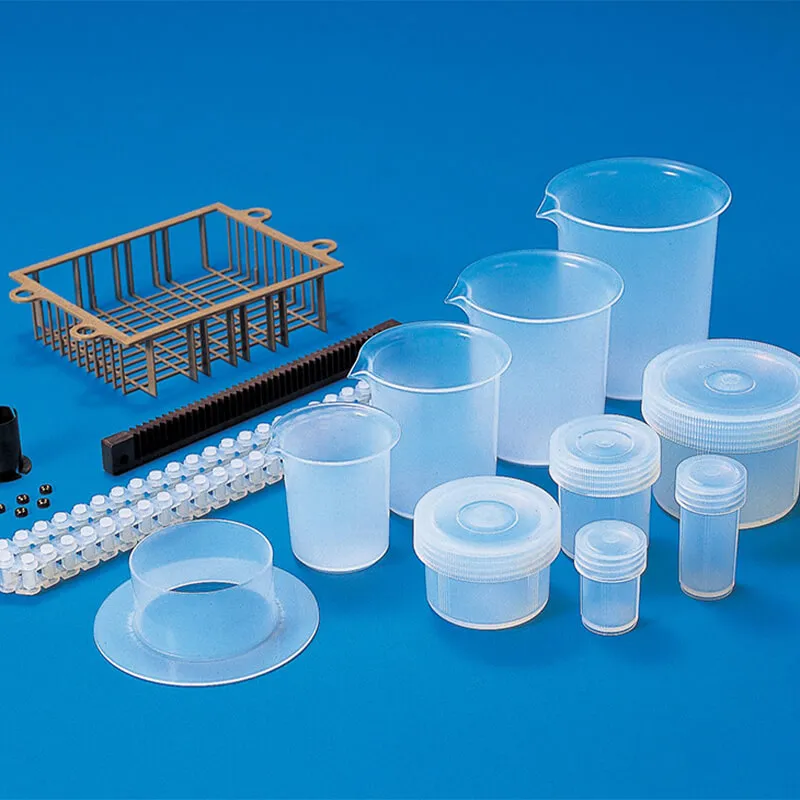
Thin-wall moulding is a specialized injection moulding process used to manufacture lightweight, high-precision medical disposable components with wall thicknesses typically below 1 mm. This technology is widely adopted in the medical industry to produce cost-effective, high-volume products while maintaining strict quality and regulatory standards.
Importance in Medical Disposables
Medical disposables such as syringes, diagnostic containers, specimen cups, IV components, pipette tips, and laboratory consumables require consistency, sterility, and material efficiency. Thin-wall moulding enables manufacturers to reduce material usage without compromising part strength, dimensional accuracy, or functional performance.
Key Design Considerations
Uniform Wall Thickness: Ensures smooth melt flow, minimizes warpage, and reduces internal stresses.
Optimized Gate Design: High-flow gates support fast filling and prevent short shots in thin sections.
Advanced Cooling Systems: Conformal or high-efficiency cooling channels reduce cycle time and maintain part stability.
Precision Venting: Micro-venting prevents air traps and burn marks common in thin-wall parts.
Material Selection
Medical-grade polymers commonly used in thin-wall moulding include:
Polypropylene (PP): Lightweight, chemical-resistant, and suitable for sterilization.
Polyethylene (HDPE/LDPE): Flexible and impact-resistant for disposable containers.
Polystyrene (PS): Provides clarity and dimensional accuracy for diagnostic products.
Cyclic Olefin Polymers (COP/COC): Used where high transparency and purity are required.
All materials must comply with medical standards such as USP Class VI, ISO 10993, and regulatory guidelines for biocompatibility.
High-Speed Moulding Requirements
Thin-wall medical moulds operate at high injection speeds and pressures. This demands:
High-strength mould steels with excellent wear resistance
Robust mould construction to withstand repeated stress
High-performance hot runner systems for consistent melt flow and minimal material waste
Advantages of Thin-Wall Moulding
Reduced Material Consumption: Lower resin usage leads to cost savings.
Shorter Cycle Times: Faster cooling and filling increase production efficiency.
High-Volume Output: Ideal for mass-produced medical disposables.
Sustainability: Lower material use supports eco-friendly manufacturing goals.
Quality and Regulatory Compliance
Thin-wall moulding for medical disposables must adhere to stringent quality controls, including:
Cleanroom manufacturing environments
Validation protocols such as IQ, OQ, and PQ
Traceability of materials and processes
Compliance with FDA, ISO 13485, and GMP requirements
Applications
Common thin-wall moulded medical disposable products include:
Syringe barrels and plungers
Diagnostic and laboratory ware
Medical trays and covers
Sample collection containers
Single-use medical packaging components
Conclusion
Thin-wall moulding plays a critical role in the efficient production of modern medical disposables. By combining precision mould design, medical-grade materials, and high-speed injection technology, manufacturers can deliver reliable, cost-effective, and compliant disposable medical products that meet the growing demands of the healthcare industry.