Automation and robotics play a critical role in modern medical moulding by enhancing precision, consistency, and compliance with strict healthcare standards. As medical devices and components demand tighter tolerances and higher cleanliness levels, automated moulding systems have become essential for achieving reliable, scalable, and contamination-free production.
Role of Automation in Medical Moulding
Automation integrates advanced machinery, sensors, and control systems into the moulding process to minimize human intervention. Automated injection moulding machines ensure precise control over parameters such as temperature, pressure, and cycle time, resulting in consistent part quality and reduced variability. This level of control is especially vital for medical components where even minor deviations can affect performance or patient safety.
Robotics in Medical Component Manufacturing
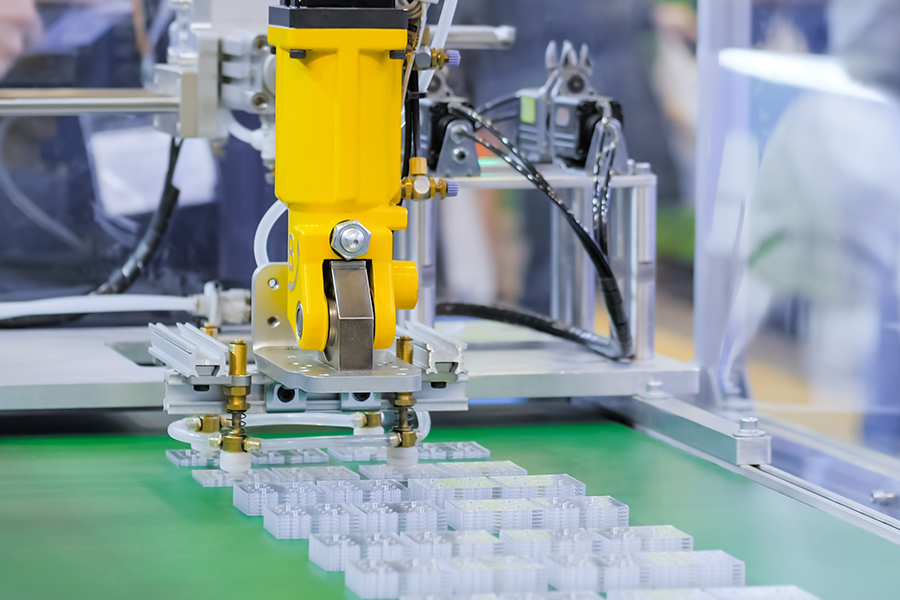
Robotic systems are widely used for part handling, insert placement, assembly, and packaging in medical moulding operations. High-precision robots can safely and accurately remove moulded parts, reducing the risk of damage or contamination. In cleanroom environments, robots help maintain sterility by limiting direct human contact with sensitive medical components such as syringes, catheters, and diagnostic housings.
Cleanroom Compatibility and Contamination Control
Medical moulding often takes place in controlled cleanroom environments. Automated and robotic solutions are designed to meet cleanroom standards, ensuring low particle generation and consistent cleanliness. Robotic arms with smooth surfaces and enclosed automation cells help prevent particulate contamination, supporting compliance with ISO 13485 and other regulatory requirements.
Improved Quality and Traceability
Automation enhances quality assurance through real-time monitoring, in-process inspection, and data logging. Robotic vision systems can detect defects, verify dimensions, and ensure correct assembly. This level of automation supports full traceability of medical components, which is crucial for regulatory audits and post-market surveillance.
Increased Efficiency and Cost Optimization
By reducing manual labor and cycle times, automation significantly improves production efficiency. Robotic systems operate continuously with high repeatability, enabling higher output without compromising quality. Although initial investment may be higher, automated medical moulding reduces long-term costs by minimizing scrap, rework, and downtime.
Scalability and Future-Ready Manufacturing
Automated and robotic moulding systems provide scalability for growing medical markets. Manufacturers can easily adapt production lines to new medical products, materials, or regulatory requirements. With the integration of Industry 4.0 technologies, automation also supports smart manufacturing, predictive maintenance, and process optimization.
Conclusion
Automation and robotics have transformed medical moulding into a highly precise, clean, and efficient manufacturing process. By ensuring consistent quality, regulatory compliance, and contamination control, automated medical moulding systems enable the reliable production of critical healthcare components. As medical device innovation continues to advance, automation and robotics will remain key drivers of safe, scalable, and future-ready medical manufacturing.