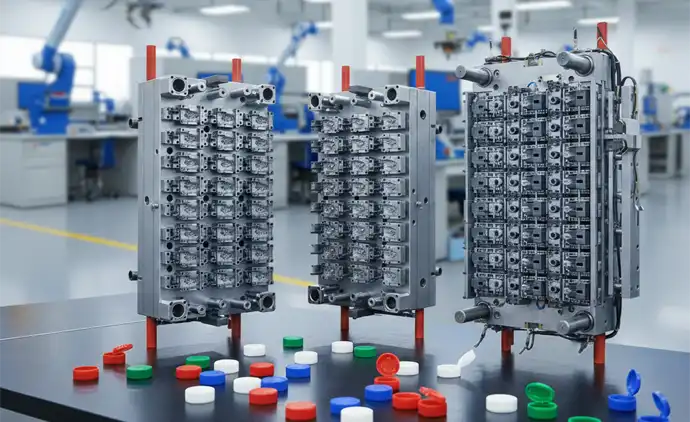
In the premium cosmetics industry, product appearance, tactile feel, and functional performance are as important as formulation quality. Multi-material moulds enable cosmetic brands to create visually striking, ergonomic, and high-performance packaging by combining two or more materials within a single moulded component. This advanced moulding technology plays a crucial role in elevating brand perception and user experience.
What Are Multi-Material Moulds?
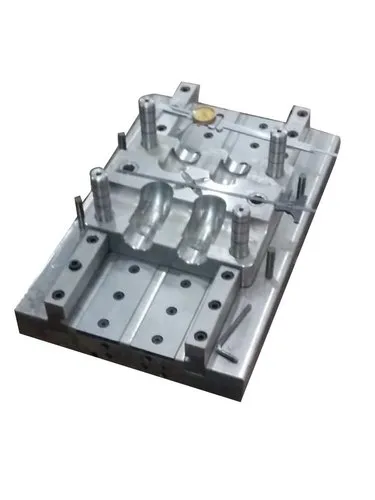
Multi-material moulds are specialized injection moulds designed to process different polymers—either sequentially or simultaneously—within one moulding cycle. Techniques such as overmoulding, two-shot (2K) moulding, and multi-shot moulding allow rigid and soft, transparent and opaque, or glossy and matte materials to be seamlessly integrated into a single cosmetic part.
Key Benefits for Premium Cosmetic Packaging
Enhanced Aesthetics
Combine high-gloss plastics, soft-touch elastomers, metallic-effect resins, and transparent materials to create luxurious, eye-catching designs.Improved Tactile Experience
Soft-touch grips, flexible seals, and ergonomic surfaces enhance comfort and perceived product quality.Functional Integration
Multiple functions—such as sealing, actuation, and decoration—can be built into one component, reducing assembly steps.Strong Material Bonding
Advanced mould design ensures excellent adhesion between materials, eliminating delamination and improving durability.Consistent Quality at Scale
Automated multi-material moulding delivers repeatable quality, essential for high-volume premium cosmetic production.
Common Applications in Cosmetics
Lipstick tubes with soft-touch grips and rigid cores
Compact cases with integrated seals and decorative inlays
Pump and dispenser components with elastomeric buttons
Mascara caps and applicators with dual-material ergonomics
Skincare jars featuring transparent windows and solid frames
Materials Commonly Used
Rigid plastics: ABS, PP, PET, SAN
Soft materials: TPE, TPU, silicone-based elastomers
Specialty resins: Metallic-effect, UV-resistant, and scratch-resistant grades
Material compatibility is carefully engineered to ensure chemical resistance, color stability, and long-term performance when exposed to cosmetic formulations.
Design and Engineering Considerations
Precise parting lines and gate locations for clean aesthetics
Controlled shrinkage and flow behavior across materials
Tight tolerances to maintain premium fit and finish
Surface texture and polish consistency between materials
Advanced CAD/CAM tools, flow analysis, and prototyping are essential to achieve flawless multi-material cosmetic parts.
Sustainability and Innovation
Modern multi-material moulds are increasingly designed with recyclability and material reduction in mind. Innovations include mono-material-compatible overmoulding, bio-based elastomers, and lightweight designs that maintain luxury appeal while supporting sustainability goals.
Conclusion
Multi-material moulds are a key enabler of innovation in premium cosmetic packaging. By combining aesthetics, functionality, and precision engineering, they help brands stand out on the shelf while delivering superior user experience. For cosmetic manufacturers seeking differentiation and consistent quality, multi-material moulding technology represents a powerful and future-ready solution.