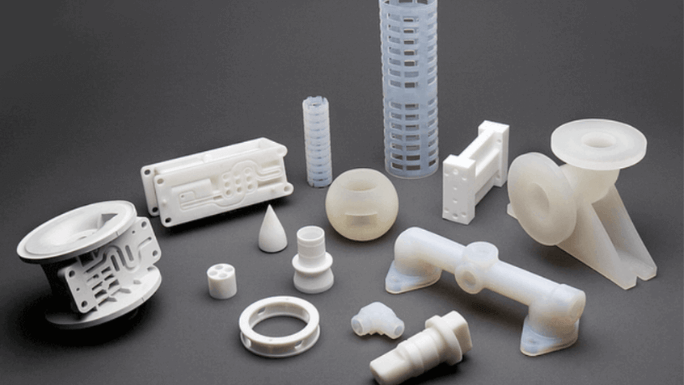
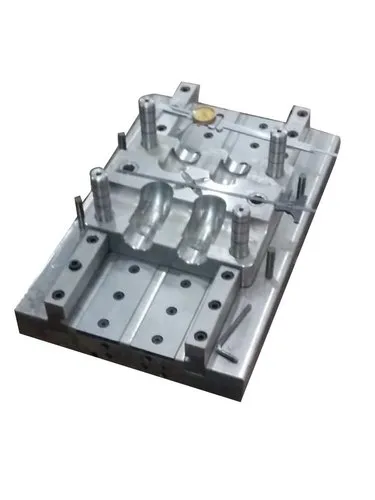
High-speed moulding plays a critical role in the mass production of educational products such as pens, rulers, geometry boxes, markers, whiteboard accessories, laboratory plasticware, and classroom learning aids. As demand for cost-effective, high-quality educational supplies continues to grow, manufacturers rely on high-speed injection moulding to achieve consistent output, tight tolerances, and reduced cycle times without compromising product quality.
What is High-Speed Moulding?
High-speed moulding is an advanced injection moulding process optimized for short cycle times, rapid filling, and high-volume production. It combines precision-engineered moulds, high-performance injection moulding machines, and automated material handling to produce large quantities of parts efficiently.
Importance in Educational Product Manufacturing
Educational products are typically produced in very high volumes and are highly price-sensitive. High-speed moulding enables manufacturers to:
Meet large-scale institutional and retail demand
Maintain uniform quality across millions of parts
Reduce per-unit manufacturing costs
Ensure repeatability and dimensional accuracy
Key Design Features of High-Speed Moulds
Optimized Runner and Gate Design: Ensures fast and balanced cavity filling, minimizing defects such as short shots and weld lines.
Multi-Cavity Configurations: Allows simultaneous production of multiple identical parts, increasing productivity.
Efficient Cooling Systems: Conformal or high-efficiency cooling channels reduce cooling time and overall cycle time.
Durable Tool Steels: High-wear-resistant steels ensure long mould life under continuous high-speed operation.
Precision Venting: Prevents air traps and burn marks during rapid injection.
Suitable Materials for Educational Products
High-speed moulding commonly uses materials that balance durability, safety, and cost, including:
Polypropylene (PP)
Polystyrene (PS)
ABS
Polyethylene (HDPE / LDPE)
Non-toxic and recyclable plastics compliant with safety standards
Automation and Process Control
Automation is essential for high-speed educational product moulding. Robotic part removal, automated inspection, and in-line packaging reduce labor dependency and improve consistency. Advanced process monitoring systems control temperature, pressure, and injection speed to maintain stable production even at very high output rates.
Quality and Safety Considerations
Educational products must meet strict quality and safety requirements, especially for use by children. High-speed moulding processes are designed to:
Eliminate sharp edges and flash
Maintain consistent wall thickness
Ensure material purity and color consistency
Support compliance with child-safety and environmental regulations
Benefits of High-Speed Moulding for Educational Products
High productivity: Short cycle times enable millions of parts per year
Cost efficiency: Lower manufacturing cost per component
Consistent quality: Minimal variation between parts
Scalability: Easy adaptation for seasonal or bulk demand
Sustainability: Optimized material usage and reduced waste
Applications
High-speed moulding is widely used for producing:
Writing instruments and stationery components
Classroom tools and accessories
Plastic lab and science kits
Educational toys and learning aids
Storage and organization products for schools
Conclusion
High-speed moulding is a cornerstone technology for educational product production, enabling manufacturers to deliver safe, durable, and affordable products at scale. By combining advanced mould design, automation, and precise process control, high-speed moulding ensures reliable quality while meeting the economic demands of the education sector.