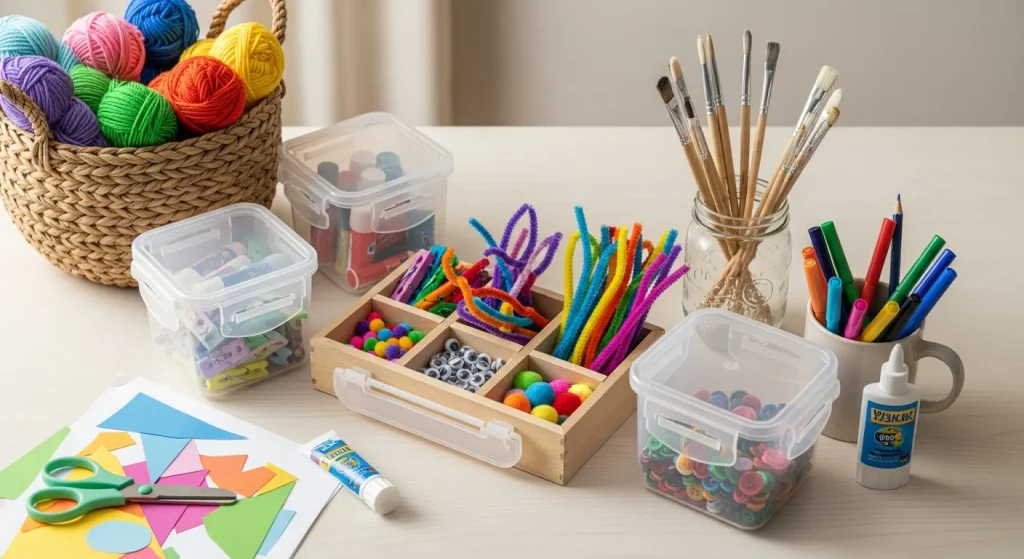
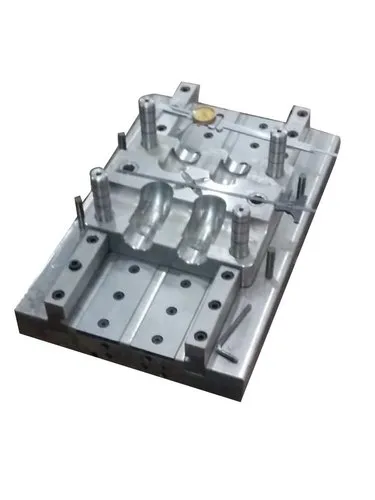
Textured and decorative finishes play a vital role in enhancing the visual appeal, functionality, and brand value of stationery products. From notebooks and folders to pen stands and organizers, these finishes transform simple items into attractive, market-ready products that stand out in competitive retail environments.
1. Importance of Textured and Decorative Finishes
- Aesthetic Appeal: Unique textures and finishes make stationery items visually attractive and appealing to customers.
- Brand Differentiation: Custom designs, logos, and patterns help brands establish a distinct identity.
- Enhanced Grip and Usability: Textured surfaces improve handling, especially for frequently used items like pens, rulers, and boxes.
- Premium Perception: High-quality finishes give products a more sophisticated and premium look.
2. Types of Textured Finishes
a. Matte and Gloss Finishes
- Matte Finish: Provides a smooth, non-reflective surface with a subtle and elegant look.
- Gloss Finish: Offers a shiny, reflective surface that enhances colors and gives a vibrant appearance.
b. Embossed and Debossed Textures
- Embossing: Raised patterns or logos that create a tactile experience.
- Debossing: Indented designs that give a refined and professional look.
c. Grain and Pattern Textures
- Leather-like, wood grain, or geometric patterns are commonly used to add a premium feel.
- These textures are often directly incorporated into mould surfaces during manufacturing.
d. Soft-Touch Finish
- Provides a velvety, rubber-like feel.
- Common in premium stationery items such as organizers and pen cases.
e. Anti-Slip Textures
- Functional textures designed to improve grip and prevent slipping.
- Widely used in pen holders, desk organizers, and utility boxes.
3. Decorative Finishing Techniques
a. In-Mould Texturing (IMT)
- Texture is created directly on the mould surface using etching or laser engraving.
- Ensures long-lasting and consistent finishes across high-volume production.
b. Printing and Graphics
- Techniques such as pad printing, screen printing, and digital printing are used to add logos, artwork, and branding elements.
c. Hot Stamping and Foil Printing
- Metallic or colored foils are applied using heat and pressure.
- Adds a premium and eye-catching effect.
d. UV Coating
- A protective layer that enhances durability and provides either matte or glossy effects.
- Improves resistance to scratches and wear.
e. Hydrographic Printing
- Also known as water transfer printing, used for complex and multi-color patterns.
4. Materials and Compatibility
- Plastic (ABS, PP, PS): Easily adaptable to various textures and finishes.
- Metal Components: Can be polished, brushed, or coated for decorative appeal.
- Paper-Based Products: Often combined with lamination, embossing, or varnishing techniques.
5. Role of Mould Design in Finishing
- Precision mould design ensures accurate reproduction of textures.
- Surface treatments like chemical etching and laser texturing are used to create detailed patterns.
- Proper draft angles and polishing techniques are essential to maintain texture quality during production.
6. Trends in Decorative Finishes
- Eco-Friendly Finishes: Use of sustainable coatings and recyclable materials.
- Minimalist Designs: Clean, subtle textures with soft colors.
- Custom Personalization: Increasing demand for customized names, logos, and designs.
- Smart Finishes: Anti-bacterial coatings and fingerprint-resistant surfaces.
7. Challenges and Considerations
- Maintaining consistency in large-scale production.
- Balancing cost with design complexity.
- Ensuring durability without compromising aesthetics.
- Compatibility of finishes with different materials and manufacturing processes.
Conclusion
Textured and decorative finishes are essential in modern stationery manufacturing, offering both functional and aesthetic advantages. By combining innovative mould design with advanced finishing techniques, manufacturers can create visually appealing, durable, and high-quality stationery products that meet evolving market demands and customer preferences.