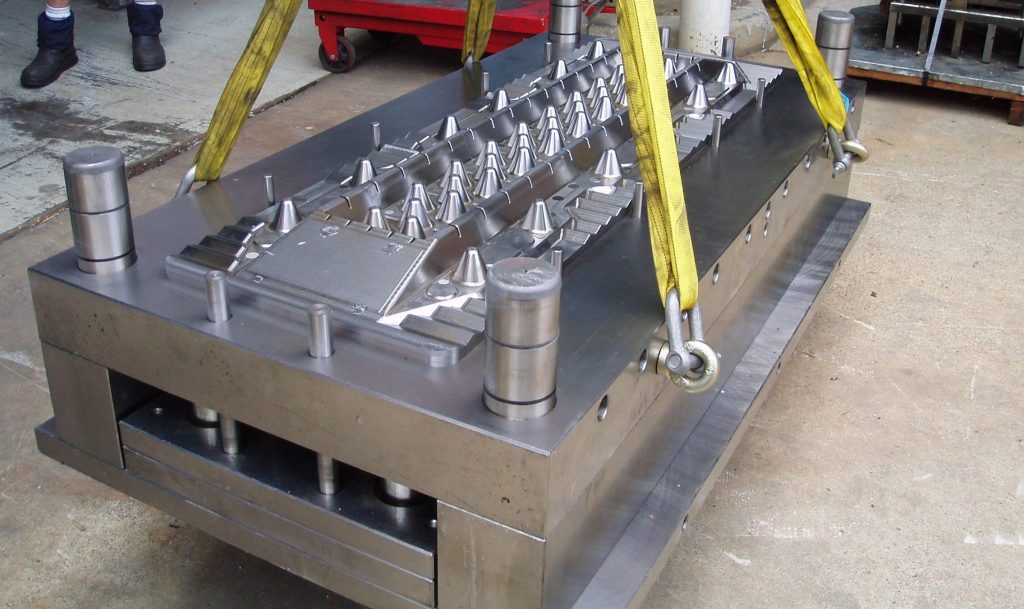
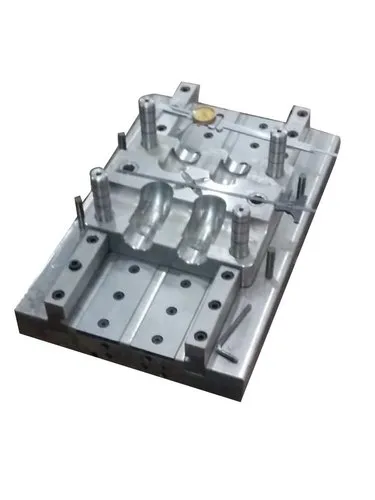
Export-oriented stationery mould manufacturing focuses on designing and producing high-quality moulds for international markets, meeting global standards in quality, safety, cost efficiency, and delivery timelines. With increasing demand for customized and branded stationery products worldwide, manufacturers must align their processes with export requirements and customer expectations.
1. Understanding Global Market Requirements
Export markets such as North America, Europe, and the Middle East have strict expectations regarding:
- Product quality and consistency
- Surface finish and aesthetics
- Compliance with safety regulations
- Eco-friendly materials
Manufacturers must adapt mould designs based on regional preferences, including size standards, ergonomic designs, and packaging compatibility.
2. Compliance with International Standards
Export-oriented moulds must adhere to global certifications and standards such as:
- ISO 9001 (Quality Management Systems)
- ISO 14001 (Environmental Management)
- CE Marking (for European markets)
- REACH and RoHS compliance (for material safety)
Proper documentation, traceability, and validation processes are essential to ensure compliance.
3. Advanced Design and Engineering
To compete globally, mould manufacturers must adopt:
- CAD/CAM/CAE software for precision design
- Simulation tools for flow analysis and defect prediction
- High-precision CNC machining and EDM processes
Design optimization helps reduce cycle time, improve durability, and ensure high-volume production capability.
4. Material Selection for Export Quality
Material choice plays a critical role in mould performance:
- Hardened tool steels for long mould life
- Corrosion-resistant materials for humid environments
- High polishability for aesthetic finishes
Selection depends on the type of stationery product (e.g., pens, rulers, organizers, storage boxes).
5. Cost Competitiveness and Pricing Strategy
Export success depends on balancing quality and cost:
- Efficient design to minimize material usage
- Standardization of components
- Lean manufacturing practices
- Bulk production capabilities
Competitive pricing must also consider logistics, duties, and currency fluctuations.
6. Surface Finish and Aesthetic Requirements
International markets demand premium finishes such as:
- High-gloss or matte textures
- Engraved logos and branding
- Decorative patterns and textures
Moulds must be capable of producing consistent and defect-free finishes.
7. Packaging and Logistics Considerations
Export moulds require:
- Proper packaging to prevent damage during transit
- Rust prevention coatings and vacuum packing
- Clear labeling and documentation
Efficient logistics planning ensures timely delivery and customer satisfaction.
8. Quality Assurance and Inspection
Strict quality control is essential:
- Dimensional inspection using CMM
- Trial runs and sample validation
- Documentation and inspection reports
Pre-dispatch inspection ensures that moulds meet client specifications.
9. After-Sales Support and Customer Service
Providing strong post-sales support is critical in export markets:
- Remote troubleshooting assistance
- Spare parts supply
- Maintenance guidance and training
Building long-term relationships enhances repeat business and brand reputation.
10. Sustainability and Eco-Friendly Practices
Global buyers increasingly prefer sustainable solutions:
- Use of recyclable materials
- Energy-efficient manufacturing processes
- Waste reduction strategies
Eco-conscious manufacturing improves market acceptance and compliance.
Conclusion
Export-oriented stationery mould manufacturing requires a combination of technical excellence, regulatory compliance, cost efficiency, and customer-centric services. By adopting advanced technologies, maintaining global standards, and focusing on sustainability, manufacturers can successfully compete in international markets and establish a strong global presence.