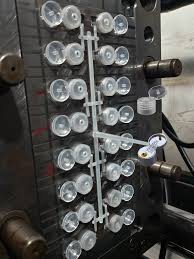
Exporting cosmetic moulds involves compliance with international standards, proper documentation, quality assurance, and efficient logistics. Since cosmetic products are often associated with high aesthetic value and strict regulatory expectations, moulds used in their production must meet global quality benchmarks.
1. Understanding Export Market Requirements
Before exporting cosmetic moulds, manufacturers must analyze the target market:
- Regulatory requirements differ across regions (e.g., Europe, USA, Middle East).
- Customer expectations include high precision, surface finish, and durability.
- Compliance with industry-specific standards is essential for acceptance.
2. Quality Standards and Certifications
Export-quality cosmetic moulds must adhere to international quality norms:
- ISO 9001 – Quality Management System
- ISO 13485 (if applicable for cosmetic-medical crossover products)
- CE Marking (for European markets where applicable)
Key quality aspects:
- High-gloss surface finish (mirror polishing)
- Tight tolerances and dimensional accuracy
- Long mould life and consistent performance
3. Material Selection and Traceability
- Use of high-grade tool steels such as P20, H13, or stainless steel (e.g., 420 grade).
- Material certificates must be provided.
- Full traceability of materials is required for international clients.
4. Design and Technical Documentation
Proper documentation is critical for export:
- 2D drawings and 3D CAD models (STEP, IGES formats)
- Bill of Materials (BOM)
- Cooling layout and gate design details
- Mold flow analysis reports (if required)
Design considerations:
- Multi-cavity moulds for mass production
- Hot runner systems for efficiency
- Easy maintenance and interchangeability of parts
5. Surface Finish and Aesthetic Requirements
Cosmetic products demand superior appearance:
- Mirror polishing (SPI A1/A2 standards)
- Texturing for decorative finishes
- Scratch-free and defect-free cavity surfaces
6. Packaging and Preservation
Export moulds must be protected during transit:
- Anti-rust coating and vacuum packing
- Wooden export crates (fumigated as per ISPM 15 standards)
- Shockproof and moisture-resistant packaging
7. Export Documentation
Essential documents include:
- Commercial Invoice
- Packing List
- Bill of Lading / Airway Bill
- Certificate of Origin
- Insurance Certificate
- Inspection and Quality Reports
Optional (based on client requirements):
- Third-party inspection certificates (SGS, TUV)
- Material test certificates
8. Logistics and Shipping
- Selection of shipping mode (air/sea) based on urgency and cost
- Coordination with freight forwarders
- Proper labeling and handling instructions
9. Compliance with Import Regulations
Each country has specific import rules:
- Customs duties and HS codes
- Compliance with environmental regulations (e.g., REACH, RoHS if applicable)
- Documentation accuracy to avoid delays
10. After-Sales Support and Service
Export success depends on post-delivery support:
- Installation guidance and trial support
- Maintenance manuals
- Availability of spare parts
- Remote troubleshooting and technical assistance
11. Costing and Pricing Strategy
- Include tooling cost, packaging, logistics, and duties
- Currency fluctuation considerations
- Competitive pricing aligned with international standards
12. Risk Management in Export
- Transit damage risk → proper insurance
- Payment risk → use of LC (Letter of Credit) or secure payment terms
- Quality disputes → pre-dispatch inspection and approvals
Conclusion
Exporting cosmetic moulds requires a combination of technical excellence, regulatory compliance, and efficient logistics management. By maintaining high-quality standards, proper documentation, and strong customer support, manufacturers can successfully compete in the global cosmetic tooling market.