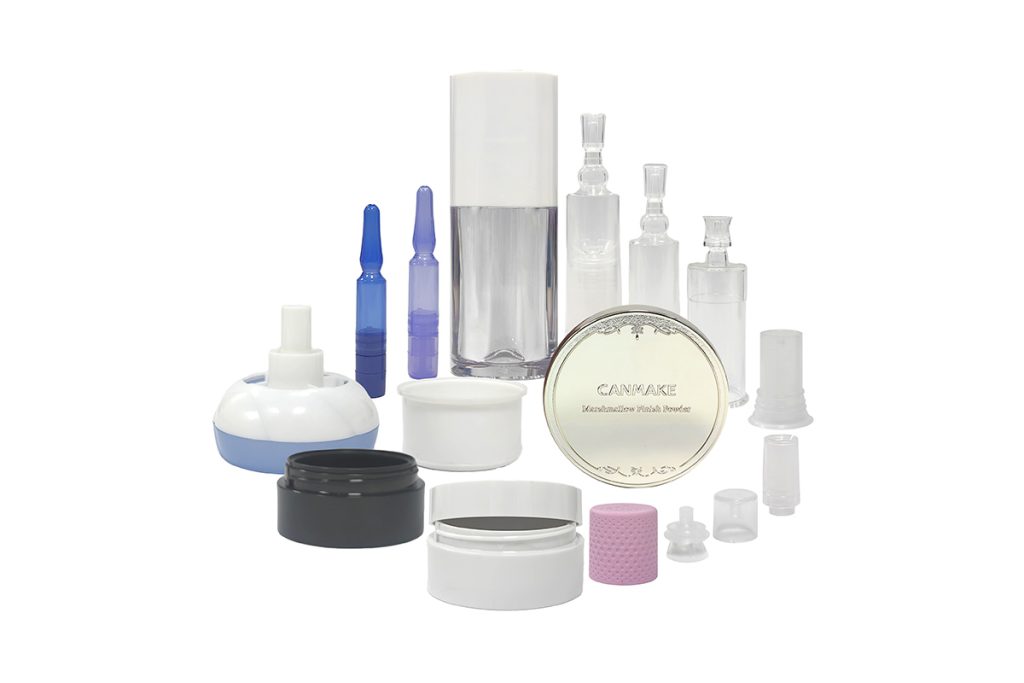
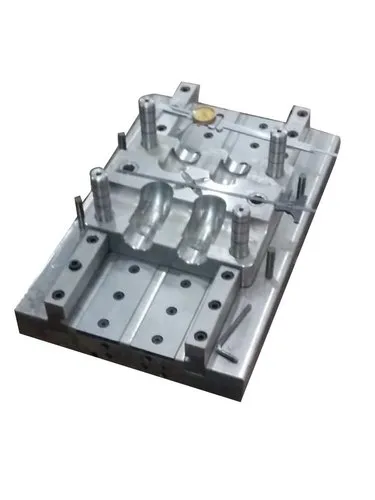
The global cosmetic mould manufacturing industry is experiencing strong growth, driven by the expansion of the beauty and personal care sector, increasing demand for innovative packaging, and advancements in moulding technologies. Cosmetic moulds play a crucial role in producing high-precision packaging components such as lipstick cases, compact containers, jars, and bottles, directly influencing product aesthetics, functionality, and brand value.
1. Market Growth and Demand Drivers
The rising global demand for cosmetics is the primary driver of the cosmetic mould manufacturing market. Increasing consumer awareness about personal grooming, coupled with higher disposable incomes, is boosting the consumption of beauty products across regions.
- The lipstick mould segment alone is projected to grow at around 7% CAGR from 2025 to 2033, reflecting strong demand for color cosmetics.
- Expansion of e-commerce and direct-to-consumer brands is increasing the need for diverse and high-volume mould production.
Additionally, the growth of premium and luxury cosmetics is driving demand for highly detailed and customized mould designs.
2. Shift Toward Customization and Premiumization
Cosmetic brands are increasingly focusing on product differentiation through unique packaging designs. This has led to:
- High demand for custom moulds with intricate shapes, textures, and branding elements
- Growth in short production runs for niche and indie brands
- Increased use of multi-cavity and modular mould systems
Manufacturers are investing in advanced design capabilities to meet the needs of personalized and luxury packaging solutions.
3. Technological Advancements in Mould Manufacturing
Technology is transforming cosmetic mould production, improving efficiency, precision, and scalability.
Key innovations include:
- CNC machining and high-speed milling for precision mould making
- 3D printing and rapid prototyping for faster development cycles
- Automation and robotics to reduce labor dependency and improve consistency
- Advanced cooling systems for higher production efficiency and reduced cycle time
These advancements enable manufacturers to produce complex moulds with shorter lead times and lower defect rates.
4. Growing Focus on Sustainability
Sustainability is becoming a key trend influencing cosmetic mould manufacturing.
- Increasing adoption of recyclable and biodegradable materials
- Rising demand for moulds compatible with recycled plastics (rPET)
- Development of lightweight packaging moulds to reduce material usage
Brands are pushing mould manufacturers to design eco-friendly solutions that align with global environmental regulations and consumer expectations.
5. Regional Market Dynamics
Asia-Pacific Dominance
- Countries like China, South Korea, and India are major manufacturing hubs
- Approximately 60% of production is concentrated in East Asia due to cost advantages and established supply chains
Europe and North America
- Focus on high-quality, precision moulds
- Strong demand from premium and luxury cosmetic brands
Emerging Markets
- Rapid growth in Latin America, Africa, and Southeast Asia
- Increasing local manufacturing and consumption of cosmetics
6. Integration with Cosmetic Packaging Trends
The evolution of cosmetic packaging is directly impacting mould design:
- Demand for ergonomic and user-friendly packaging
- Growth of airless pumps, refillable containers, and travel-friendly designs
- Increased use of decorative finishes, embossing, and branding elements
Mould manufacturers must continuously innovate to support these packaging trends.
7. Challenges in the Industry
Despite strong growth, the industry faces several challenges:
- Fluctuating raw material costs affecting profitability
- Strict regulatory requirements for cosmetic-grade materials
- High initial investment in advanced machinery and technology
- Supply chain disruptions impacting production timelines
8. Future Outlook
The future of cosmetic mould manufacturing is highly promising, with trends pointing toward:
- Increased digitalization and smart manufacturing
- Expansion of AI-driven design and defect detection systems
- Growth in sustainable and circular packaging solutions
- Rising demand for high-speed, multi-cavity moulds for mass production
As the global beauty industry continues to evolve, mould manufacturers that focus on innovation, customization, and sustainability will gain a competitive edge.
Conclusion
Global market trends in cosmetic mould manufacturing are shaped by the convergence of consumer demand, technological advancements, and sustainability requirements. The industry is transitioning from traditional mass production to a more flexible, innovation-driven model that supports customization, efficiency, and eco-friendly practices. Companies that adapt to these trends will be well-positioned to capitalize on the growing global cosmetics market.