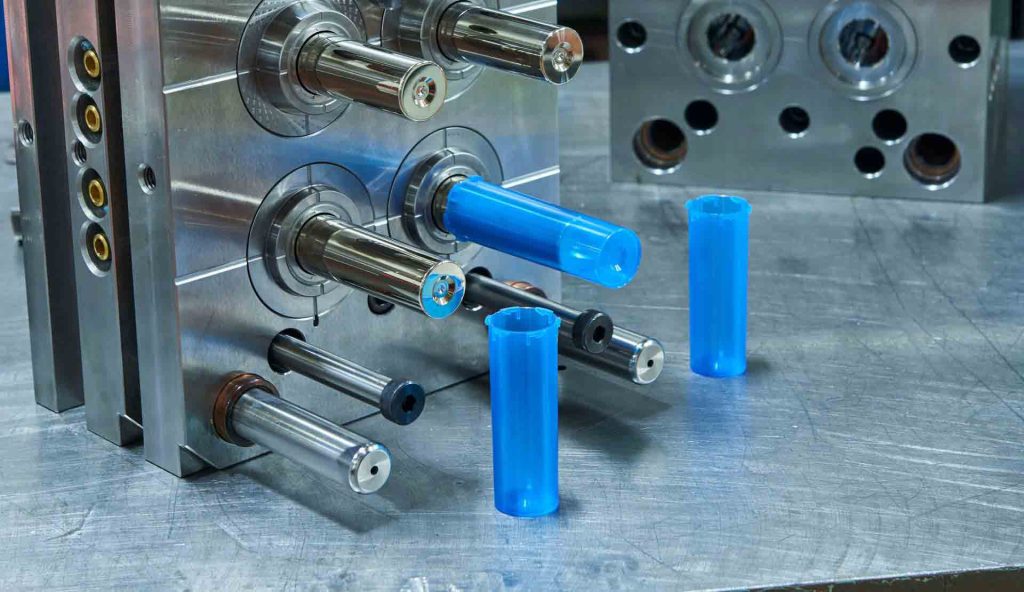
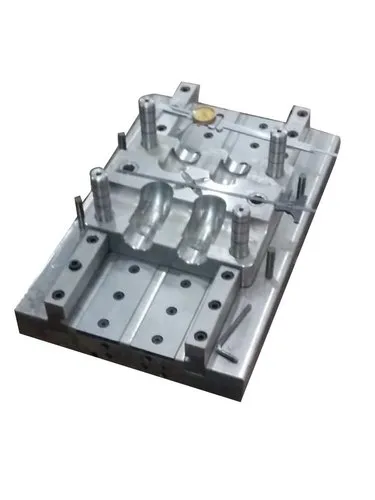
In the highly competitive cosmetic industry, product aesthetics, precision, and speed-to-market are critical. The design and manufacturing of moulds for cosmetic products such as lipstick cases, compact powder boxes, caps, and containers demand exceptional accuracy and surface finish. CAD (Computer-Aided Design) and CAM (Computer-Aided Manufacturing) software play a vital role in achieving these objectives by streamlining design, simulation, and production processes.
1. Product Design and Visualization
CAD software enables designers to create detailed 2D and 3D models of cosmetic components with high precision.
- Development of complex geometries and intricate shapes
- Easy modification and customization of designs
- Realistic rendering for aesthetic evaluation
- Visualization of textures, logos, and decorative features
This helps in ensuring that the final product meets both functional and visual requirements.
2. Mould Design Accuracy and Complexity Handling
Cosmetic moulds often involve intricate features such as thin walls, snap fits, threads, and fine textures.
- Creation of core and cavity designs with high accuracy
- Design of multi-cavity moulds for mass production
- Integration of sliders, lifters, and unscrewing mechanisms
- Precise tolerance management
CAD software minimizes design errors and ensures manufacturability.
3. Simulation and Analysis
Advanced CAD tools allow simulation of moulding processes before actual manufacturing.
- Mold flow analysis to predict material behavior
- Identification of defects like air traps, weld lines, and shrinkage
- Optimization of gate location and cooling channels
- Reduction of trial-and-error during production
This leads to improved product quality and reduced development time.
4. Toolpath Generation and CNC Machining
CAM software converts CAD models into machine instructions for manufacturing.
- Generation of efficient toolpaths for CNC machines
- High-speed machining (HSM) for complex mould surfaces
- Optimization of cutting parameters (speed, feed, depth)
- Reduction in machining time and tool wear
This ensures precise and efficient production of mould components.
5. Surface Finish and Aesthetic Quality
Cosmetic products require premium surface finishes for visual appeal.
- CAD/CAM enables smooth surface generation and polishing paths
- Support for texturing and engraving (logos, patterns)
- High-quality finishing for mirror-like surfaces
This is crucial for branding and customer satisfaction in cosmetic packaging.
6. Design Automation and Standardization
Modern CAD/CAM systems support automation features.
- Use of standard mould base libraries
- Automated design of runners, gates, and cooling systems
- Reusable templates for similar products
- Reduction in design cycle time
This improves efficiency and consistency across projects.
7. Integration with Advanced Technologies
CAD/CAM software integrates with emerging manufacturing technologies.
- Compatibility with CNC machining, 3D printing, and rapid prototyping
- Support for Industry 4.0 and digital manufacturing
- Data integration with PLM (Product Lifecycle Management) systems
This enhances flexibility and innovation in mould development.
8. Cost and Lead Time Reduction
By optimizing design and manufacturing processes:
- Reduction in design errors and rework
- Faster product development cycles
- Efficient material utilization
- Lower overall production costs
This helps companies stay competitive in the fast-moving cosmetic market.
9. Collaboration and Data Management
CAD/CAM tools facilitate teamwork and data sharing.
- Easy sharing of design files among teams
- Version control and design tracking
- Collaboration between designers, engineers, and manufacturers
This ensures smooth project execution and better communication.
Conclusion
CAD/CAM software has become an indispensable tool in cosmetic mould design, enabling high precision, superior aesthetics, and faster production. By integrating design, simulation, and manufacturing processes, these technologies significantly enhance product quality while reducing costs and lead times. As the cosmetic industry continues to evolve, the role of CAD/CAM will further expand with advancements in automation, AI, and digital manufacturing.