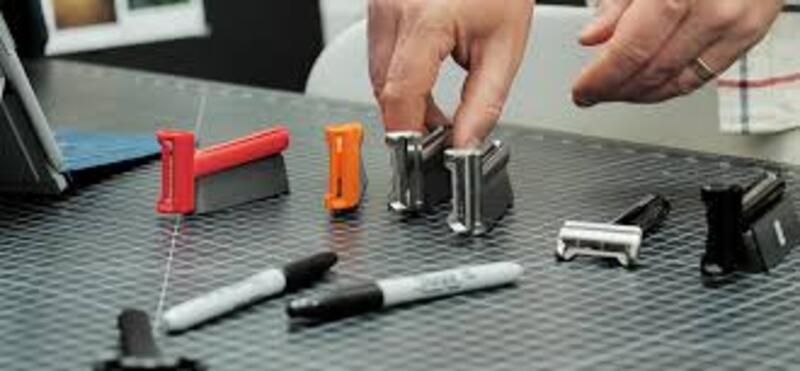
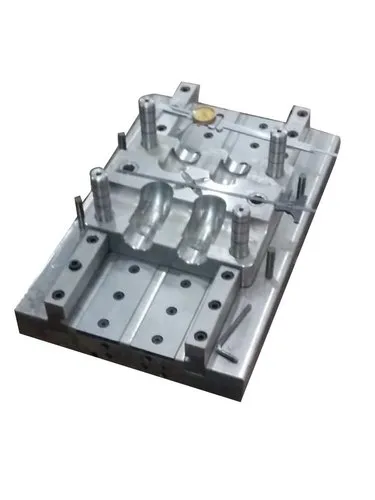
Rapid prototyping has become a vital tool in stationery product development, enabling manufacturers to quickly transform ideas into physical models. In a highly competitive market where design, functionality, and cost efficiency are critical, rapid prototyping helps reduce development time, improve product quality, and accelerate time-to-market.
What is Rapid Prototyping?
Rapid prototyping refers to a group of techniques used to fabricate a physical part or model directly from CAD data. It allows designers and engineers to visualize, test, and refine designs before committing to full-scale production.
Importance in Stationery Product Development
In the stationery industry—covering products like pens, rulers, sharpeners, folders, and educational kits—rapid prototyping offers several advantages:
- Faster Design Validation: Quickly test ergonomics, dimensions, and usability.
- Cost Reduction: Identify design flaws early, avoiding costly tooling modifications.
- Customization: Easily modify designs for different markets or branding needs.
- Improved Innovation: Encourages experimentation with new shapes, textures, and features.
Common Rapid Prototyping Techniques
1. 3D Printing (Additive Manufacturing)
- Widely used for creating complex geometries.
- Suitable for prototypes of pen bodies, clips, and intricate stationery components.
- Materials: PLA, ABS, resin, nylon.
2. CNC Machining
- Provides high precision and better surface finish.
- Ideal for functional prototypes and testing mechanical properties.
3. Vacuum Casting
- Used for small batch production.
- Suitable for simulating final production materials like rubber or soft plastics.
4. Laser Cutting & Engraving
- Useful for flat stationery items like rulers, stencils, and templates.
- Enables quick customization and branding.
Role of CAD/CAM in Rapid Prototyping
CAD/CAM software plays a crucial role by:
- Creating accurate 3D models of stationery products
- Enabling quick design modifications
- Integrating with prototyping machines for seamless production
- Simulating product performance before physical prototyping
Materials Used in Prototyping
Selection of materials depends on the application:
- Plastics (ABS, PP, PLA) – for general stationery items
- Elastomers – for grips and flexible parts
- Resins – for high-detail prototypes
- Metals (Aluminum, Steel) – for functional testing or mould inserts
Applications in Stationery Products
- Pen and Pencil Development: Testing grip design, ink flow mechanisms, and aesthetics
- Erasers and Sharpeners: Evaluating usability and safety
- Rulers and Geometry Boxes: Ensuring dimensional accuracy
- Educational Kits: Validating assembly and child safety features
- Office Accessories: Prototyping organizers, clips, and holders
Benefits of Rapid Prototyping
- Reduced product development cycle
- Enhanced design accuracy
- Early detection of defects
- Better communication between design and manufacturing teams
- Increased customer satisfaction through early feedback
Challenges
- Limited material properties compared to final production materials
- Initial investment in equipment and software
- Surface finish limitations in some 3D printing methods
- Need for skilled operators and designers
Future Trends
- Integration of AI-driven design optimization
- Increased use of multi-material 3D printing
- Adoption of sustainable and biodegradable materials
- Faster and more precise prototyping technologies
- Digital prototyping and virtual simulation advancements
Conclusion
Rapid prototyping is transforming stationery product development by enabling faster innovation, reducing costs, and improving product quality. By integrating advanced technologies like 3D printing and CAD/CAM systems, manufacturers can stay competitive and meet evolving customer demands efficiently.