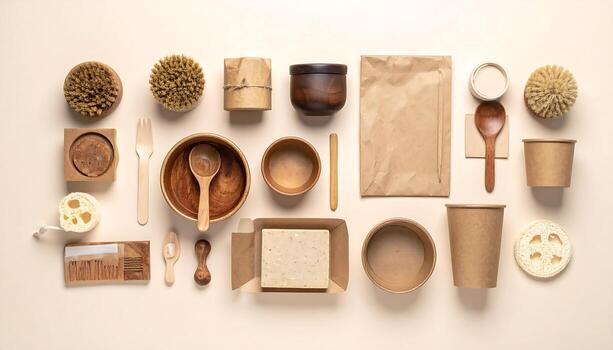
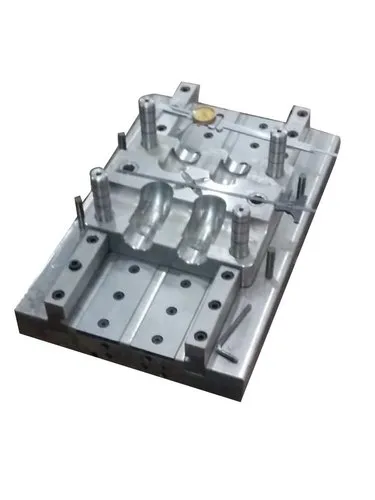
The growing emphasis on sustainability has significantly influenced manufacturing industries, including plastics and mould-based production. The use of bio-based and recyclable materials is becoming a key strategy for reducing environmental impact while maintaining product performance and cost efficiency.
1. Understanding Bio-Based Materials
Bio-based materials are derived from renewable biological sources such as plants, agricultural waste, or microorganisms instead of fossil fuels. These materials help reduce dependency on petroleum-based plastics and lower carbon emissions.
Common Bio-Based Polymers:
- PLA (Polylactic Acid): Derived from corn starch or sugarcane; widely used in packaging and disposable products.
- PHA (Polyhydroxyalkanoates): Biodegradable polymers produced by bacterial fermentation.
- Bio-based Polyethylene (Bio-PE): Made from ethanol (e.g., sugarcane) but retains properties similar to conventional PE.
- Starch Blends: Used in low-load applications and packaging materials.
Benefits:
- Renewable and sustainable sourcing
- Reduced carbon footprint
- Compatibility with existing moulding processes (in many cases)
- Growing consumer preference for eco-friendly products
2. Recyclable Materials in Manufacturing
Recyclable materials are those that can be reprocessed and reused after their initial lifecycle. In mould manufacturing, the focus is on selecting polymers that maintain properties after recycling.
Common Recyclable Plastics:
- PET (Polyethylene Terephthalate): Used in bottles and packaging
- HDPE (High-Density Polyethylene): Durable and widely recycled
- PP (Polypropylene): Common in automotive and consumer goods
- ABS (Acrylonitrile Butadiene Styrene): Used in durable applications
Types of Recycling:
- Mechanical Recycling: Re-melting and reshaping plastic waste
- Chemical Recycling: Breaking polymers into monomers for reuse
- Closed-Loop Recycling: Reusing material in the same product cycle
3. Role in Mould Design and Manufacturing
Integrating bio-based and recyclable materials requires adjustments in mould design and processing:
- Material Behavior: Bio-based plastics may have different shrinkage rates, ताप resistance, and flow characteristics
- Mould Venting and Cooling: Adjustments are needed to accommodate material sensitivity
- Tooling Compatibility: Some materials may cause higher wear or require specific coatings
- Cycle Time Optimization: Certain eco-materials may require modified processing conditions
4. Applications Across Industries
Packaging:
- Compostable containers, bottles, and caps
- Recyclable thin-wall packaging
Medical:
- Single-use biodegradable components (where regulations allow)
Stationery:
- Eco-friendly pens, rulers, and office supplies
Automotive & Consumer Goods:
- Interior components using recycled plastics
- Sustainable product housings
5. Challenges and Limitations
- Cost Factors: Bio-based materials can be more expensive than conventional plastics
- Performance Constraints: Some may have lower heat resistance or durability
- Recycling Infrastructure: Limited facilities in certain regions
- Material Consistency: Variability in raw material quality
6. Future Trends
- Development of advanced bio-polymers with improved strength and thermal properties
- Increased use of post-consumer recycled (PCR) plastics
- Adoption of circular economy models in manufacturing
- Integration of smart material tracking systems for recycling efficiency
Conclusion
The use of bio-based and recyclable materials is no longer optional but a strategic necessity for modern manufacturing. By integrating these materials into mould design and production processes, companies can reduce environmental impact, comply with global regulations, and meet the rising demand for sustainable products. While challenges remain, ongoing innovation and improved infrastructure are paving the way for wider adoption and long-term benefits.