Exporting medical moulds and finished medical devices requires strict adherence to international regulations, quality standards, and documentation practices. Compliance ensures product safety, smooth customs clearance, and access to global markets.
1. Regulatory Framework
Medical devices are highly regulated across different countries. Exporters must comply with the regulatory requirements of both the exporting and importing countries.
- In India, exports are governed by the Central Drugs Standard Control Organization (CDSCO).
- For the United States, compliance with the Food and Drug Administration (FDA) is mandatory.
- In Europe, devices must meet the requirements of the Medical Device Regulation.
- Other markets may require approvals from authorities like Health Canada or Therapeutic Goods Administration.
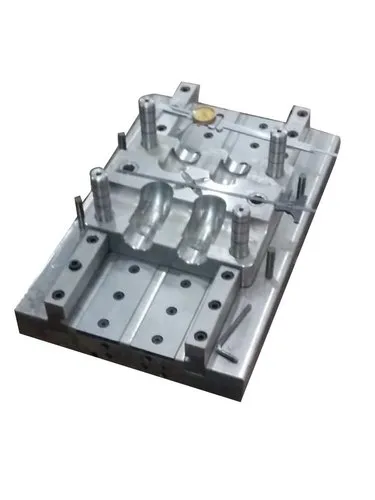
For medical moulds (used to manufacture devices), compliance may focus more on quality systems rather than direct regulatory approval unless the mould is considered part of the validated production process.
2. Quality Management Systems
A robust quality management system is essential for export compliance:
- Certification to ISO 13485 is widely required.
- Compliance with ISO 9001 supports consistent production.
- Good Manufacturing Practices (GMP) ensure product safety and traceability.
Documentation must include:
- Design and development records
- Validation and verification reports
- Risk management files
- Traceability records
3. Product Classification and Registration
Medical devices are classified based on risk (Class I, II, III, etc.), which determines the level of regulatory scrutiny.
- Exporters must correctly classify their product as per destination country rules.
- Registration or approval may include:
- Device Master File (DMF)
- Technical File or Design Dossier
- Clinical evaluation data (if required)
For moulds, validation documentation proving consistent production of compliant parts is critical.
4. Documentation and Export Paperwork
Accurate documentation is essential for customs clearance and regulatory approval:
- Commercial Invoice and Packing List
- Certificate of Origin
- Bill of Lading / Airway Bill
- Declaration of Conformity (DoC)
- CE Marking (for EU markets)
- Free Sale Certificate
Additional documents may include:
- Sterilization certificates
- Material safety data sheets (MSDS)
- Test and inspection reports
5. Packaging and Labeling Compliance
Medical devices must meet strict labeling and packaging requirements:
- Labels must include product details, batch number, manufacturing date, and expiry date
- Instructions for Use (IFU) must be provided in required languages
- Packaging must ensure sterility (if applicable) and protection during transit
Compliance with standards like ISO 11607 is often necessary.
6. Export Control and Trade Regulations
Certain materials, technologies, or devices may fall under export control regulations:
- Compliance with India’s Directorate General of Foreign Trade (DGFT) policies
- Adherence to international trade agreements and sanctions
- Proper HS code classification for customs
Exporters must ensure that their products are not restricted or require special licenses.
7. Validation and Process Control for Moulds
For medical moulds, compliance focuses on manufacturing reliability:
- Installation Qualification (IQ), Operational Qualification (OQ), and Performance Qualification (PQ)
- Process validation to ensure consistent part quality
- Maintenance and calibration records
These are critical when moulds are used to produce regulated medical components.
8. Traceability and Post-Market Surveillance
Traceability is crucial for recalls and regulatory compliance:
- Unique Device Identification (UDI) systems
- Batch and lot traceability
- Complaint handling and corrective action systems
Post-market surveillance ensures continuous compliance after export.
9. Risk Management and Safety Standards
Risk management is a core requirement:
- Compliance with ISO 14971
- Hazard analysis and mitigation planning
- Biocompatibility testing (if applicable)
10. Challenges in Export Compliance
- Varying regulatory requirements across countries
- Frequent updates in international standards
- High cost of certification and testing
- Documentation complexity and audits
Conclusion
Export compliance for medical moulds and devices is a multidisciplinary process involving regulatory knowledge, quality assurance, documentation, and process validation. Companies that implement strong quality systems, maintain thorough documentation, and stay updated with global regulations can successfully expand into international markets while ensuring patient safety and product reliability.