The stationery manufacturing industry is undergoing a significant transformation driven by digitalization, automation, and Industry 4.0 technologies. As demand for high-quality, cost-effective, and innovative stationery products continues to grow, manufacturers are increasingly adopting smart moulds and digital manufacturing solutions to enhance productivity, reduce defects, and improve operational efficiency.
From pens, markers, rulers, sharpeners, and office accessories to educational products, modern moulding technologies are enabling manufacturers to achieve higher precision, faster production cycles, and real-time process monitoring.
What is Digitalization in Mould Manufacturing?
Digitalization refers to the integration of digital technologies throughout the mould design, manufacturing, and production lifecycle. It involves the use of:
- Computer-Aided Design (CAD)
- Computer-Aided Manufacturing (CAM)
- Computer Numerical Control (CNC) machining
- Simulation software
- Industrial Internet of Things (IIoT)
- Artificial Intelligence (AI)
- Cloud-based production monitoring systems
- Digital quality control and inspection tools
These technologies help manufacturers optimize mould performance, reduce downtime, and make data-driven decisions.
Understanding Smart Moulds
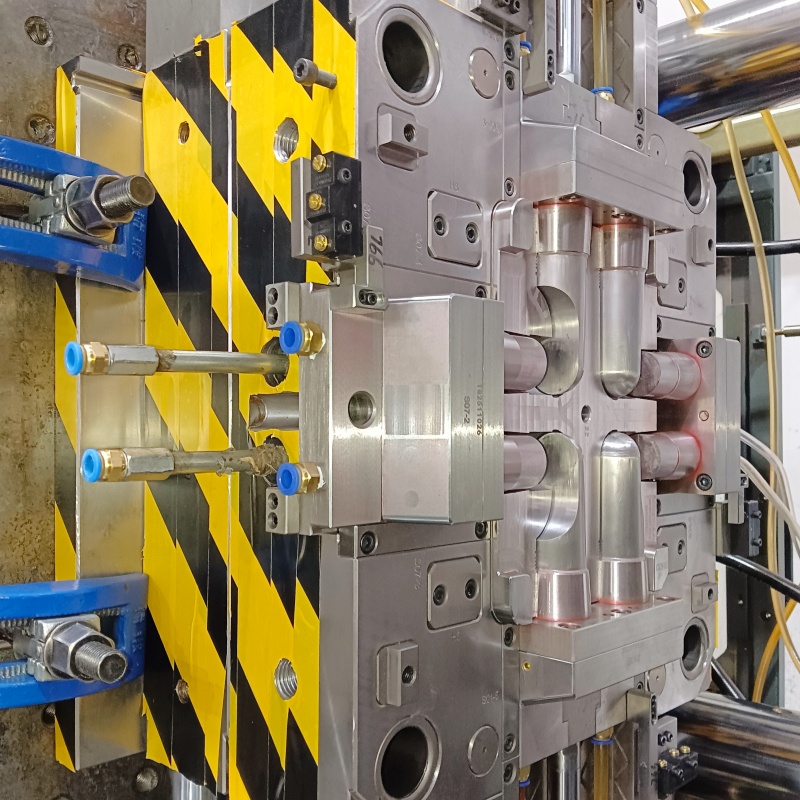
Smart moulds are advanced injection moulds equipped with sensors, monitoring devices, and communication systems that collect and transmit real-time production data.
These moulds can monitor critical parameters such as:
- Temperature
- Pressure
- Flow rate
- Cooling efficiency
- Cycle time
- Cavity balance
- Part quality indicators
The collected data is analyzed to improve mould performance and ensure consistent product quality.
Benefits of Smart Moulds in Stationery Manufacturing
1. Enhanced Product Quality
Stationery products often require high dimensional accuracy and excellent surface finish. Smart moulds continuously monitor process conditions, helping manufacturers maintain consistent quality and minimize defects such as:
- Flash
- Sink marks
- Warpage
- Short shots
- Surface imperfections
2. Reduced Production Downtime
Predictive maintenance capabilities allow manufacturers to identify wear and tear before a breakdown occurs. Real-time alerts help maintenance teams take corrective action, reducing unexpected machine stoppages.
3. Faster Production Cycles
Advanced monitoring systems optimize cooling and injection parameters, resulting in shorter cycle times and increased production output.
4. Improved Traceability
Digital systems record every production parameter, making it easier to trace product batches and maintain compliance with quality standards.
5. Lower Manufacturing Costs
By reducing scrap rates, minimizing rework, and optimizing machine utilization, smart moulds contribute significantly to cost savings.
Role of Industry 4.0 in Stationery Production
Industry 4.0 technologies are revolutionizing the stationery manufacturing sector through:
Real-Time Data Monitoring
Manufacturers can track machine performance and mould conditions remotely using cloud-connected systems.
Predictive Maintenance
AI-powered analytics predict component failures and maintenance requirements, preventing costly downtime.
Digital Twins
Virtual replicas of moulds allow engineers to simulate production processes, identify potential issues, and optimize mould performance before physical manufacturing.
Automated Quality Control
Machine vision systems inspect stationery products automatically, ensuring high consistency and reducing human error.
Applications in Stationery Products
Smart mould technologies are widely used in manufacturing:
- Ball pens and gel pens
- Marker and highlighter components
- Pencil sharpeners
- Geometry box components
- Plastic rulers
- Correction tape housings
- File clips and office accessories
- Educational toys and learning aids
- Desk organizers
For multi-cavity moulds commonly used in stationery production, smart monitoring systems help maintain cavity balance and uniform product quality.
Digital Design and Simulation
Modern mould makers use advanced simulation software to:
- Analyze material flow
- Predict weld lines
- Optimize gate locations
- Improve cooling channel design
- Reduce cycle times
- Minimize material wastage
Simulation-driven mould development significantly shortens product development cycles and reduces trial costs.
Challenges in Adoption
Despite its advantages, digitalization presents certain challenges:
- High initial investment
- Integration with legacy equipment
- Need for skilled workforce
- Cybersecurity concerns
- Data management complexities
However, long-term productivity gains and operational efficiency often outweigh these challenges.
Future Trends
The future of stationery manufacturing will increasingly involve:
- AI-driven process optimization
- Fully connected smart factories
- Advanced sensor-integrated moulds
- Autonomous quality inspection systems
- Cloud-based manufacturing platforms
- Sustainable and energy-efficient production technologies
Manufacturers that embrace digital transformation and smart mould technologies will gain a competitive advantage through improved quality, faster production, and greater operational flexibility.
Conclusion
Digitalization and smart mould technologies are reshaping the stationery manufacturing industry by enabling intelligent production, enhanced quality control, predictive maintenance, and greater manufacturing efficiency. As Industry 4.0 adoption continues to expand, stationery manufacturers can leverage these innovations to reduce costs, improve product consistency, and meet the growing demands of modern consumers. Investing in smart mould solutions is no longer just an option—it is becoming a strategic necessity for future-ready stationery manufacturing.