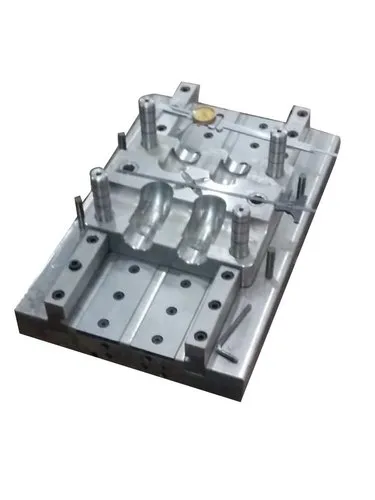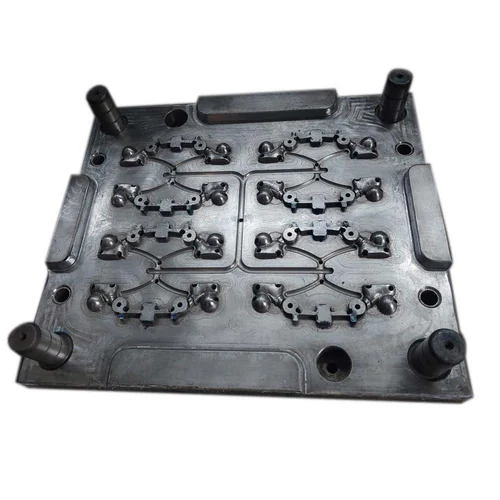
Mold cooling systems play a crucial role in automotive part production, directly impacting the efficiency, quality, and cost-effectiveness of the manufacturing process. Here’s how they affect production:
1. Cycle Time Reduction
- Proper cooling ensures that molten plastic or metal solidifies quickly, reducing the overall cycle time.
- Faster cooling leads to higher production rates and increased efficiency.
2. Dimensional Accuracy & Consistency
- Uniform cooling prevents warping, shrinkage, or deformation of parts.
- This ensures that automotive components meet tight tolerances required for assembly and functionality.
3. Surface Finish & Aesthetic Quality
- Controlled cooling reduces defects such as sink marks, weld lines, or rough surfaces.
- Essential for visible automotive parts like dashboards, trims, and panels.
4. Material Properties & Strength
- Improper cooling can cause internal stresses, affecting the mechanical strength of parts.
- Balanced cooling enhances durability and impact resistance, which is critical for automotive applications.
5. Energy Efficiency & Cost Savings
- Optimized cooling reduces energy consumption by minimizing excessive heating and cooling cycles.
- Reducing cycle time leads to lower operational costs and improved profitability in mass production.
6. Tooling & Mold Longevity
- Uneven or excessive cooling can cause thermal stress on the mold, leading to premature wear and failure.
- Proper cooling design extends mold life, reducing maintenance costs and downtime.
7. Injection Molding Defect Prevention
- Issues like warpage, voids, and sink marks arise due to improper cooling.
- A well-designed cooling system ensures even heat dissipation, minimizing production defects.
8. Custom Cooling Techniques for Automotive Parts
- Conformal Cooling: Uses 3D-printed cooling channels that follow the shape of the part, improving efficiency.
- Baffle and Bubbler Systems: Used in complex molds to enhance cooling where traditional straight channels aren’t possible.
- Chiller Systems: Maintain consistent mold temperatures for high-volume automotive production.
Conclusion
Mold cooling systems are critical in ensuring fast, high-quality, and cost-effective automotive part production. By optimizing cooling channels and using advanced techniques, manufacturers can enhance efficiency, reduce defects, and improve overall product quality.