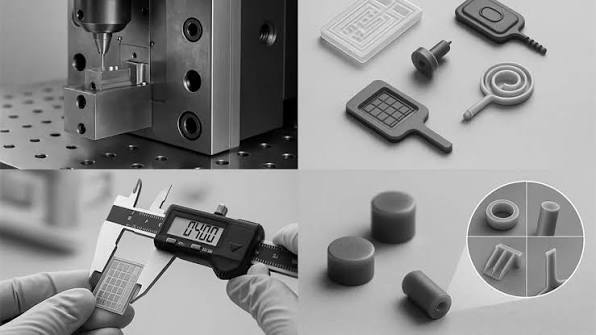
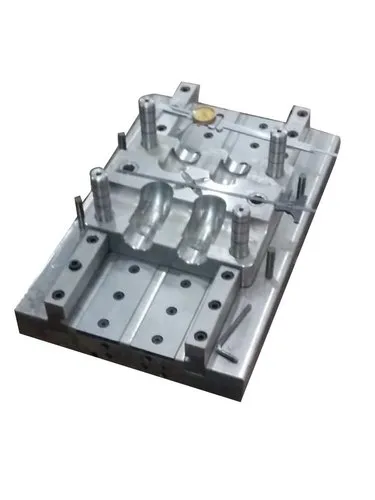
Wearable medical devices have transformed modern healthcare by enabling continuous monitoring, diagnosis, and treatment of patients in real time. Products such as fitness trackers, glucose monitors, cardiac monitoring patches, smart inhalers, hearing aids, and wearable drug-delivery systems require highly precise and reliable components. Moulds play a critical role in manufacturing these devices by ensuring accuracy, consistency, comfort, and compliance with stringent medical standards.
As the demand for personalized and connected healthcare grows, advanced mould technologies are becoming essential for producing innovative wearable medical devices.
Importance of Moulds in Wearable Medical Device Manufacturing
Precision and Accuracy
Wearable medical devices contain miniature components that must fit together perfectly. High-precision moulds ensure dimensional accuracy and reliable device performance.
Patient Comfort
Many wearable devices remain in direct contact with the skin for extended periods. Moulds help create ergonomic shapes and smooth surfaces that enhance user comfort.
Consistent Quality
Medical products require strict quality control. Precision moulds enable mass production of identical components with minimal variation.
Regulatory Compliance
Medical device manufacturers must meet stringent industry regulations. High-quality moulds help achieve the consistency and traceability required for regulatory approval.
Key Features of Wearable Medical Device Moulds
Micro-Precision Engineering
Wearable devices often contain tiny housings, connectors, sensors, and enclosures that require micron-level accuracy.
Complex Geometry Manufacturing
Advanced mould designs allow the production of intricate shapes and lightweight structures needed for compact wearable devices.
Biocompatible Material Processing
Moulds are designed to process medical-grade materials that are safe for skin contact and long-term use.
High Surface Quality
Polished mould cavities produce smooth, defect-free surfaces that improve aesthetics, hygiene, and patient comfort.
Applications of Moulds in Wearable Medical Devices
Continuous Glucose Monitoring (CGM) Systems
Moulds manufacture sensor housings, adhesive holders, and protective covers used in glucose monitoring devices.
Cardiac Monitoring Devices
Precision moulds create components for wearable ECG monitors and heart-rate tracking systems.
Smart Health Patches
Medical patches used for patient monitoring, drug delivery, and biosensing rely on accurately moulded plastic and elastomeric components.
Hearing Aids
Customized moulds are used to produce lightweight and ergonomic hearing aid shells and earpieces.
Smart Inhalers
Injection moulded components ensure accurate medication delivery and device reliability.
Fitness and Health Trackers
Wearable wellness devices require durable, lightweight, and aesthetically appealing moulded housings and straps.
Advanced Moulding Technologies
Micro Injection Moulding
This technology enables the production of extremely small and precise components used in sensors and wearable electronics.
Multi-Shot Moulding
Allows multiple materials to be combined in a single component, integrating rigid structures with soft-touch surfaces.
Insert Moulding
Electronic circuits, sensors, and metal inserts can be encapsulated within plastic parts for enhanced functionality and durability.
Liquid Silicone Rubber (LSR) Moulding
LSR moulding is widely used for wearable medical devices due to its flexibility, biocompatibility, and skin-friendly properties.
Overmoulding Technology
Creates soft, ergonomic outer layers that improve comfort and protection while integrating multiple functions into a single component.
Materials Commonly Used
Wearable medical device moulds process a variety of medical-grade materials, including:
- Medical-grade Silicone
- Liquid Silicone Rubber (LSR)
- Thermoplastic Elastomers (TPE)
- Polycarbonate (PC)
- Polypropylene (PP)
- Acrylonitrile Butadiene Styrene (ABS)
- Polyether Ether Ketone (PEEK)
- Thermoplastic Polyurethane (TPU)
These materials offer durability, flexibility, biocompatibility, and resistance to chemicals and sterilization processes.
Benefits for Manufacturers
- High production efficiency
- Excellent product consistency
- Reduced assembly requirements
- Enhanced patient comfort
- Improved device durability
- Compliance with medical regulations
- Lower manufacturing costs through automation
- Faster product development cycles
Emerging Trends
Miniaturization
As wearable devices become smaller and more sophisticated, moulds must support increasingly precise micro-scale manufacturing.
Personalized Healthcare Devices
Custom-fitted wearable products are driving the adoption of advanced mould customization and rapid tooling solutions.
Smart and Connected Devices
Moulds are being designed to accommodate embedded sensors, wireless communication modules, and flexible electronics.
Sustainable Manufacturing
Manufacturers are exploring recyclable materials, energy-efficient moulding processes, and environmentally responsible production methods.
3D Printed Mould Inserts
Additive manufacturing enables faster prototyping and customized mould solutions for complex wearable medical components.
Challenges in Mould Manufacturing
- Maintaining ultra-high dimensional accuracy
- Processing delicate medical-grade materials
- Integrating electronics within moulded parts
- Meeting strict cleanliness and validation requirements
- Ensuring long-term durability and biocompatibility
Conclusion
Moulds for wearable medical devices are a vital foundation of modern healthcare manufacturing. By enabling the production of precise, comfortable, durable, and biocompatible components, advanced mould technologies support the rapid growth of wearable health monitoring and treatment solutions. As healthcare continues to embrace digitalization, miniaturization, and personalized medicine, innovative mould designs will play an increasingly important role in shaping the future of wearable medical technology.