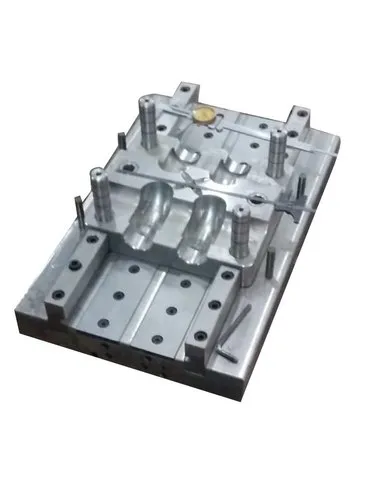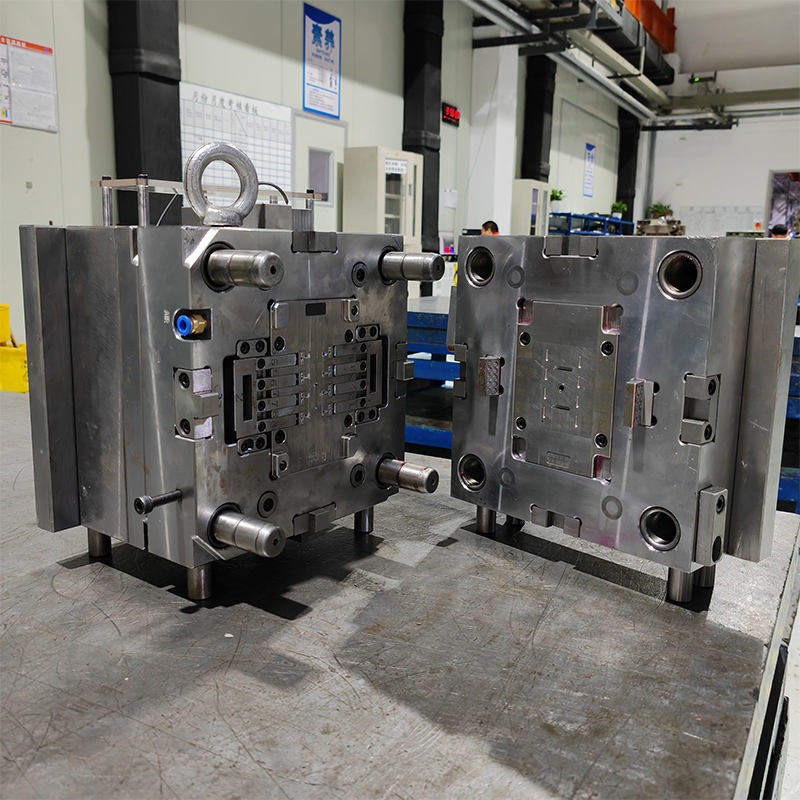
Injection mould design is the process of developing a moulding tool that can reliably produce plastic components with the required geometry, dimensional accuracy, surface finish, and production efficiency. A well-designed injection mould must account for the part design, plastic material, injection process, cooling requirements, ejection, moulding machine, and expected production volume.
An injection mould generally consists of two main sections: the cavity side, which forms the external features of the component, and the core side, which forms internal features. The mould also incorporates systems for material delivery, cooling, venting, and ejection.
Key Elements of Injection Mould Design
- Parting Line: Determines where the mould separates and should be positioned to support easy demoulding and minimize visible parting marks.
- Cavity and Core: Form the external and internal geometry of the plastic component.
- Runner and Gate System: Controls the flow of molten plastic from the injection machine into the mould cavity.
- Cooling System: Removes heat from the moulded component and helps achieve uniform cooling and shorter cycle times.
- Ejection System: Safely removes the solidified component from the mould using ejector pins, sleeves, plates, or other mechanisms.
- Venting: Allows trapped air and gases to escape during filling and helps prevent burns, short shots, and other moulding defects.
- Draft Angles: Provide sufficient taper on suitable surfaces to facilitate smooth component release.
- Mould Base: Provides structural support and houses the cavity, core, guide components, cooling system, and ejection mechanism.
- Guiding and Alignment System: Ensures accurate alignment between the cavity and core during mould closing.
- Material Selection: Mould steels and other materials should be selected according to production volume, plastic type, wear