Author name: admin

Common Defects in Automotive Moulding and Remedies

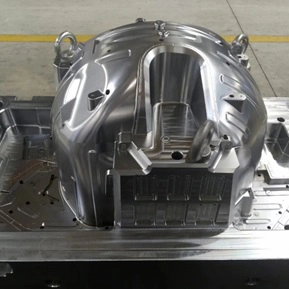
Automotive moulding demands high precision, consistency, and durability. However, defects may arise due to material issues, machine parameters, tooling conditions, or processing errors. Understanding these common defects and their appropriate remedies helps manufacturers reduce waste, improve quality, and enhance production efficiency. 1. Warpage Description: Distortion or bending of moulded parts after cooling.Causes: Uneven cooling rates […]

Common Defects in Automotive Moulding and Remedies Read More »

Top Plastic Furniture Mould Manufacturers Worldwide

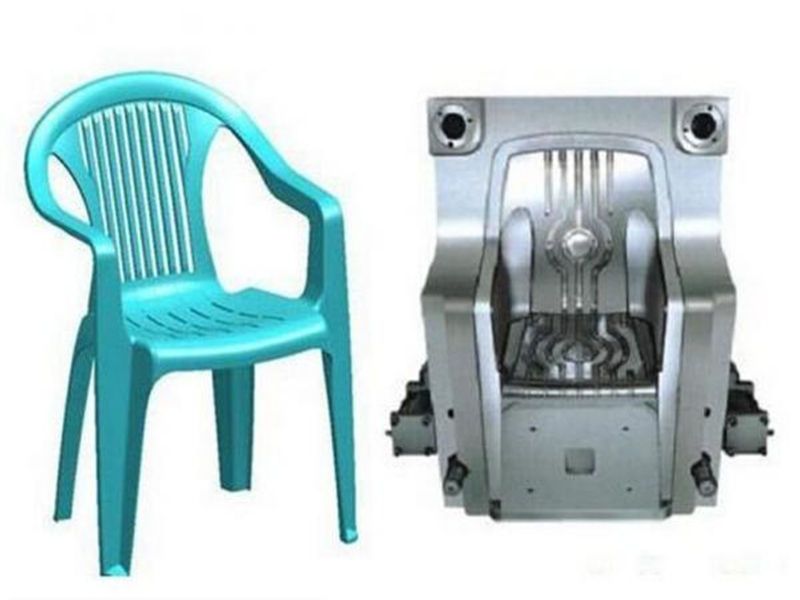
Plastic furniture — chairs, tables, sofas, crates, pallets and more — is often produced through injection moulding. The backbone of that industry is the mould manufacturers: firms that design and build the steel (or alloy) moulds that shape molten plastic into furniture parts. Over time, a handful of companies worldwide have built reputations for high-quality

Top Plastic Furniture Mould Manufacturers Worldwide Read More »

Electrical Testing of Moulded Components

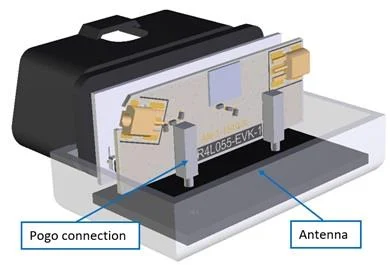
Electrical testing of moulded components is a critical quality assurance process, especially for parts used in automotive, electronics, consumer appliances, medical devices, and industrial equipment. These tests ensure that the component’s insulation, conductivity, strength, and reliability meet required safety standards and functional expectations. 1. Importance of Electrical Testing Moulded components—whether connectors, housings, terminals, or embedded

Electrical Testing of Moulded Components Read More »

Circular Economy and Moulded Auto Components

The automotive industry is undergoing a major transformation driven by sustainability, resource efficiency, and environmental regulations. One of the strongest frameworks supporting this transition is the circular economy, which emphasizes keeping materials in use for as long as possible through reuse, recycling, repair, and responsible design. For manufacturers of moulded automotive components, adopting circular economy

Circular Economy and Moulded Auto Components Read More »

Smart Plastic Furniture: Integration of Technology

Smart plastic furniture represents the future of home and office interiors, combining the durability and versatility of plastic with advanced digital features. As consumers increasingly seek convenience, automation, and modular living solutions, technology-integrated furniture is emerging as a significant trend across residential, commercial, and outdoor environments. 1. Evolution of Plastic Furniture with Smart Features Traditionally

Smart Plastic Furniture: Integration of Technology Read More »

Cleanroom Considerations in Electronic Mould Production

Cleanrooms play a crucial role in electronic mould production, where even microscopic dust, temperature fluctuations, or static charges can affect mould quality and the performance of electronic components. Ensuring a controlled production environment helps manufacturers achieve higher precision, reliability, and consistency. 1. Importance of Cleanrooms in Electronic Mould Production Prevents contamination: Dust, fibres, and airborne

Cleanroom Considerations in Electronic Mould Production Read More »

Sustainable Mould Manufacturing Practices

Sustainable mould manufacturing has become a priority across industries as companies aim to reduce environmental impact, optimise resources, and meet global sustainability standards. By adopting eco-friendly materials, energy-efficient processes, and innovative waste-reduction techniques, mould makers can significantly improve both environmental performance and operational efficiency. 1. Use of Eco-Friendly and Recyclable Materials Sustainability begins with selecting

Sustainable Mould Manufacturing Practices Read More »

Innovation in Lightweight Furniture Moulds

The furniture industry is rapidly moving toward lighter, stronger, and more sustainable solutions, and mould manufacturers play a central role in this transformation. Innovations in lightweight furniture moulds are enabling companies to produce ergonomic, durable, and cost-efficient products while also reducing material usage and environmental impact. From advanced composite moulds to digital manufacturing technologies, several

Innovation in Lightweight Furniture Moulds Read More »

Minimizing E-waste in Mould Manufacturing

As mould manufacturing becomes increasingly automated and digitally integrated, the industry generates a significant amount of electronic waste (e-waste). This includes outdated control panels, sensors, circuit boards, drives, and electronic mould components. Minimizing e-waste is essential not only for reducing environmental impact but also for lowering operational costs and improving sustainability credentials. 1. Designing for

Minimizing E-waste in Mould Manufacturing Read More »

Trends in Lightweight Moulding for Fuel Efficiency

Lightweight moulding has become a key focus across automotive, aerospace, and transportation industries as manufacturers aim to improve fuel efficiency, reduce emissions, and meet stricter global regulations. By using advanced materials and innovative moulding technologies, companies can develop components that are strong, durable, and significantly lighter than traditional metal parts. Below are the major trends

Trends in Lightweight Moulding for Fuel Efficiency Read More »

Scroll to Top