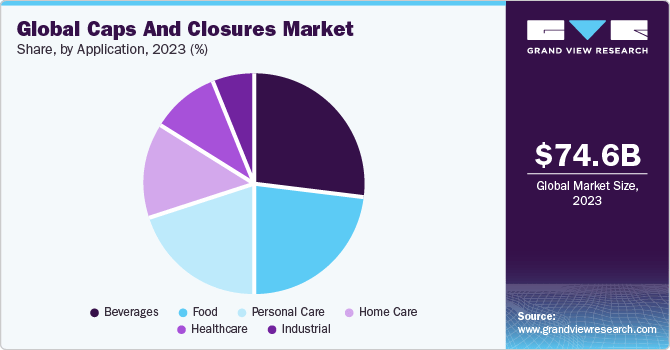
The global closure market is characterized by intense competition, driven by a combination of evolving consumer demands, innovation in packaging technology, and the need for sustainability. This landscape is shaped by several key players, regional dynamics, and strategic activities such as mergers, acquisitions, and product development.
1. Key Market Players
The market is dominated by a mix of global and regional players, with major multinational companies holding significant market shares due to their expansive product portfolios and global reach. Some of the leading players include:
Berry Global Inc.
AptarGroup, Inc.
Amcor plc
Silgan Holdings Inc.
Bericap GmbH & Co. KG
Closure Systems International, Inc.
RPC Group (Now part of Berry Global)
Guala Closures Group
Albéa Group
Mold-Rite Plastics, LLC
These companies compete based on factors such as innovation, quality, pricing, sustainability, and customer service.
2. Product and Technology Innovation
Innovation is a key differentiator in the closure market. Leading companies invest heavily in R&D to develop advanced closures that offer:
Enhanced functionality (e.g., child-resistant, tamper-evident, easy-to-open designs)
Material innovation (e.g., lightweight plastic, recyclable and biodegradable materials)
Smart closures (e.g., QR code integration, anti-counterfeit features)
Sustainability-focused designs that align with circular economy goals
3. Market Segmentation and Customization
The competitive landscape is also segmented based on:
Material Type: Plastic, metal, and others
End-Use Industry: Food & beverages, pharmaceuticals, personal care, household goods
Closure Type: Screw caps, snap-on, push-pull, dispensing closures, etc.
Customization to meet industry-specific requirements has become a key strategy among competitors, especially in highly regulated sectors like pharmaceuticals and food & beverages.
4. Regional Dynamics
While North America and Europe remain mature and innovation-driven markets, Asia-Pacific is emerging as the fastest-growing region due to:
Increasing urbanization
Expanding middle class
Growth in e-commerce and FMCG sectors
Rising demand for convenient and sustainable packaging
Regional players are increasingly gaining prominence by offering cost-competitive solutions and catering to localized needs.
5. Strategic Alliances and M&A Activity
Mergers, acquisitions, and partnerships are common strategies to:
Expand product portfolios
Enter new markets
Enhance manufacturing capabilities
Strengthen R&D capabilities
Example Activities:
Berry Global’s acquisition of RPC Group enhanced its presence in rigid plastic packaging.
AptarGroup’s investments in digital health and connected packaging illustrate diversification strategies.
6. Challenges and Competitive Pressures
Raw material price volatility impacts cost structures and pricing strategies.
Sustainability mandates are pressuring firms to invest in greener alternatives.
Regulatory compliance is increasing, particularly for closures used in food and pharma.
Private label and local manufacturers offer pricing pressure in emerging economies.
Conclusion
The competitive landscape in the global closure market is dynamic and increasingly driven by innovation, sustainability, and strategic collaborations. As consumer and regulatory demands evolve, companies that can deliver functional, sustainable, and cost-effective closure solutions will remain at the forefront of the market.