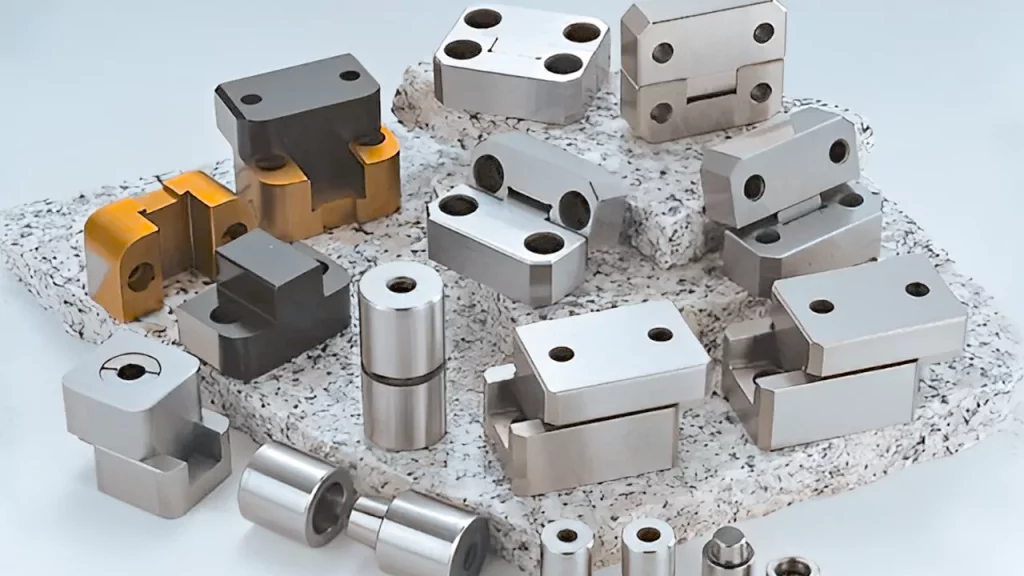
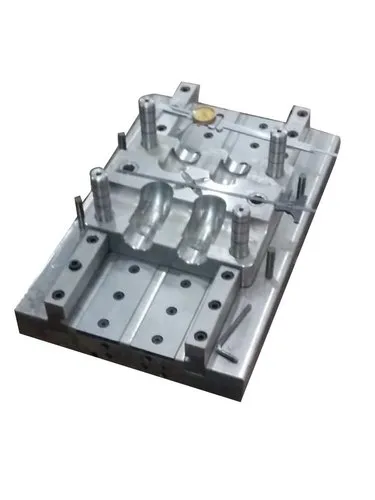
An Electronic Mould System (EMS) is an integrated system used in manufacturing processes, particularly in plastic injection moulding and die casting, to enhance productivity, ensure quality, and automate operations. The system comprises several electronic and electromechanical components working together to control and monitor the moulding cycle.
1. Mould Controller (Central Processing Unit)
Function: Acts as the brain of the EMS, coordinating all other components.
Features:
Stores and executes moulding programs.
Controls sequence and timing of mould operations.
Interfaces with sensors and actuators.
Supports remote diagnostics and programming.
2. Sensors
Sensors are crucial for real-time monitoring and feedback. Common types include:
a. Temperature Sensors
Monitor the temperature of the mould, heaters, and coolant.
Helps in maintaining optimal thermal conditions.
b. Pressure Sensors
Measure cavity pressure, hydraulic pressure, and clamping pressure.
Ensure proper material filling and prevent overpressure damage.
c. Proximity/Limit Sensors
Detect the position of moving parts like ejector plates or core pulls.
Ensure sequence control and prevent collisions.
d. Flow Sensors
Monitor coolant or hydraulic fluid flow to detect blockages or inefficiencies.
3. Actuators
These convert electrical signals into mechanical movements.
a. Solenoid Valves
Control the flow of air or hydraulic fluid for mould movement (e.g., core pulling, slides, ejectors).
b. Servo Motors
Provide precise control for mould movements and automation systems.
4. Human-Machine Interface (HMI)
A user interface for operators to interact with the system.
Displays real-time data, errors, process parameters.
Allows programming, calibration, and diagnostics.
5. Heaters and Temperature Controllers
Heaters: Maintain required mould temperature for proper plastic flow.
Temperature Controllers: Regulate the heaters based on input from temperature sensors.
6. Cooling System Integration
Controlled by the EMS to manage temperature.
Includes pumps, flow regulators, and valves.
May be linked with sensors for automatic feedback-based adjustment.
7. Safety and Interlock System
Prevents accidents and equipment damage.
Includes:
Emergency stop buttons.
Interlock sensors to ensure correct component positions before proceeding.
Alarms and warnings for abnormal conditions.
8. Communication Interfaces
Purpose: Enable connectivity with other systems like:
PLCs (Programmable Logic Controllers)
SCADA systems
Factory automation networks (e.g., Ethernet/IP, Profibus, Modbus)
Facilitates data logging, remote control, and integration with Industry 4.0 platforms.
9. Data Logging and Storage Module
Records process data, fault logs, and production statistics.
Useful for:
Quality assurance
Maintenance planning
Traceability and audits
10. Power Supply and Backup System
Provides regulated power to all components.
May include:
Battery backup or UPS to protect against outages.
Circuit protection (fuses, MCBs).
Conclusion
An Electronic Mould System significantly enhances the performance, safety, and reliability of the moulding process. By integrating advanced control, monitoring, and automation components, it allows for high precision, repeatability, and minimal downtime in modern manufacturing environments.