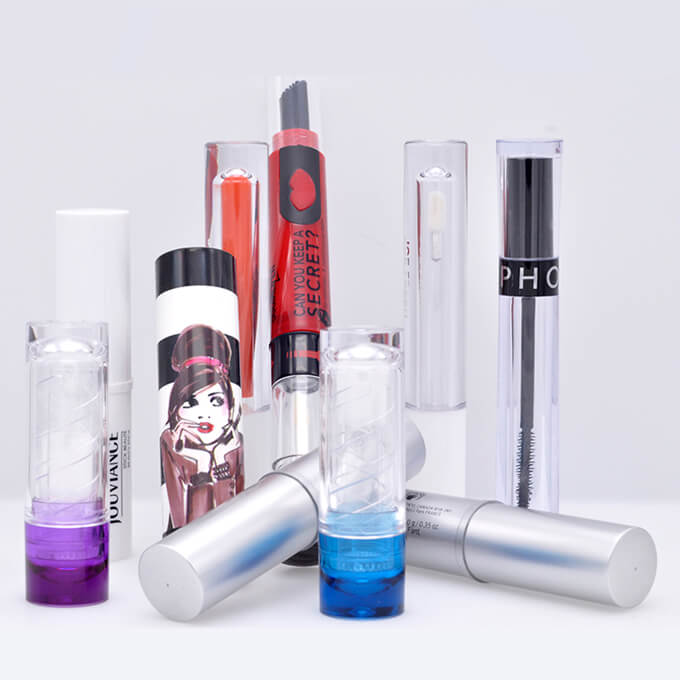
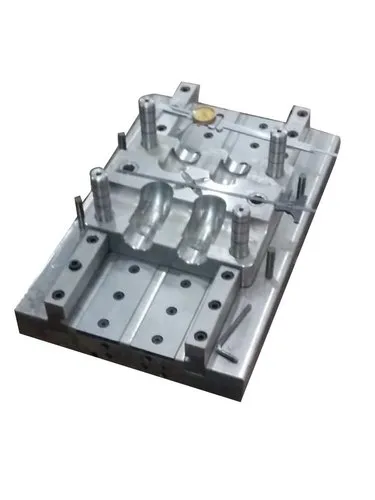
Cosmetic moulding refers to the production of plastic parts or components that are primarily designed for visual appeal, surface finish, and aesthetics. In small-scale production, cosmetic moulding plays a critical role in prototyping, boutique product lines, and limited-edition consumer goods where quality and appearance are just as important as function.
Key Applications
Cosmetic moulding is widely used in industries such as:
Consumer electronics (phone cases, remote housings)
Beauty and personal care products (packaging, caps, compacts)
Automotive interiors (dashboard trim, knobs)
Wearables and accessories (smartwatches, custom jewelry)
Home goods (decor items, small appliances)
Materials Commonly Used
For small-batch cosmetic parts, the choice of material impacts both visual and tactile quality. Common plastics include:
ABS (Acrylonitrile Butadiene Styrene) – Excellent surface finish, paintable
Polycarbonate (PC) – Clear and impact-resistant
PMMA (Acrylic) – Glossy and transparent
Nylon (PA) – Tough with good surface texture
TPE/TPU – Soft-touch finishes for grips or handles
Moulding Techniques for Small-Scale Production
Silicone Moulding (RTV Moulding)
Ideal for producing 10–100 parts.
Uses a master model to create a silicone mould.
Suitable for prototypes and short runs.
Excellent detail reproduction and surface finish.
3D Printed Moulds for Injection Moulding
Low-cost alternative for very short runs (10–50 parts).
Rapid mould iteration possible.
Best with low-pressure injection machines.
Aluminum Moulds (Soft Tooling)
Cost-effective for up to 10,000 cycles.
Faster and cheaper to produce than steel moulds.
Can achieve high cosmetic quality with proper polishing and coatings.
Urethane Casting
Uses silicone moulds and polyurethane resins.
Great for simulating final injection-moulded parts.
Often used for display units and investor prototypes.
Cosmetic Considerations
When appearance matters, several key factors must be controlled:
Surface Finish: Glossy, matte, textured, or custom patterned surfaces.
Color Matching: Custom pigmentation or post-processing (painting, plating).
Consistency: Uniform texture, color, and gloss across all parts.
Defect Minimization: Avoiding sink marks, weld lines, and flow lines.
Post-Processing Techniques
Enhancing the cosmetic appeal often requires post-moulding processes:
Painting or Spray Coating
Pad Printing or Laser Etching
Vapor Polishing (especially for PC or PMMA)
Metallic or Chrome Plating
Silk Screening or Hot Stamping
Cost and Efficiency Balance
For small-scale production, achieving a balance between quality and cost is essential. Cosmetic moulding can be more expensive per unit than mass production, but the investment can be justified by:
Reduced tooling costs
Faster time-to-market
Lower inventory and waste
Better product customization and flexibility
Quality Control and Testing
Visual inspection and surface quality standards such as SPI (Society of the Plastics Industry) finishes help maintain cosmetic integrity. Dimensional accuracy and color consistency are also critical, especially in customer-facing products.
Conclusion
Cosmetic moulding for small-scale production is a strategic solution for startups, niche brands, and custom manufacturing. By leveraging flexible moulding techniques and focusing on aesthetics, companies can produce visually appealing, market-ready parts without the high upfront costs of mass manufacturing. With careful planning, small-scale cosmetic moulding can deliver both quality and visual impact efficiently.