1. Introduction
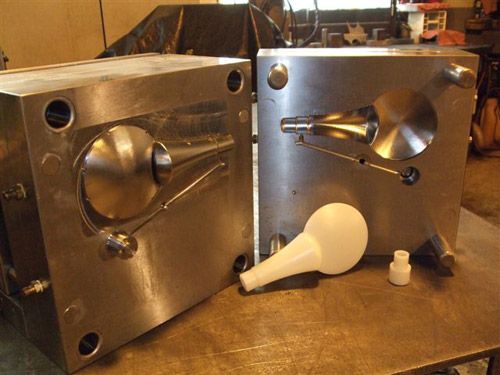
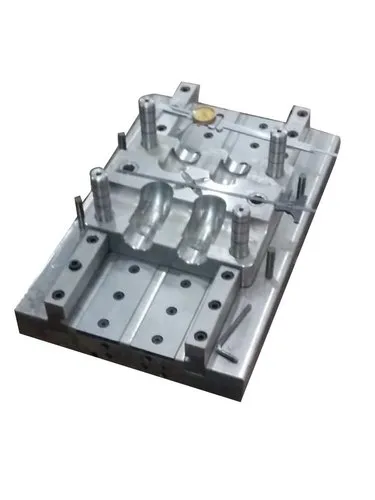
Recycled plastic moulding is an increasingly important manufacturing process, driven by global environmental concerns and sustainability efforts. Designing dies specifically for recycled plastics presents unique challenges and opportunities compared to virgin materials. The variability in material properties, contamination, and flow behavior require careful consideration during die design to ensure product quality, performance, and process efficiency.
2. Understanding Recycled Plastics
2.1 Types of Recycled Plastics
Post-consumer recycled (PCR) plastics
Post-industrial recycled (PIR) plastics
Common types used in moulding:
Recycled PET (rPET)
Recycled HDPE
Recycled PP
Recycled LDPE
Recycled PS
2.2 Challenges of Recycled Plastics
Inconsistent melt flow index (MFI)
Presence of contaminants or fillers
Color variations
Degradation due to previous processing
Lower mechanical properties than virgin resin
3. Die Design Considerations
Designing a die for recycled plastic moulding must address material variability and processing limitations.
3.1 Material Flow and Viscosity
Recycled plastics may have uneven flow characteristics.
Die channels should be designed to:
Minimize shear stress
Promote uniform flow
Prevent dead zones (where material stagnates)
3.2 Contaminant Handling
Dies should incorporate filtering screens or breaker plates to trap contaminants.
Back pressure must be carefully controlled to prevent die clogging.
3.3 Die Geometry
Tapered runners and gates can accommodate variations in viscosity.
Larger and smoother flow channels may help reduce shear and degradation.
Consider modular die designs to allow easy maintenance or component swaps.
3.4 Temperature Control
Recycled plastics are sensitive to overheating.
Die must integrate efficient heating/cooling channels to:
Maintain consistent melt temperature
Avoid thermal degradation
3.5 Venting
Proper venting is critical to eliminate trapped gases and moisture.
Vent ports or grooves should be placed strategically to prevent defects like voids or burn marks.
4. Tooling Material Selection
Tooling must withstand abrasive contaminants often found in recycled plastics.
Recommended materials:
Hardened tool steels (e.g., H13, P20)
Surface-treated steels for corrosion and wear resistance
Consider coatings (e.g., TiN, chromium) to reduce wear and sticking
5. Moulding Process Optimization
Screw design: Use of barrier or mixing screws for better melt homogenization
Processing parameters:
Lower shear rates
Controlled back pressure
Optimized injection speed and pressure profiles
6. Quality Control in Recycled Plastic Moulding
Regular material testing (MFI, contamination, moisture content)
Inline monitoring systems to detect defects early
Die maintenance schedules to prevent clogging and wear
7. Case Study Example (Optional)
A manufacturer switched to recycled HDPE for injection moulding crates. By redesigning the die to include a larger runner system and integrated filter screens, the company reduced scrap rates by 30% and extended die life by 40%.
8. Sustainability and Economic Benefits
Reducing virgin plastic use
Cost-effective material sourcing
Positive environmental impact through plastic waste reduction
Extended tooling life with appropriate design
9. Conclusion
Die design for recycled plastic moulding is a specialized field that requires a deep understanding of both material behavior and tooling engineering. By adapting traditional die designs to meet the unique challenges posed by recycled plastics—such as variable flow, contamination, and degradation—manufacturers can produce high-quality components sustainably and economically.