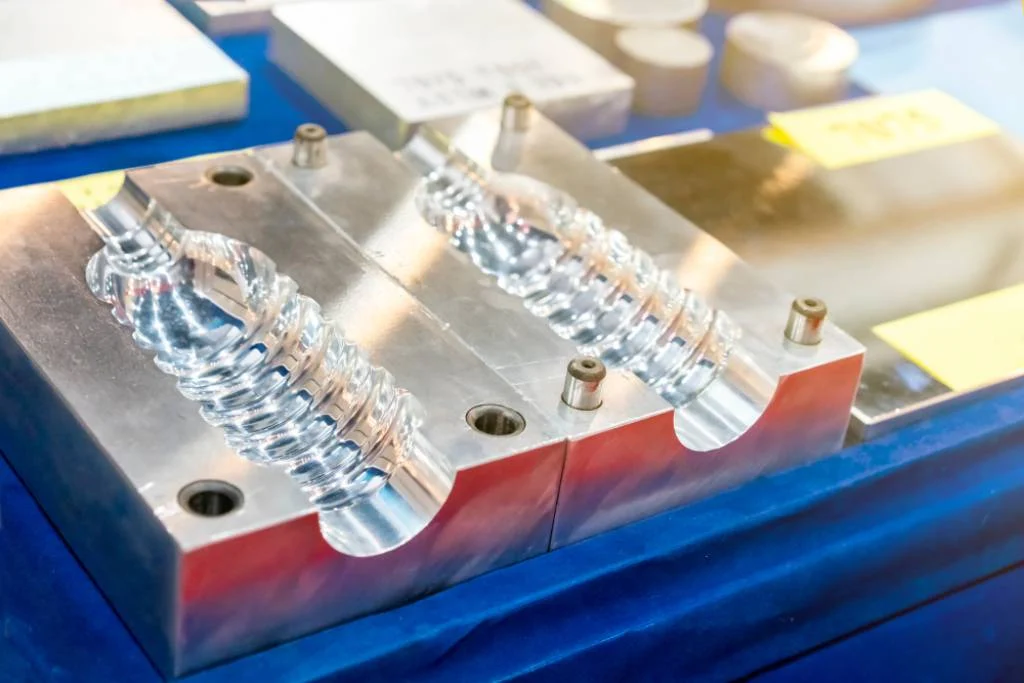
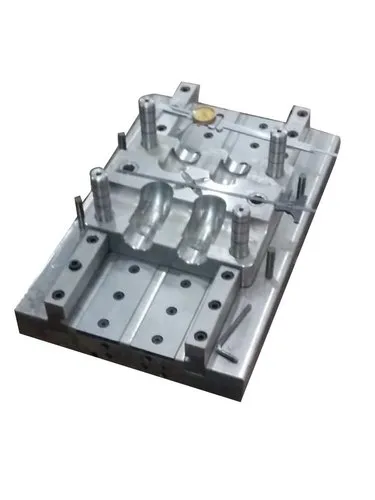
Blow moulding and injection moulding are two widely used manufacturing processes for producing plastic components. While both involve melting plastic and shaping it into a desired form using a mould, they differ significantly in their techniques, applications, and the types of products they produce.
1. Process Overview
Injection Moulding:
In this process, molten plastic is injected under high pressure into a metal mould cavity. Once the plastic cools and solidifies, the mould opens to eject the finished part. It is primarily used for producing solid components.Blow Moulding:
Blow moulding involves melting plastic and forming it into a parison (a hollow tube). Air is then blown into the parison inside a mould, causing it to expand and take the shape of the mould cavity. It is used mainly for producing hollow objects.
2. Type of Products
Injection Moulding:
Used for manufacturing solid and detailed parts such as automotive components, electronic housings, toys, containers, and household goods.Blow Moulding:
Used for making hollow plastic products like bottles, containers, tanks, and drums.
3. Mould Design
Injection Moulding:
Requires a complex and precise mould design since it must withstand high pressure and ensure accurate detailing.Blow Moulding:
The mould design is simpler compared to injection moulding as it shapes only the exterior surface of the product.
4. Material Usage
Injection Moulding:
Common materials include polypropylene (PP), polystyrene (PS), polyethylene (PE), ABS, and nylon.Blow Moulding:
Typically uses thermoplastics with good melt strength such as HDPE, PET, and PVC.
5. Wall Thickness
Injection Moulding:
Produces uniform wall thickness throughout the product.Blow Moulding:
Wall thickness may vary depending on the air pressure and material distribution during the blowing process.
6. Production Cost and Speed
Injection Moulding:
High initial tooling cost but cost-effective for mass production due to high precision and repeatability.Blow Moulding:
Generally lower tooling costs and faster production for hollow parts.
7. Applications
Injection Moulding:
Dashboards, phone cases, plastic cutlery, medical devices, and electrical components.Blow Moulding:
Beverage bottles, shampoo containers, fuel tanks, and packaging bottles.