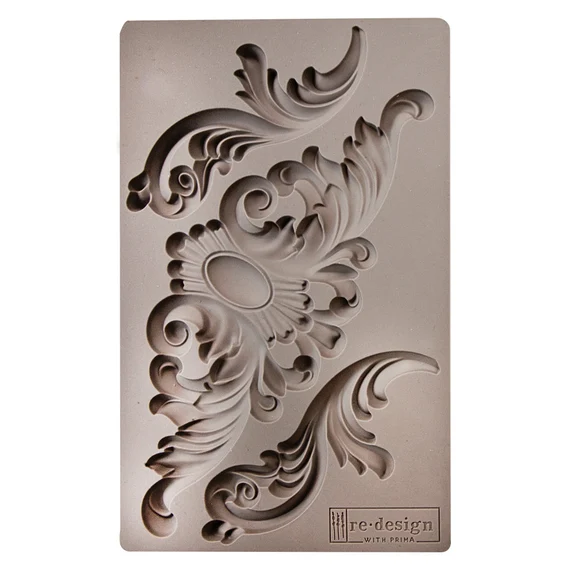
Designing moulds for furniture manufacturing—whether for plastic, metal, or composite materials—requires careful consideration of several engineering, material, and aesthetic factors. The quality, durability, and cost-effectiveness of the final product depend significantly on how well the mould is designed. Below are the key factors to consider in mould design for furniture:
1. Type of Furniture and Functional Requirements
The intended purpose and type of furniture (e.g., chair, table, storage unit, or decorative item) determine the overall design and complexity of the mould.
Load-bearing requirements: Structural components like chair legs or table tops need moulds designed to produce strong and stable parts.
Aesthetic elements: For decorative or ergonomic furniture, the mould must support smooth contours, textures, or fine detailing.
2. Material Selection
The choice of material for the furniture influences the mould design significantly.
Plastic: Requires precise temperature control and shrinkage compensation.
Metal or Aluminum: Needs moulds that can withstand high pressure and temperature.
Wood composites or resin: May require release coatings and venting provisions to prevent air entrapment.
Each material expands, contracts, and flows differently during the moulding process, and the mould design must accommodate these behaviors.
3. Mould Type and Construction
Selecting the appropriate mould type is essential for production efficiency.
Single-cavity vs. multi-cavity moulds: Multi-cavity moulds improve productivity but increase cost and complexity.
Two-part or multi-part moulds: Necessary for complex shapes or undercuts.
Insert moulds: Allow for embedded components like metal reinforcements.
Additionally, mould material (e.g., steel, aluminum) affects durability, cost, and surface finish.
4. Draft Angles and Parting Lines
Proper draft angles facilitate easy ejection of the furniture part without damaging the surface.
Draft angle: Typically ranges from 1°–3° depending on material shrinkage.
Parting line: Should be strategically located to minimize visible seams and ensure easy mould separation.
5. Shrinkage and Dimensional Accuracy
All moulded materials experience some degree of shrinkage during cooling or curing.
Designers must apply shrinkage allowances based on the specific material used.
Dimensional accuracy ensures that parts fit together correctly, especially for modular or assembly-based furniture designs.
6. Surface Finish and Texture
Furniture aesthetics are critical, so the mould surface should produce the desired finish directly.
Polished surfaces for glossy products.
Textured or matte finishes for anti-slip or decorative effects.
The mould design should allow for easy cleaning and maintenance to preserve surface quality.
7. Cooling and Venting System
Efficient cooling channels and proper venting ensure uniform material flow and reduce defects.
Cooling system: Must provide consistent temperature control to prevent warping.
Venting: Essential to avoid air pockets, bubbles, or burn marks in the final product.
8. Ejection Mechanism
The design must incorporate a smooth and reliable ejection system to remove parts without deformation.
Ejector pins, air ejectors, or stripper plates may be used depending on part geometry and size.
Improper ejection design can lead to surface damage or part distortion.
9. Production Volume and Cost
The expected production volume influences mould complexity and material choice.
Low-volume production: May justify simpler or softer moulds (e.g., aluminum).
High-volume production: Requires durable steel moulds capable of sustaining large production runs.
Balancing initial tooling cost with long-term productivity is crucial for cost efficiency.
10. Maintenance and Durability
Moulds should be designed for easy maintenance, cleaning, and part replacement.
Wear-resistant materials extend mould life.
Accessible design simplifies repair and minimizes downtime.
11. Environmental and Ergonomic Considerations
Modern furniture design emphasizes sustainability and user comfort.
Eco-friendly materials: Moulds should accommodate biodegradable or recyclable materials.
Ergonomic shapes: Require precise mould design for comfort and safety.
12. Aesthetic and Branding Requirements
Furniture design often reflects brand identity. Moulds must support unique shapes, logos, or patterns that align with the brand’s image while maintaining manufacturability.
Conclusion
Effective mould design for furniture is a blend of engineering precision, material science, and aesthetic sensitivity. By carefully considering material properties, manufacturing requirements, and design goals, manufacturers can produce furniture that is durable, visually appealing, and economically viable. A well-designed mould not only ensures product quality but also enhances efficiency, reduces waste, and supports sustainable production practices.