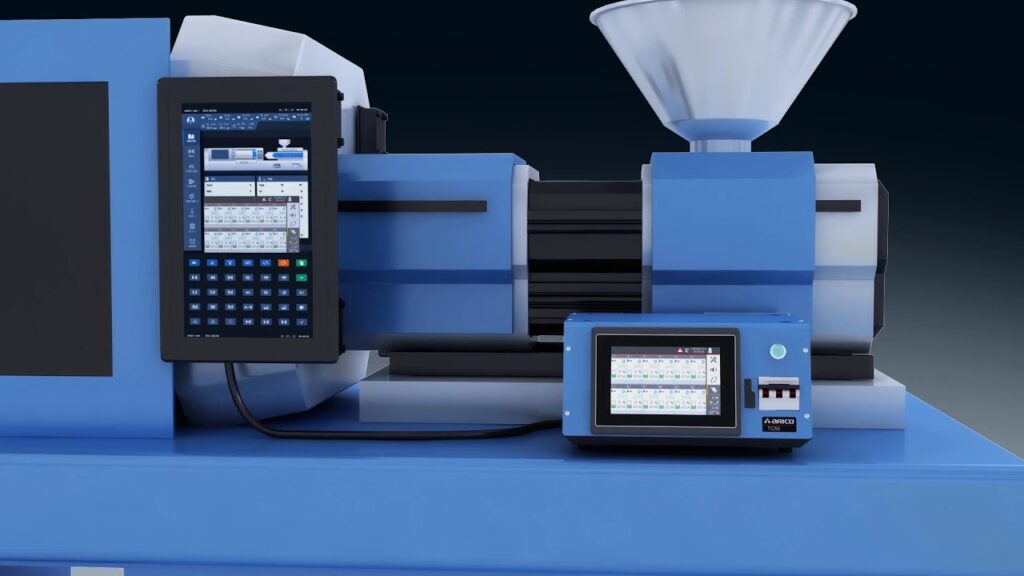
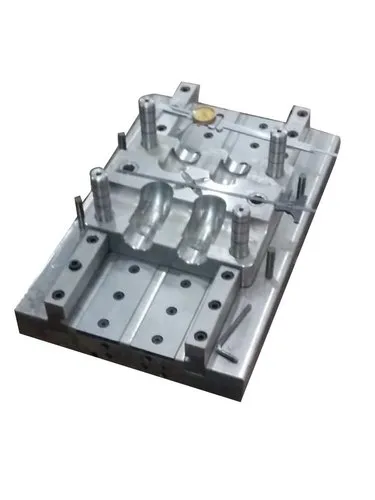
The rapid growth of the Internet of Things (IoT) and connected devices has led to a surge in demand for compact, durable, and high-performance enclosures and components. Injection molding plays a crucial role in meeting this demand, providing a scalable and cost-effective method for producing plastic parts that house and support the functionality of smart devices.
Why Injection Molding Is Ideal for IoT Devices
Precision and Consistency
IoT devices often feature intricate geometries and require exact tolerances to accommodate sensors, antennas, PCBs, and batteries. Injection molding offers high precision and repeatability, ensuring consistent quality across large production runs.Material Versatility
A wide range of thermoplastics are available for injection molding, including ABS, PC, Nylon, and polycarbonate blends. These materials can be selected based on the need for strength, flexibility, thermal resistance, or RF transparency — crucial for wireless communication.Cost-Effectiveness for High Volumes
While tooling can be expensive initially, injection molding is highly economical at scale. For companies producing large quantities of connected devices, this manufacturing method delivers a low per-unit cost.Miniaturization Support
With IoT devices becoming increasingly compact, injection molding allows for the creation of tiny, detailed parts that traditional manufacturing methods may not accommodate.
Applications in IoT and Connected Devices
Smart Home Devices (e.g., thermostats, doorbells, security cameras)
Wearables (e.g., fitness trackers, smartwatches)
Medical Devices (e.g., remote monitoring tools, smart inhalers)
Industrial IoT Sensors (e.g., asset trackers, environmental monitors)
Smart Appliances (e.g., connected refrigerators, ovens)
Key Design Considerations
Electromagnetic Compatibility (EMC)
Enclosures must be designed to minimize interference while allowing wireless signals to pass through. RF-friendly materials and shielding strategies are often required.Thermal Management
Devices that generate heat may require ventilation, heat sinks, or thermally conductive plastics to ensure long-term performance and safety.Ingress Protection (IP Ratings)
Devices used outdoors or in harsh environments must be sealed against dust and moisture. Injection molded parts can be designed to meet IP65, IP67, or higher ratings.Snap Fits and Assembly
Molded features such as snap fits and bosses can reduce the need for screws or adhesives, simplifying assembly and disassembly for battery changes or maintenance.Aesthetics and Branding
Surface finishes, color options, and in-mold labeling or decoration can enhance the user experience and reflect brand identity.
Challenges and Solutions
Tooling Cost and Lead Time
Solution: Use rapid tooling or prototype molds to test and refine designs before investing in full-scale steel tooling.Material Selection for RF Transparency
Solution: Work with material specialists to choose plastics that allow signal transmission while providing strength and durability.Changing Design Requirements
Solution: Leverage modular tooling and multi-cavity molds to accommodate product variations without full retooling.
Future Trends
Integration with Smart Manufacturing
IoT devices themselves are enabling smart factories. Injection molding is evolving to incorporate Industry 4.0 concepts such as machine learning, real-time monitoring, and predictive maintenance.Sustainable Materials
With growing environmental awareness, there is increasing interest in biodegradable or recycled materials for molded parts without compromising functionality.Hybrid Components
Combining plastic with metal inserts or overmolding electronics is opening up new design possibilities for robust, multifunctional connected products.
Conclusion
Injection molding remains a foundational manufacturing process for the IoT revolution. Its ability to produce durable, precise, and scalable plastic components makes it ideal for everything from smart home gadgets to complex industrial sensors. By carefully considering material selection, enclosure design, and production scalability, developers can harness injection molding to bring innovative, connected products to market faster and more efficiently.