1. Introduction
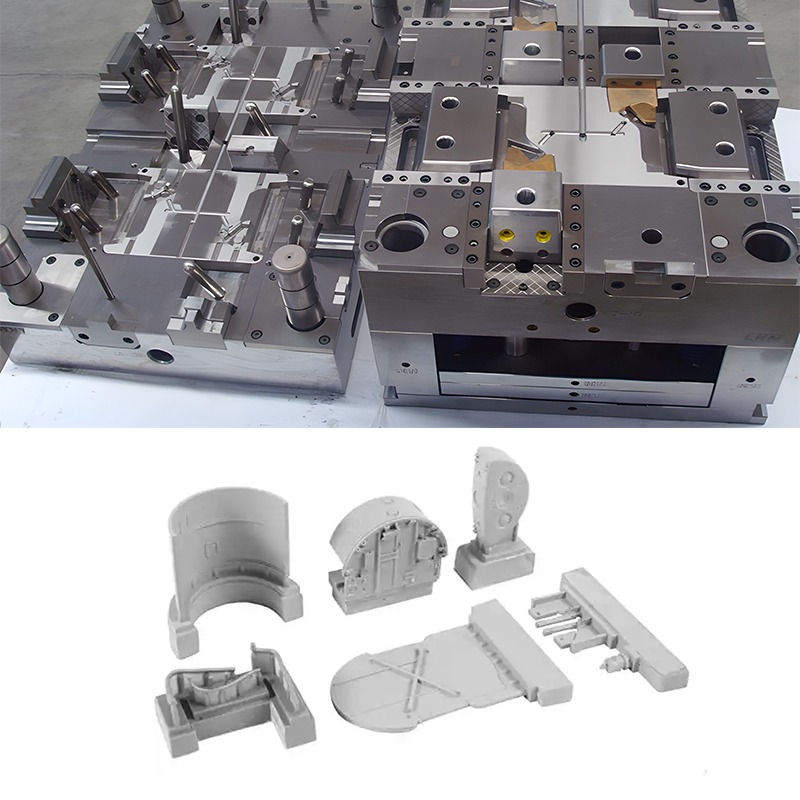
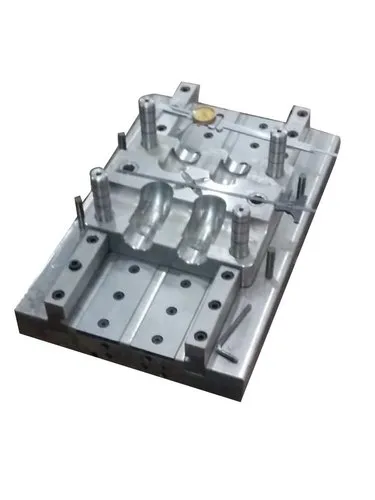
Injection moulding is a widely used manufacturing process for producing complex plastic components in high volumes with excellent dimensional accuracy. Traditionally, injection moulds have been purely mechanical systems, designed to shape molten plastic and withstand high pressures and temperatures. However, with the advent of Industry 4.0, smart manufacturing, and embedded sensor technologies, moulds are evolving into intelligent tools capable of monitoring, controlling, and optimizing the moulding process in real time.
Injection moulds with embedded electronics integrate sensors, microcontrollers, and communication modules within the mould structure to collect process data and enable adaptive control. These “smart moulds” significantly improve product quality, reduce cycle time, and support predictive maintenance.
2. Concept and Working Principle
Embedded electronics are incorporated directly into the mould cavity, core, or other tooling components without affecting the mould’s structural integrity or moulding performance. These electronics can include:
Temperature sensors (thermocouples, RTDs)
Pressure sensors
Humidity and flow sensors
Strain gauges
RFID chips for part tracking
Microcontrollers or wireless transmitters
During each injection cycle, these sensors continuously measure parameters such as:
Melt temperature and pressure inside the cavity
Cooling channel temperature
Clamp force and mould strain
Cycle time and part ejection conditions
The collected data are transmitted to a data acquisition system or manufacturing execution system (MES) via wired or wireless communication (e.g., Bluetooth, Wi-Fi, or industrial protocols). Advanced analytics and control algorithms can then adjust process parameters (injection speed, packing pressure, cooling time) dynamically.
3. Components and Technologies Used
| Component | Description | Function |
|---|---|---|
| Embedded Sensors | Miniaturized temperature, pressure, or strain sensors | Real-time process monitoring |
| Microcontrollers | Small computing units integrated in or near the mould | Data processing and control |
| Communication Interface | Wired (Ethernet, CAN) or wireless (BLE, Wi-Fi) | Data transfer to external systems |
| Power Supply | Battery, energy harvesting (heat or vibration), or wired power | Powers embedded electronics |
| Software / IoT Platform | Cloud or local system for data analysis and visualization | Decision-making and predictive analytics |