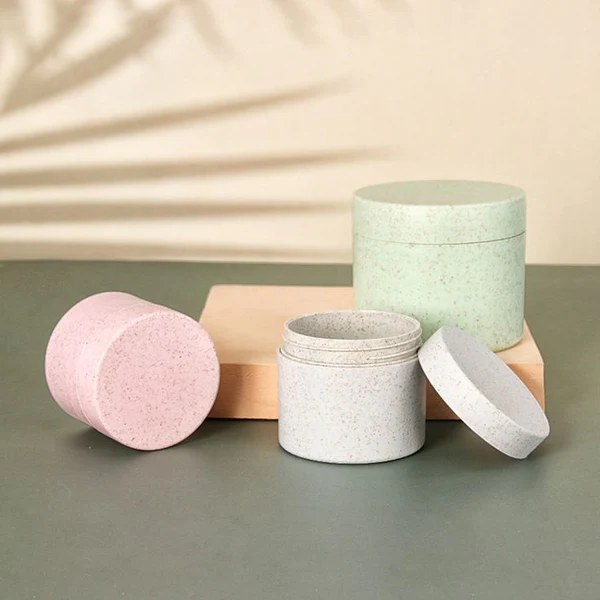
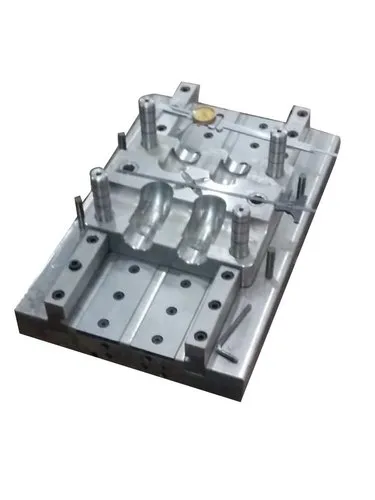
In recent years, sustainability has become a central focus in the cosmetics industry, driving a significant shift in packaging practices. With growing environmental awareness and increasing consumer demand for eco-friendly alternatives, brands are now investing in biodegradable cosmetic packaging moulds—a breakthrough that aligns beauty with sustainability. These innovations are not only reducing the ecological footprint of packaging but are also enhancing product appeal in a conscious market.
1. The Need for Biodegradable Packaging
Traditional cosmetic packaging, often made from plastics and composites, contributes heavily to global pollution. According to industry estimates, the beauty industry generates over 120 billion packaging units annually, much of which ends up in landfills. The shift toward biodegradable moulds addresses this issue by offering materials that naturally decompose without leaving toxic residues.
2. Materials Leading the Change
a. PLA (Polylactic Acid)
Derived from renewable resources like corn starch or sugarcane, PLA is one of the most widely used biodegradable plastics. It’s moldable, heat-resistant, and compostable under industrial conditions, making it suitable for jars, compacts, and tubes.
b. PHA (Polyhydroxyalkanoates)
Produced by microbial fermentation, PHA is gaining popularity due to its ability to biodegrade in both marine and terrestrial environments. It’s particularly suited for single-use cosmetic items or travel packaging.
c. Molded Pulp & Fiber
Moulded from agricultural waste (like bamboo, sugarcane bagasse, or recycled paper), this material is cost-effective, compostable, and customizable for various shapes and designs. It’s ideal for outer packaging, inserts, and even compact cases.
d. Mushroom-Based Packaging
An emerging innovation, mycelium (mushroom root) is grown in custom moulds to form sturdy, biodegradable packaging. It’s water-resistant, anti-static, and breaks down in weeks after disposal.
3. Mould Design Innovations
a. 3D-Printed Biodegradable Moulds
3D printing allows for rapid prototyping and production of moulds using biodegradable filaments. This reduces waste during the design phase and enables complex, custom packaging shapes.
b. Modular Mould Systems
These allow interchangeable parts for different product lines, reducing the need for multiple unique moulds and cutting down on production material waste.
c. Water-Soluble Mould Inserts
For specific cosmetic items like bath bombs or face masks, water-soluble inserts made from PVOH (polyvinyl alcohol) are being used within biodegradable outer shells, offering a dual-sustainability benefit.
4. Industry Adoption & Case Studies
Several beauty brands are leading the charge:
Lush: Uses molded fiber trays and mushroom packaging for shipping.
Aveda: Employs post-consumer recycled and bioplastic materials in bottles and moulded caps.
Haeckels: Developed mycelium-based packaging for skincare items.
These early adopters showcase the potential for biodegradable mould technology to be scaled across the industry.
5. Challenges and Opportunities
Challenges:
Cost: Biodegradable materials and moulding technology are currently more expensive than conventional plastics.
Performance: Some biodegradable materials may not yet match the barrier properties of plastics.
Infrastructure: Limited industrial composting facilities restrict disposal options.
Opportunities:
Consumer Preference: Brands with sustainable packaging report higher customer loyalty and product differentiation.
Regulatory Pressure: Governments are increasingly banning single-use plastics, encouraging the shift.
Technological Advances: As materials science evolves, biodegradable options are becoming more durable and cost-efficient.
6. The Future Outlook
Biodegradable cosmetic packaging moulds are poised to redefine sustainability standards in the beauty sector. As R&D progresses, we can expect biodegradable smart packaging, edible wrappers, and self-disassembling moulds to enter the market. Collaboration between cosmetic companies, material scientists, and mould manufacturers will be crucial in making these innovations mainstream.
Conclusion
The innovation in biodegradable cosmetic packaging moulds marks a pivotal step toward circular beauty. By replacing plastic with compostable, renewable alternatives, brands can reduce waste, lower their carbon footprint, and appeal to eco-conscious consumers. As these moulding technologies evolve, sustainability will no longer be a trend—but a standard.