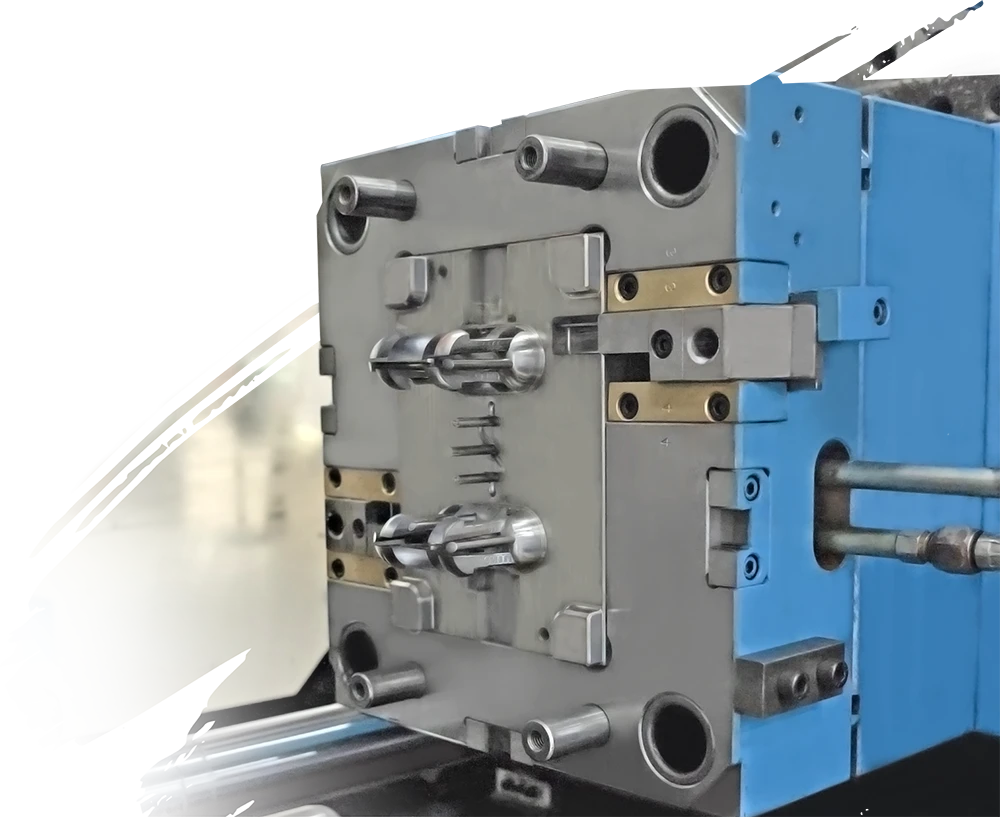
Tolerance and Precision in Electronic Moulds

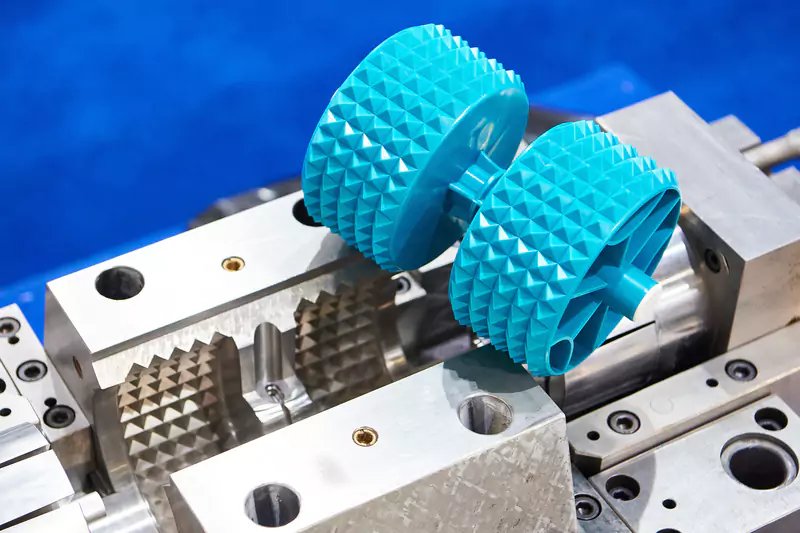
1. Introduction In the manufacturing of electronic components, moulds play a critical role in shaping plastic, metal, or composite materials into precise parts used in devices such as connectors, casings, and micro-mechanical assemblies. The performance, reliability, and longevity of these parts depend heavily on how accurately the mould is made — a factor governed by […]

Tolerance and Precision in Electronic Moulds Read More »
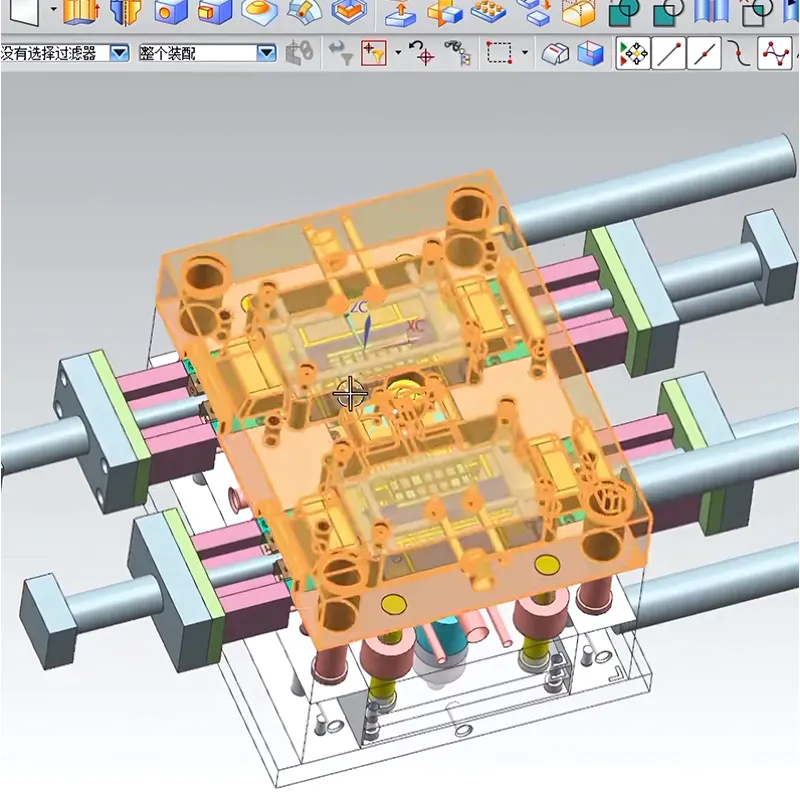
Mold Flow Analysis in Auto Mould Development

1. Introduction Mold Flow Analysis (MFA) is a computer-aided engineering (CAE) simulation process used to predict the behavior of molten plastic during the injection molding process. In the context of automotive mold development, mold flow analysis plays a critical role in optimizing part design, mold design, and processing parameters before actual tool manufacturing begins. It

Mold Flow Analysis in Auto Mould Development Read More »

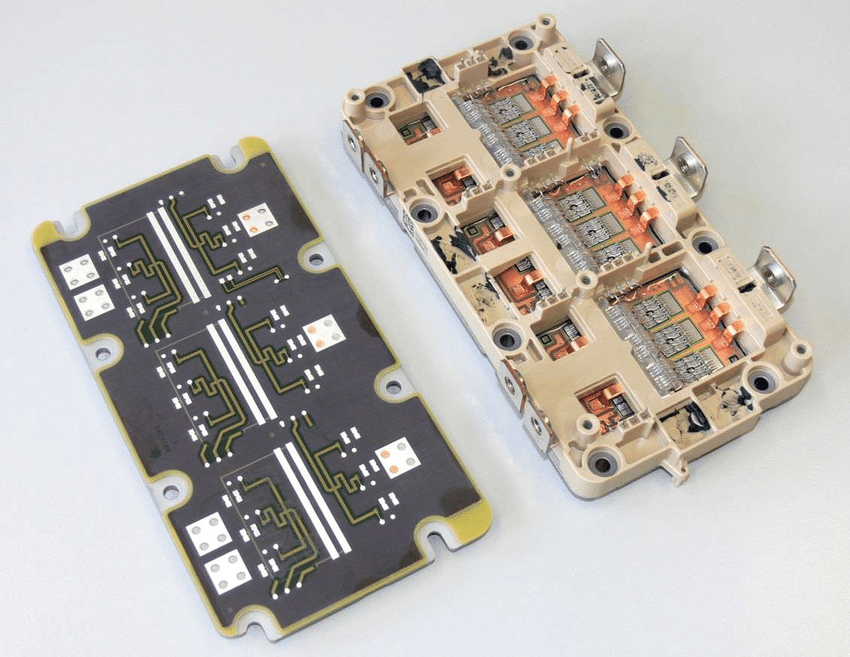
PCB Integration in Moulds

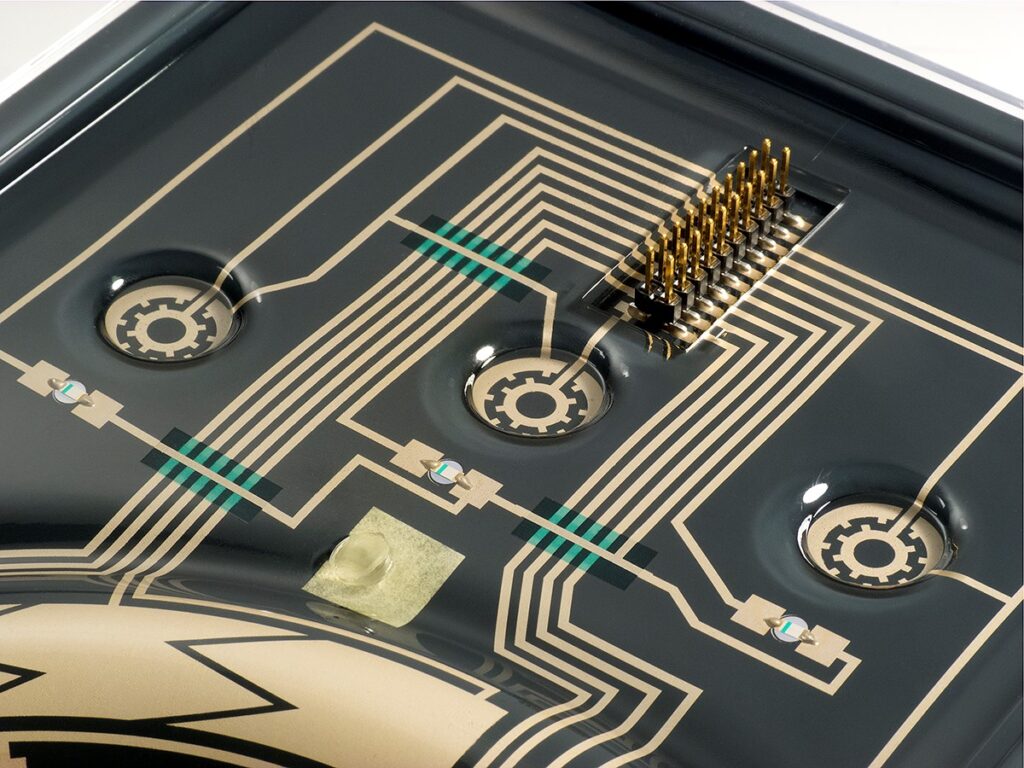
1. Introduction The integration of Printed Circuit Boards (PCBs) into moulds represents a significant advancement in smart manufacturing and the development of intelligent moulded components. By embedding electronic circuitry directly into moulded parts, manufacturers can create products that combine mechanical functionality with electronic intelligence — enabling sensing, communication, and control within a single integrated unit.

PCB Integration in Moulds Read More »

Importance of Tolerance and Precision in Mould Design

1. Introduction In mould design, tolerance and precision play a critical role in ensuring that the final product meets functional, aesthetic, and performance requirements. Moulds are used to manufacture components in industries such as automotive, aerospace, consumer goods, and medical devices — where even minor dimensional variations can lead to defective parts or assembly failures.

Importance of Tolerance and Precision in Mould Design Read More »

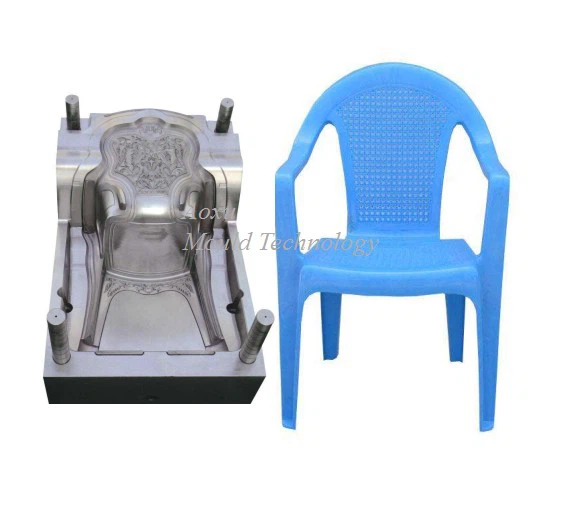
Key Components of a Plastic Furniture Mould

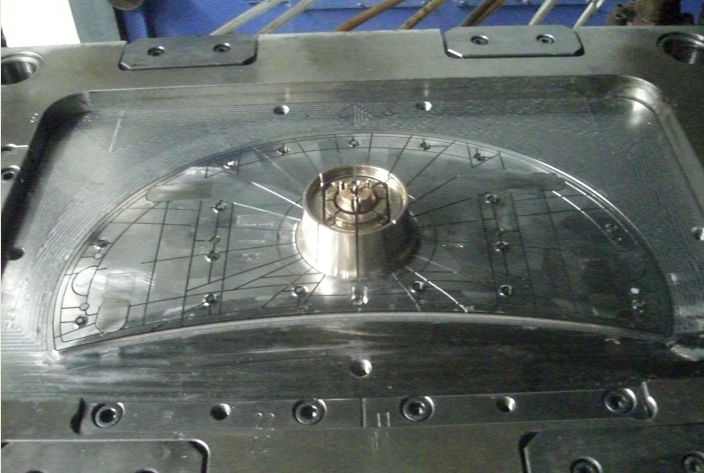
Plastic furniture moulds are precision-engineered tools used in the injection moulding process to produce items like chairs, tables, stools, and cabinets. These moulds are typically made of hardened steel or aluminum and consist of several critical components that ensure high-quality, efficient, and repeatable production. Below are the key components of a plastic furniture mould: 1.

Key Components of a Plastic Furniture Mould Read More »

Material Selection for Electronic Mould Components

Material selection plays a crucial role in the design and manufacturing of electronic mould components. These components are used in moulds designed to produce parts for electronic devices such as connectors, housings, and precision assemblies. The right material ensures the mould’s durability, dimensional accuracy, heat resistance, and overall performance in mass production environments. Key Considerations

Material Selection for Electronic Mould Components Read More »

CAD/CAM in Automobile Mould Design

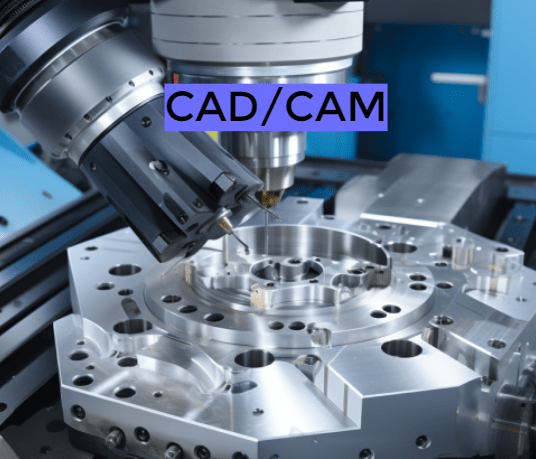
The automotive industry relies heavily on precision-engineered components for performance, safety, and aesthetic quality. One of the critical aspects in manufacturing automotive parts—especially plastic and metal components—is the design and creation of moulds. CAD (Computer-Aided Design) and CAM (Computer-Aided Manufacturing) technologies have revolutionized the mould design and manufacturing processes, bringing accuracy, efficiency, and flexibility to

CAD/CAM in Automobile Mould Design Read More »

Design Considerations for Electronic Moulds

Electronic moulds (also known as electronic or smart injection moulds) are specialized moulds that integrate sensors, actuators, or other electronic components to monitor, control, or enhance the moulding process. These moulds are commonly used in high-precision industries such as automotive, medical, electronics, and consumer products. When designing electronic moulds, several factors must be taken into

Design Considerations for Electronic Moulds Read More »

Scroll to Top