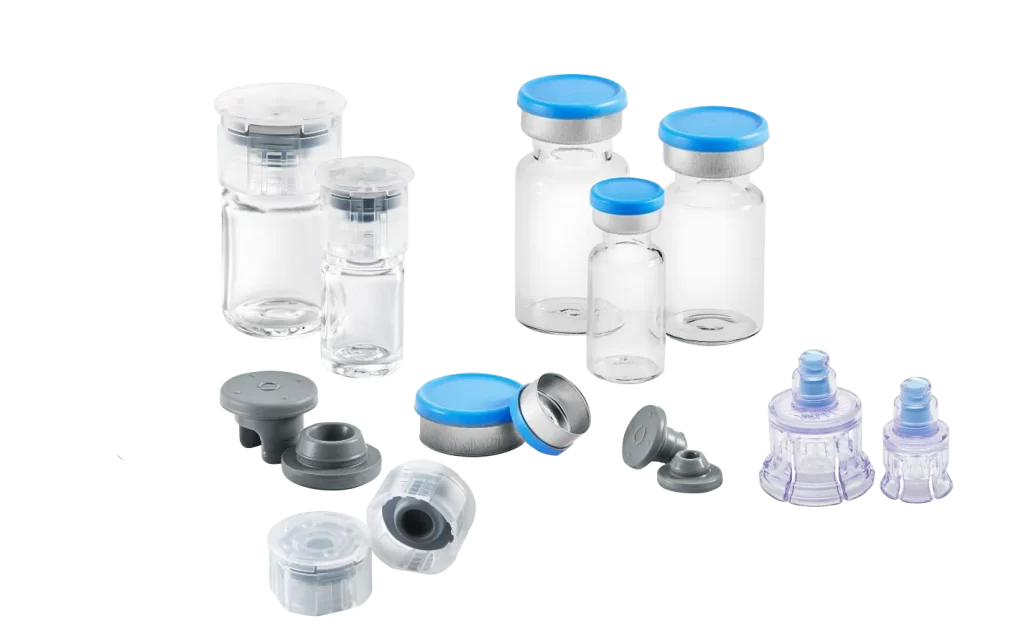
Closures—such as caps, lids, stoppers, and seals—play a critical role in maintaining the safety, integrity, and quality of products in the food and pharmaceutical industries. These components must meet stringent regulatory standards to ensure they are safe, effective, and compatible with the product they are protecting. This document outlines the key regulatory standards and considerations applicable to closures in both sectors.
1. Importance of Closures in Food and Pharma
Closures serve multiple critical functions:
Prevent contamination (microbial, chemical, physical)
Maintain sterility (especially in pharmaceuticals)
Ensure shelf life and stability
Enable tamper-evidence
Facilitate proper dosing or dispensing
2. Regulatory Bodies and Standards
Several global and regional regulatory bodies establish standards for closures:
A. United States
Food and Drug Administration (FDA)
21 CFR Part 177: Regulations for indirect food additives, including closures.
21 CFR Part 211: CGMP for pharmaceuticals; includes container-closure requirements.
USP <661.1> and <661.2>: Testing for plastic materials and systems used in pharmaceutical packaging.
B. European Union
European Medicines Agency (EMA)
EU Guidelines for GMP: Annex 1 covers sterile product packaging.
Pharmacopoeia Monographs (Ph. Eur.): Provide tests for elastomeric closures, glass containers, etc.
EU Food Contact Regulations
Regulation (EC) No. 1935/2004: Materials must not transfer harmful substances to food.
Regulation (EU) No. 10/2011: Specific rules for plastic materials.
C. International
ICH Guidelines:
ICH Q1A: Stability testing of drug substances and products.
ICH Q3D: Elemental impurities, relevant for packaging leachables.
ISO Standards:
ISO 8871 series: Elastomeric parts for parenterals.
ISO 15378: GMP for primary packaging materials for medicinal products.
Codex Alimentarius (FAO/WHO): International food standards including food contact materials.
3. Key Regulatory Requirements for Closures
A. Safety and Toxicity
Materials must be non-toxic, non-leaching, and chemically inert.
Must undergo extractables and leachables testing, particularly in pharma.
B. Compatibility
Closures must be compatible with the contents (e.g., no reaction with drug or food).
Ensure no interaction that could alter product safety or efficacy.
C. Sterility (for pharma)
Sterile closures required for injectables and other sterile formulations.
Must be processed in a controlled cleanroom environment.
D. Functionality
Must maintain seal integrity through product shelf life.
Must provide tamper-evidence if required.
For pharma: closures for multi-dose containers must allow for repeated access without compromising sterility.
E. Labeling and Traceability
Must comply with serialization and traceability norms in pharma.
Tamper-evident closures often have specific labeling requirements.
4. Testing and Validation
Closures are subject to rigorous testing protocols:
Mechanical testing: Torque, compression, tensile strength
Seal integrity testing: Vacuum decay, dye ingress, helium leak
Chemical testing: Extractables & leachables, moisture vapor transmission
Microbiological testing: Sterility assurance level (SAL), microbial ingress
5. Industry Best Practices
Use of DMF (Drug Master Files) for closure components in pharma
Supplier qualification and audits
Change control procedures to manage any modifications in materials or processes
Stability studies involving closure systems
6. Emerging Trends
Sustainable closures: Biodegradable, recyclable, and reusable materials
Smart closures: Anti-counterfeit technologies, digital tracking
Regulatory harmonization: Global initiatives for unified standards (e.g., PIC/S)
Conclusion
Food and pharmaceutical closures are not just passive packaging components—they are integral to product safety, stability, and compliance. Meeting regulatory standards for closures involves a multidisciplinary approach, including material science, toxicology, engineering, and quality assurance. Manufacturers must remain up-to-date with evolving global regulations and industry practices to ensure continued compliance and consumer safety.