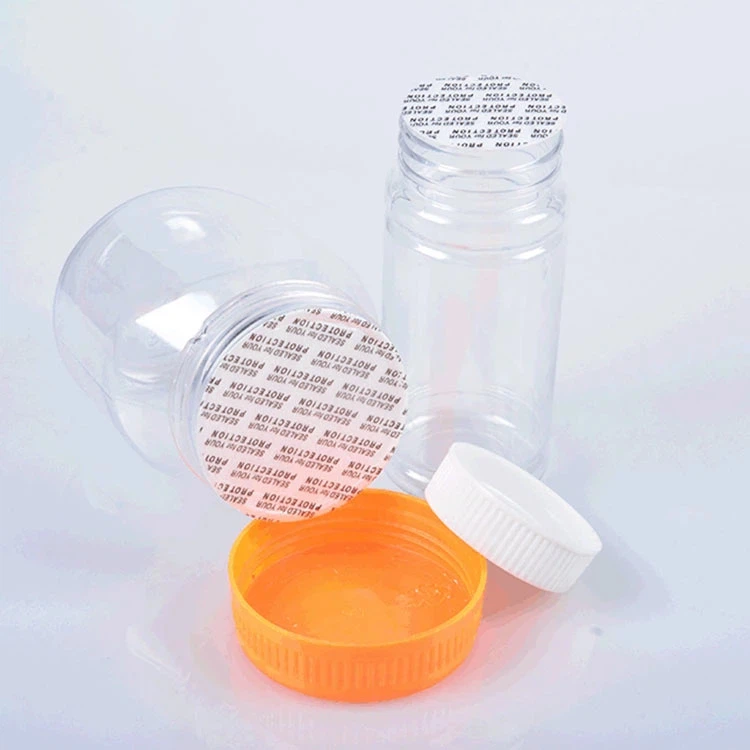
Self-sealing and pressure-responsive closures are innovative mechanisms used in various industries, including pharmaceuticals, food and beverage, automotive, and aerospace. These closures are designed to maintain the integrity of a container by automatically sealing when not in use and responding to internal or external pressure changes without manual intervention.
1. Definition and Functionality
Self-Sealing Closures: These are closures that automatically reseal once the device or container is no longer in use. They often utilize elastomeric materials or specialized valves that maintain a tight seal without external manipulation.
Pressure-Responsive Closures: These closures are engineered to respond to changes in internal or external pressure. They may open to relieve excess pressure or stay tightly sealed to prevent leakage, contamination, or explosion.
2. Types of Self-Sealing and Pressure-Responsive Closures
Elastomeric Seals: Made of flexible materials like silicone or rubber that compress or expand based on pressure.
Duckbill Valves: One-way valves that open under pressure and seal when pressure is removed.
Diaphragm Valves: Flexible diaphragms that deform to open or close pathways based on pressure differentials.
Spring-Loaded Valves: Utilize a spring mechanism to hold the closure in place until a specific pressure threshold is reached.
Breather Vents: Allow air to pass in or out while preventing the ingress of liquids or contaminants.
3. Materials Used
Silicone Rubber
EPDM (Ethylene Propylene Diene Monomer)
PTFE (Polytetrafluoroethylene)
Stainless Steel (for mechanical parts)
Polypropylene/Polyethylene (for housing)
These materials are selected based on the application’s temperature, chemical exposure, and pressure requirements.
4. Applications
Medical Devices: Used in IV bags, drug vials, and syringes to maintain sterility and prevent leaks.
Food and Beverage Packaging: Carbonated drink bottles use pressure-responsive caps to maintain fizz.
Aerospace and Automotive: Fuel systems, hydraulic systems, and pressure tanks require pressure-activated seals.
Consumer Products: Reusable containers, squeeze bottles, and cosmetic tubes.
5. Advantages
Leak Prevention: Ensures product containment even under dynamic conditions.
User Convenience: No need for manual resealing.
Contamination Control: Minimizes exposure to external environments.
Safety: Prevents over-pressurization or vacuum conditions.
Longevity: Extends product shelf life and maintains quality.
6. Challenges and Considerations
Material Compatibility: Must resist degradation from contents or cleaning agents.
Pressure Calibration: Closures must be precisely tuned to activate at the desired pressure range.
Cost: Advanced designs and materials can be more expensive.
Regulatory Compliance: Especially in pharmaceuticals and food, materials must meet FDA or ISO standards.
7. Future Trends
Smart Closures: Integration of sensors for real-time pressure and seal integrity monitoring.
Sustainable Materials: Development of eco-friendly and biodegradable self-sealing materials.
Miniaturization: Especially in medical and electronic applications.
Conclusion
Self-sealing and pressure-responsive closures are essential components in modern packaging and containment systems. They offer enhanced safety, convenience, and performance across a wide array of industries. As technology advances, these closures are expected to become more intelligent, efficient, and sustainable, meeting the growing demands of both consumers and regulators.