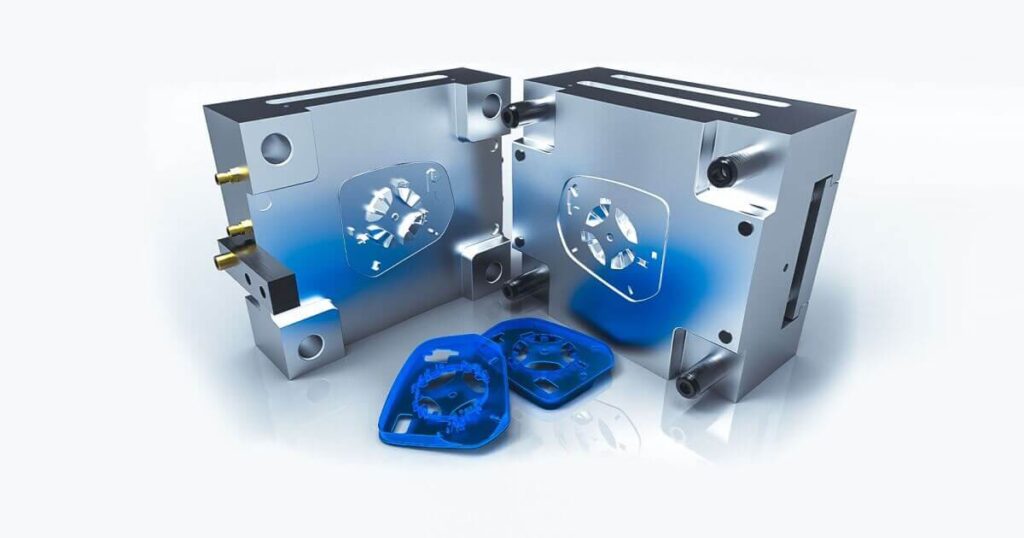
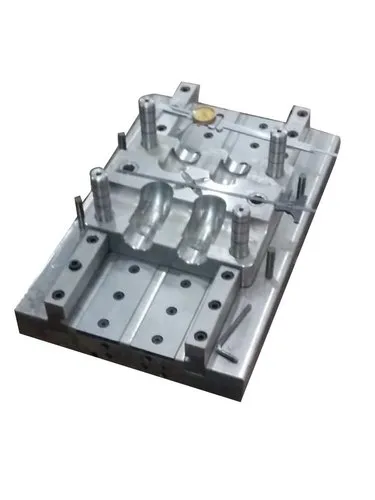
Sustainability has become a crucial focus across all industries, including manufacturing sectors like houseware production. Mould dies, essential for shaping plastic, metal, or composite houseware products, play a significant role not only in product quality and manufacturing efficiency but also in the environmental footprint of the production process. Choosing sustainable materials for mould dies is an increasingly important aspect of green manufacturing.
Importance of Sustainability in Mould Die Materials
Houseware items such as containers, utensils, kitchen gadgets, and decorative objects often require moulding processes. Mould dies used in these processes are traditionally made from materials like tool steels and alloys. However, the environmental impact of extracting, processing, and disposing of these materials can be significant. Sustainable approaches aim to:
Reduce environmental harm during material extraction and processing
Extend the lifespan of mould dies to reduce waste
Facilitate recycling and reuse of die materials
Lower energy consumption during manufacturing
Common Mould Die Materials and Their Environmental Impacts
Tool Steels (e.g., H13, P20)
Widely used due to their hardness and wear resistance, tool steels require significant energy for production and processing. Mining for steel components also has environmental consequences, such as habitat destruction and carbon emissions.Carbide and Composite Materials
These materials offer high wear resistance and durability but involve complex manufacturing processes, often energy-intensive, and may contain rare or difficult-to-recycle elements.Aluminum and Other Lightweight Metals
Aluminum is sometimes used for prototype moulds due to its light weight and ease of machining. Although aluminum is recyclable, its production is energy-intensive, and the lifespan of aluminum moulds tends to be shorter.
Strategies for Sustainable Mould Die Materials
Material Selection with Lifecycle Assessment (LCA)
Manufacturers are increasingly conducting LCAs to evaluate environmental impacts from raw material extraction through to end-of-life disposal. Materials with lower embodied energy and higher recyclability rates are preferred.Use of Recycled Materials
Incorporating recycled steel or alloys in mould dies reduces the demand for virgin materials and minimizes waste.Surface Treatments and Coatings
Applying advanced coatings can enhance wear resistance, thus extending mould life and reducing the frequency of replacements.Modular and Repairable Die Designs
Designing mould dies to be repairable or modular allows for parts to be replaced instead of discarding the entire die, reducing waste.Energy-Efficient Manufacturing Processes
Employing precision machining techniques and additive manufacturing (3D printing) can minimize material waste and energy consumption during die fabrication.End-of-Life Recycling and Reuse
Planning for the recycling of die materials after their useful life ensures that valuable metals are recovered and reintroduced into the production cycle.
Case Studies and Industry Trends
Steel suppliers are developing low-carbon steel production methods using electric arc furnaces powered by renewable energy.
Additive manufacturing is being explored to produce complex die components with less material waste.
Several houseware manufacturers have adopted closed-loop recycling programs for mould die materials, promoting circular economy principles.
Challenges and Future Directions
Balancing cost, performance, and sustainability remains a key challenge.
Innovation in bio-based or composite materials suitable for mould dies is an emerging research area.
Regulatory pressures and consumer demand for sustainable products are driving accelerated adoption of greener die materials and manufacturing techniques.
Conclusion
Sustainability in houseware mould die materials is essential for reducing the environmental footprint of manufacturing processes. By focusing on material selection, durability, recyclability, and energy-efficient production methods, manufacturers can significantly contribute to greener production and a more sustainable future for the houseware industry.