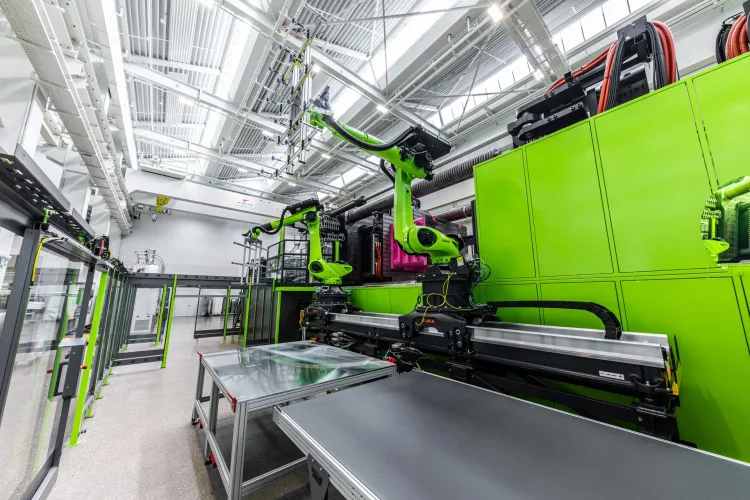
The automotive industry has long relied on injection molding for the mass production of high-precision plastic parts. As global attention shifts toward environmental sustainability, manufacturers are increasingly adopting sustainable injection molding practices. This shift is driven by regulatory pressures, consumer demand for greener vehicles, and corporate responsibility goals.
What is Injection Molding?
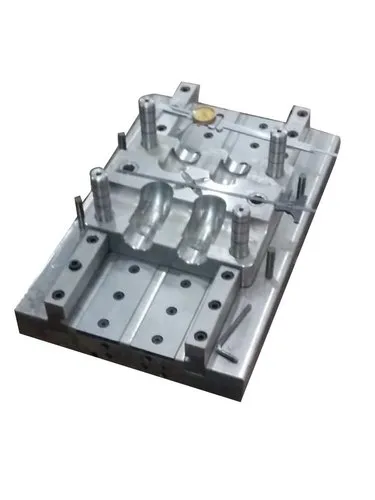
Injection molding is a manufacturing process where molten plastic is injected into a mold cavity to form parts. It is highly efficient for producing large volumes of identical components with complex geometries, making it ideal for automotive parts such as dashboards, bumpers, and internal trims.
Challenges with Traditional Injection Molding
Traditional injection molding processes pose several sustainability challenges:
High energy consumption during the heating and cooling cycles.
Use of non-renewable petroleum-based plastics.
Significant waste generation from rejected parts and sprues.
Limited recyclability of thermosetting plastics and composites.
Sustainable Practices in Injection Molding
1. Material Innovation
Bioplastics and Recycled Materials: The use of biodegradable polymers and recycled thermoplastics reduces dependency on fossil fuels and lowers the carbon footprint.
Lightweighting: Developing lightweight components through advanced material design reduces overall vehicle weight, enhancing fuel efficiency.
2. Energy Efficiency
Electric Injection Molding Machines: These consume significantly less energy than traditional hydraulic machines and offer more precise control.
Process Optimization: Using real-time monitoring systems to optimize cycle times, reduce idle times, and lower energy consumption.
3. Waste Reduction
Closed-loop Recycling Systems: Implementing systems to collect and reprocess scrap material from production lines.
Design for Manufacturability (DFM): Designing parts to minimize material usage and complexity can significantly reduce production waste.
4. Lifecycle Assessment (LCA)
Automotive companies are increasingly conducting LCAs to understand the environmental impact of components from cradle to grave. This helps in selecting materials and processes that are more sustainable over the entire product lifecycle.
5. Green Certification and Compliance
Compliance with environmental standards such as:
ISO 14001 (Environmental Management Systems)
REACH (Registration, Evaluation, Authorization, and Restriction of Chemicals)
RoHS (Restriction of Hazardous Substances)
These certifications not only ensure environmental compliance but also enhance brand value and customer trust.
Case Studies and Industry Examples
BMW has integrated recycled plastics in interior components, reducing CO₂ emissions per part.
Ford Motor Company uses soy-based polyurethane foam in seat cushions, demonstrating innovation in sustainable material use.
Toyota employs electric injection molding machines across several facilities, significantly reducing energy usage.
Future Trends
Circular Economy Models: Reuse of automotive plastics at the end of vehicle life.
Digitalization and AI: Smart manufacturing systems that predict defects and optimize resource use.
Collaboration in Supply Chains: OEMs and suppliers working together to improve sustainability across all tiers.
Conclusion
Sustainable injection molding is pivotal to the automotive industry’s transition toward greener manufacturing. Through the use of eco-friendly materials, energy-efficient equipment, waste-reducing processes, and rigorous environmental assessments, automotive manufacturers can significantly reduce their environmental impact while maintaining high standards of quality and performance.