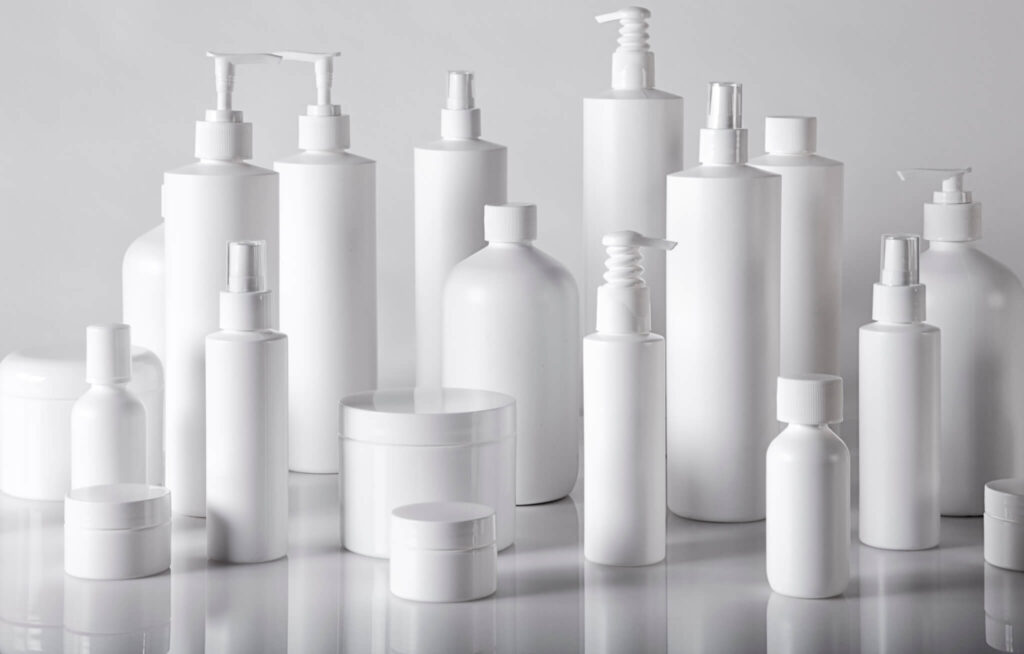
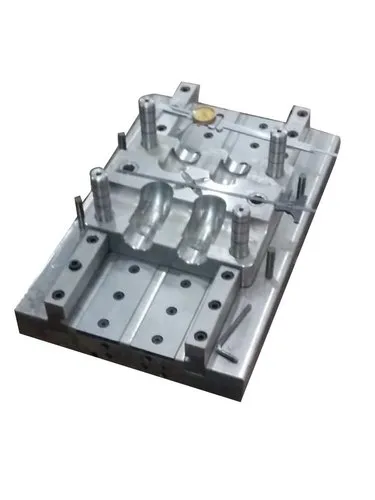
In the cosmetics industry, ensuring that packaging is compatible with manufacturing moulds is critical for quality, safety, and production efficiency. Mould compatibility testing helps confirm that the packaging components—such as bottles, caps, jars, and dispensers—can be reliably and consistently produced using the intended moulds without compromising product integrity or aesthetics.
1. Purpose of Mould Compatibility Testing
The goal is to verify that the packaging design:
Matches the mould dimensions and tolerances.
Performs well during production processes like injection moulding, blow moulding, or thermoforming.
Maintains structural integrity and appearance post-production.
Functions properly (e.g., sealing, dispensing) without deformation or failure.
2. Key Parameters to Test
a. Dimensional Accuracy
Confirm that all critical dimensions align with the mould specification.
Use precision measuring tools (e.g., calipers, CMMs) to compare actual parts with CAD models.
b. Material Behavior
Evaluate how the chosen packaging material behaves in the mould (e.g., shrinkage, warping, flow rate).
Conduct rheological testing and thermal analysis.
c. Mould Flow Simulation
Use software (e.g., Moldflow, SolidWorks Plastics) to simulate how the material flows through the mould cavity.
Helps identify potential issues like air traps, weld lines, or short shots.
d. Ejection and Demoulding
Assess whether the part can be easily removed from the mould without damage.
Check for issues like sticking, deformation, or surface blemishes.
e. Surface Finish and Aesthetics
Ensure that surface textures or patterns replicate as intended.
Look for visual defects like sink marks, flow lines, or discoloration.
f. Functional Testing
Evaluate component functionality after moulding (e.g., cap fits, actuator pumps work, no leakage).
Conduct torque, sealing, and compatibility tests with actual cosmetic formulations.
3. Testing Methods
First Article Inspection (FAI): Initial sample production to validate mould and part conformance.
Fit and Assembly Tests: Check how well parts like caps, pumps, and bottles fit together.
Stress and Strain Testing: Analyze how the moulded part holds up under physical pressures.
Environmental Testing: Assess how packaging performs under varied humidity and temperature conditions.
Pilot Runs: Small-scale production to simulate real-world manufacturing before full rollout.
4. Common Challenges
Shrinkage Variability: Different materials shrink differently, impacting fit and aesthetics.
Tolerances: Too tight tolerances may lead to production inefficiencies or high rejection rates.
Material-Mould Incompatibility: Some packaging polymers may degrade or perform poorly in certain moulds.
Design Complexities: Intricate packaging designs may be difficult to demould cleanly.
5. Best Practices
Collaborate early with mould makers and material suppliers during packaging design.
Choose materials that are proven to work well with the intended mould and cosmetic product.
Validate with real production conditions, not just theoretical models.
Document and review all findings to support regulatory compliance and future optimization.