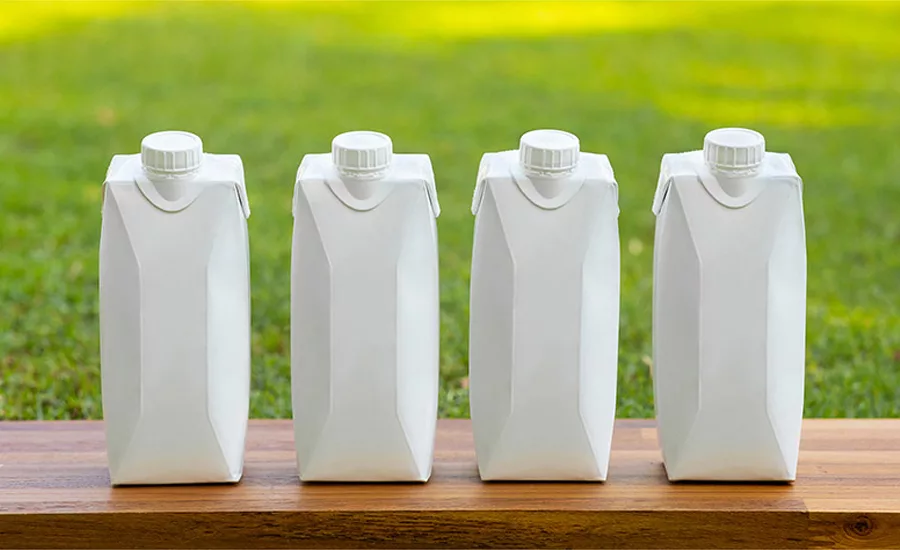
1. Packaging Design and Materials
Tetra Pak:
Made primarily from paperboard, with thin layers of plastic and aluminum for barrier protection.
Lightweight, rectangular or square design optimized for storage and transport.
Sealed using heat and pressure to create an airtight closure.
Traditional Bottle Closures:
Typically used with plastic (PET) or glass bottles.
Closures include screw caps (plastic or metal), snap-on lids, or crown caps (for glass).
Designed for resealability and durability.
2. Sustainability and Environmental Impact
Tetra Pak:
Considered more sustainable due to lower material weight and efficient use of space during transportation.
However, recycling is more complex because of the multi-layer composition (paper, plastic, aluminum).
Efforts are ongoing to improve collection and recycling infrastructure.
Traditional Closures:
PET bottles and plastic caps are widely recyclable but contribute significantly to plastic waste.
Glass is fully recyclable but heavy and energy-intensive to produce and transport.
Metal caps (e.g., aluminum) are recyclable but often end up in landfills due to improper sorting.
3. Convenience and User Experience
Tetra Pak:
Lightweight and easy to carry.
Some models feature resealable plastic spouts, while others require scissors or tearing.
Not always as easy to pour compared to bottles.
Traditional Bottle Closures:
Generally easy to open, pour, and reseal.
Offers better durability and leak-proof features.
Suitable for carbonated beverages due to pressure resistance.
4. Cost and Production
Tetra Pak:
Lower cost in bulk due to efficient materials and compact shipping.
Requires specialized filling and sealing machines.
Ideal for aseptic packaging (e.g., long-life milk, juices).
Traditional Closures:
Higher material and transportation costs, especially for glass bottles.
More flexible in terms of production locations and scalability.
Well-suited for short shelf-life and on-the-go beverages.
5. Brand Perception and Use Cases
Tetra Pak:
Associated with sustainability and innovation.
Common in dairy, juice, and plant-based beverages.
Perceived as modern and eco-conscious by many consumers.
Traditional Bottle Closures:
Classic and familiar packaging, especially for soda, water, and beer.
Offers a premium feel with glass bottles, often used in luxury beverages.
Conclusion
Both Tetra Pak and traditional bottle closures have their unique advantages and limitations.
Tetra Pak excels in sustainability, cost-efficiency, and space-saving, making it ideal for shelf-stable products.
Traditional bottles with closures offer durability, resealability, and versatility, especially for beverages requiring carbonation or refrigeration.
The choice between the two depends largely on the product type, target market, and environmental priorities of the brand.