June 2025

Common Defects in Cosmetic Moulding and Their Causes

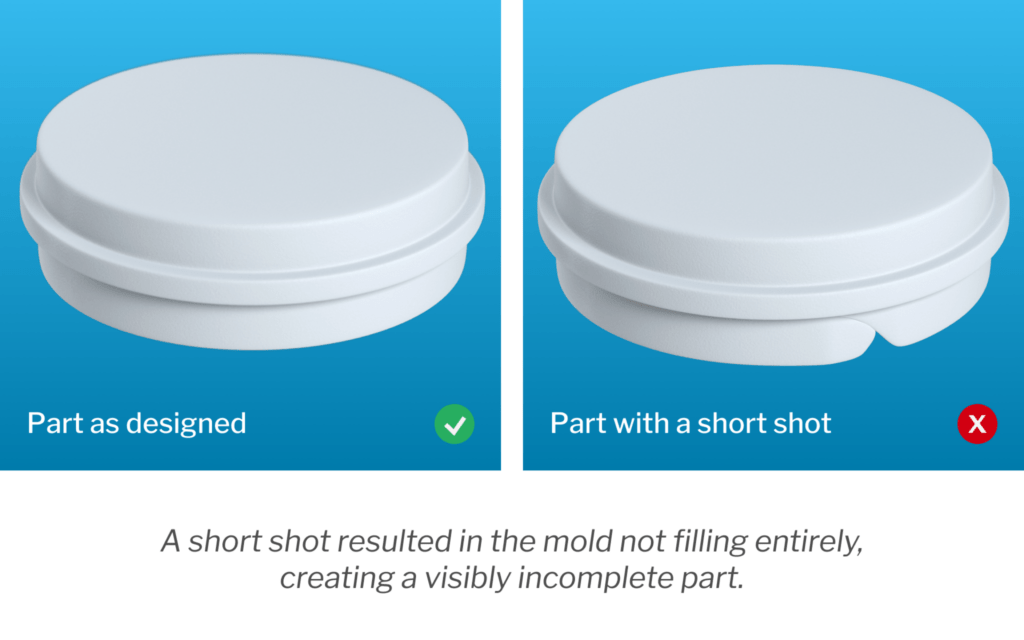
Cosmetic moulding, especially in plastic injection moulding, requires high precision and aesthetic quality. Even minor surface defects can render a product unacceptable for consumer use. Below are some of the most common defects encountered in cosmetic moulding along with their likely causes: 1. Flow Lines Description: Streaks or patterns (often wavy) that appear on the […]

Common Defects in Cosmetic Moulding and Their Causes Read More »
Caps and Closures in the Beverage Industry

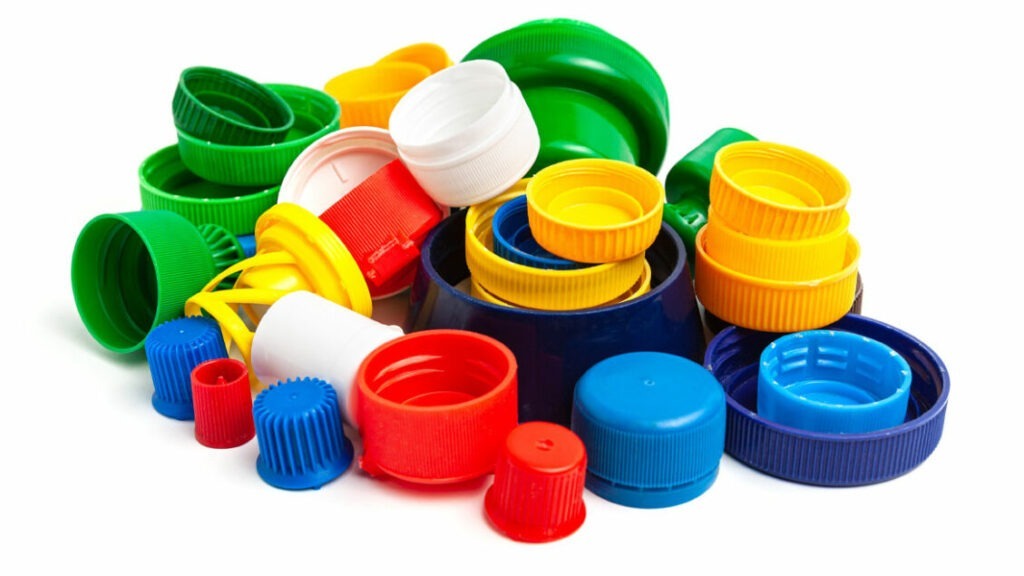
Caps and closures play a vital role in the beverage industry, ensuring product safety, extending shelf life, and enhancing consumer convenience. These components are not just protective seals—they also serve as branding tools and functional enablers that impact packaging efficiency and sustainability. 2. Functions of Caps and Closures Sealing and Protection: Prevent leakage and contamination.

Caps and Closures in the Beverage Industry Read More »

Lifecycle of a Cosmetic Mould: From Design to Production

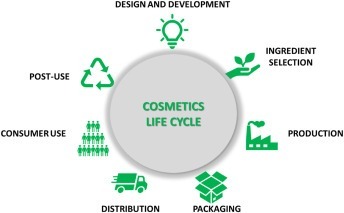
The cosmetic industry is highly competitive and innovation-driven, with aesthetics, functionality, and speed-to-market playing key roles. Central to this dynamic ecosystem is the cosmetic mould—a precision tool used to manufacture packaging components such as lipstick cases, compact containers, mascara tubes, and lotion bottles. The lifecycle of a cosmetic mould is a meticulous process that spans

Lifecycle of a Cosmetic Mould: From Design to Production Read More »

Light weighting Techniques in Closure Production

Lightweighting in closure production refers to the process of reducing the amount of material used to manufacture bottle and container closures, without compromising their functionality, performance, or safety. This practice is increasingly adopted in the packaging industry to lower material costs, reduce environmental impact, and improve supply chain efficiency. 1. Importance of Lightweighting Cost Reduction:

Light weighting Techniques in Closure Production Read More »

Common Polymers Used: HDPE, PET, PVC, PP, and PC

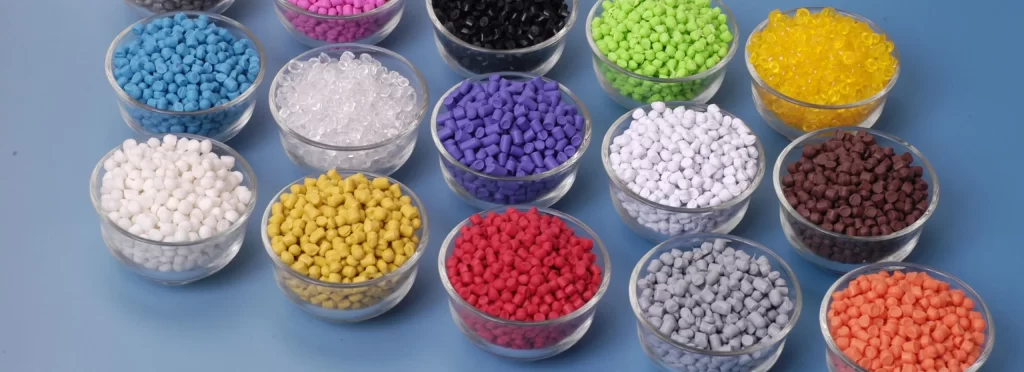
Polymers are widely used materials in various industries due to their versatility, durability, and cost-effectiveness. Among them, five polymers stand out for their broad applications and unique properties: HDPE, PET, PVC, PP, and PC. Here’s an overview of each: 1. High-Density Polyethylene (HDPE) Properties: High strength-to-density ratio, resistant to impact and chemicals, non-leaching. Applications: Used

Common Polymers Used: HDPE, PET, PVC, PP, and PC Read More »

Prototyping Cosmetic Moulds Using 3D Printing

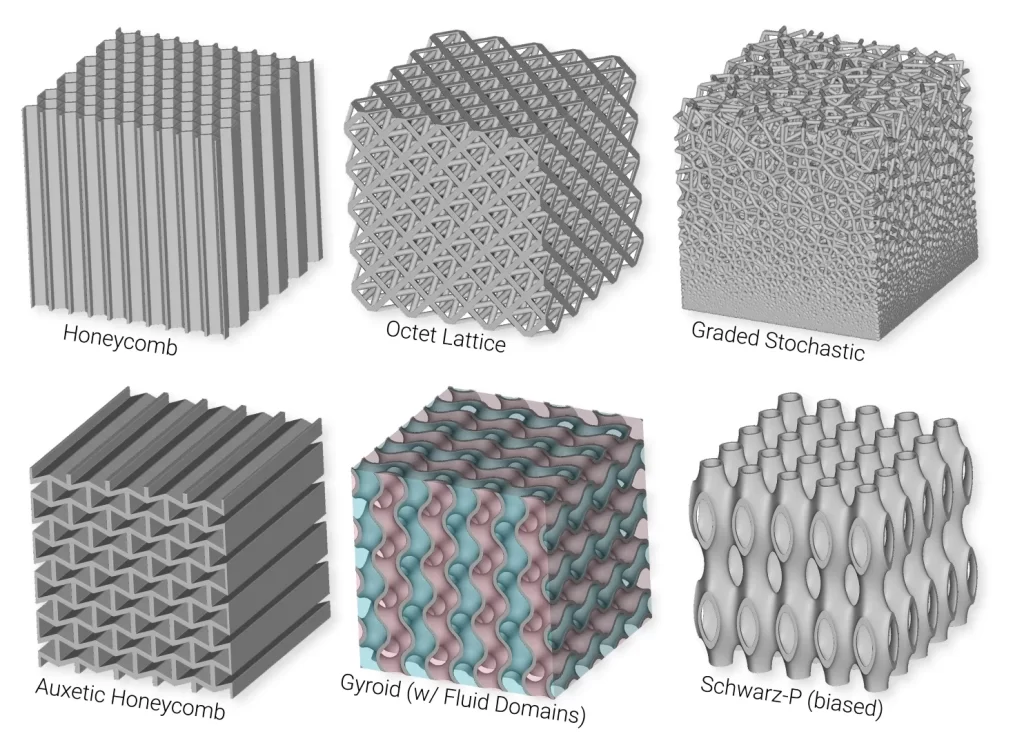
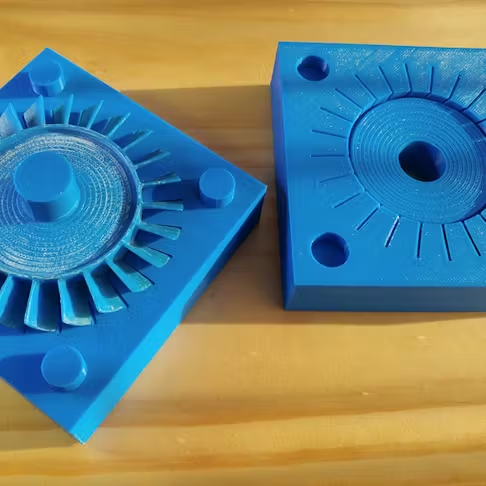
In the competitive world of cosmetics, speed, customization, and innovation are crucial. Whether it’s for packaging design, applicators, or limited-edition product formats, the development of cosmetic moulds is a key stage in bringing new products to market. Traditional mould-making processes can be time-consuming and expensive. Enter 3D printing—a transformative technology that is revolutionizing the way

Prototyping Cosmetic Moulds Using 3D Printing Read More »

Advances in Recyclable Closure Technologies

The global push toward sustainability has significantly influenced the packaging industry, driving innovation in recyclable closure technologies. Closures—such as caps, lids, and seals—play a crucial role in maintaining product integrity, but historically, they have posed challenges for recycling systems due to material incompatibility and complex designs. Recent technological advances are addressing these issues, paving the

Advances in Recyclable Closure Technologies Read More »

Selection Criteria for Polymers in Blow Moulding

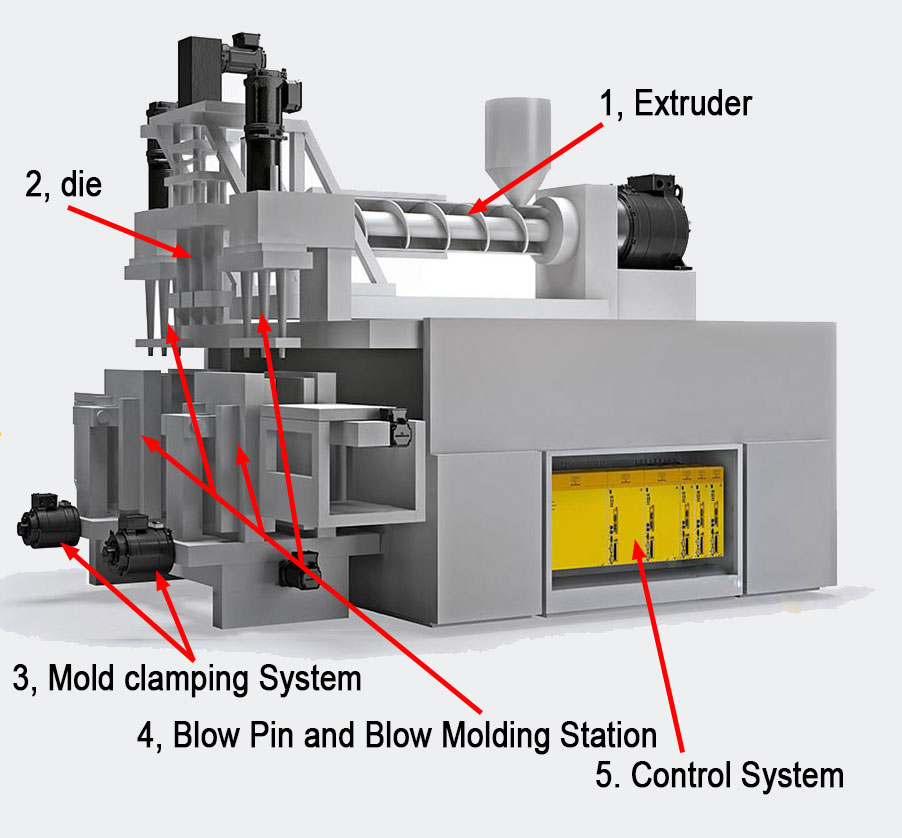
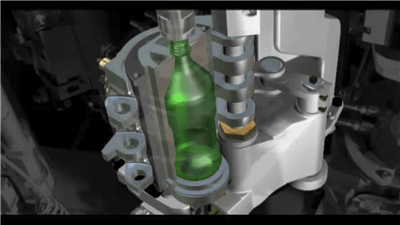
Blow moulding is a manufacturing process used to form hollow plastic parts, such as bottles, containers, and tanks. Selecting the right polymer is crucial to ensure product quality, process efficiency, and cost-effectiveness. The choice of polymer depends on several material properties and end-use requirements. 1. Process Compatibility Melt Strength: The polymer must exhibit sufficient melt

Selection Criteria for Polymers in Blow Moulding Read More »

Tolerances and Precision in Cosmetic Moulds

In the cosmetic industry, moulds play a critical role in shaping products such as lipstick, compact powders, mascara containers, and more. The precision and tolerances maintained in these moulds directly impact the quality, appearance, and functionality of the final product. Given the aesthetic-driven nature of cosmetics, the standards for mould accuracy are particularly stringent. 1.

Tolerances and Precision in Cosmetic Moulds Read More »

Scroll to Top