June 2025

Injection Molding vs. Compression Molding in Closure Manufacturing

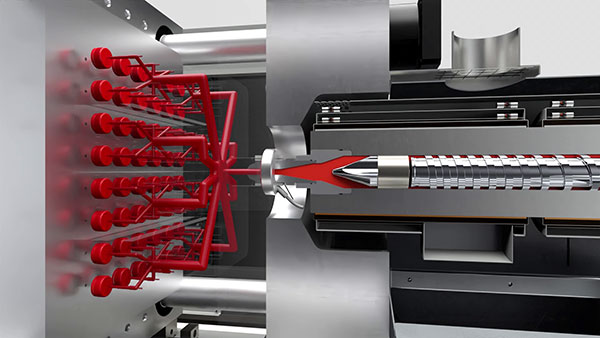
Closure manufacturing—such as the production of caps and lids for bottles and containers—uses two main plastic molding techniques: Injection Molding and Compression Molding. Each method has distinct characteristics, advantages, and use cases depending on the requirements of the final product. 1. Process Overview Injection Molding Plastic resin is melted and injected under high pressure into […]

Injection Molding vs. Compression Molding in Closure Manufacturing Read More »
Role of Mould Design in Blow Moulding Efficiency

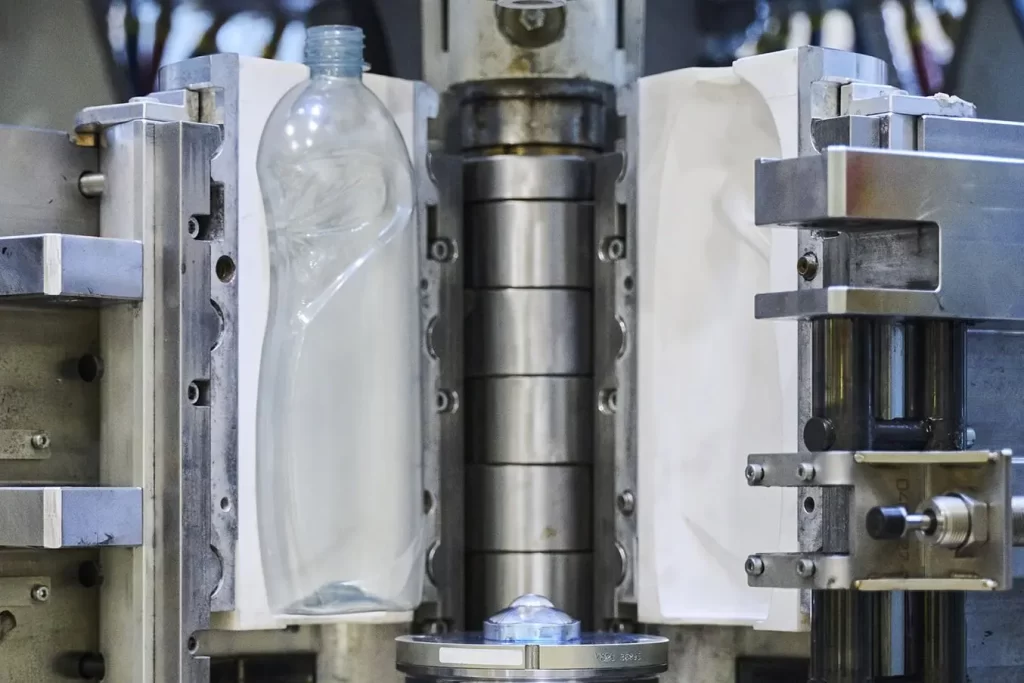
Blow moulding is a manufacturing process used to produce hollow plastic parts, such as bottles, containers, and tanks. One of the most critical factors influencing the efficiency, cost-effectiveness, and quality of this process is mould design. An optimally designed mould not only ensures the desired shape and strength of the final product but also significantly

Role of Mould Design in Blow Moulding Efficiency Read More »

The Role of Mould Design in Product Aesthetics

Mould design plays a critical role in determining the final appearance and perceived quality of a product. While functionality and performance are essential aspects of any product, aesthetics greatly influence consumer appeal, brand perception, and market success. The design and precision of the mould directly affect surface finish, dimensional accuracy, texture, and consistency — all

The Role of Mould Design in Product Aesthetics Read More »

Biodegradable and Sustainable Materials for Closures

As sustainability becomes a central focus in packaging design, the development of biodegradable and sustainable materials for closures—such as caps, lids, stoppers, and seals—has gained significant attention. Closures, though often small components, play a crucial role in maintaining product integrity, shelf life, and user convenience. Their environmental impact, particularly when made from conventional plastics, is

Biodegradable and Sustainable Materials for Closures Read More »

Custom Moulds for Luxury Cosmetic Brands

In the highly competitive and image-conscious world of luxury cosmetics, product presentation is nearly as important as the formulation itself. Custom moulds play a critical role in helping high-end cosmetic brands stand out, by translating their identity into tangible, visually stunning packaging and applicators. Why Custom Moulds Matter in Luxury Cosmetics Luxury cosmetic brands differentiate

Custom Moulds for Luxury Cosmetic Brands Read More »

Common Materials Used in Caps and Closures

Caps and closures are essential components in packaging, providing both functional and protective roles across various industries such as food and beverage, pharmaceuticals, cosmetics, and household products. The choice of material plays a critical role in determining the performance, sustainability, cost, and compatibility of the closure with the product and container. Below are the most

Common Materials Used in Caps and Closures Read More »

Single-Stage vs Two-Stage Blow Moulding

Blow moulding is a manufacturing process used to produce hollow plastic parts, such as bottles and containers. Two common variations of this process are Single-Stage and Two-Stage Blow Moulding. Understanding their differences is essential for selecting the right method based on product requirements, production volume, and cost efficiency. 1. Process Overview Single-Stage Blow Moulding Integrates

Single-Stage vs Two-Stage Blow Moulding Read More »

Blow Moulding Techniques for Cosmetic Containers

Blow moulding is a widely used manufacturing process for creating hollow plastic parts, especially containers and bottles used in the cosmetic industry. It allows for high-volume production, lightweight packaging, and intricate design features — all essential for cosmetic brands seeking to combine functionality with aesthetic appeal. 1. Introduction to Blow Moulding Blow moulding involves inflating

Blow Moulding Techniques for Cosmetic Containers Read More »

Comparison of Rigid vs. Flexible Closures

Closures are critical components in packaging systems, responsible for sealing a container and preserving product integrity. They come in two primary types: rigid and flexible closures. Each type has unique characteristics, advantages, and suitable applications. 1. Definition Rigid Closures: Made from hard, inflexible materials (usually plastics or metals), these closures maintain their shape under stress.

Comparison of Rigid vs. Flexible Closures Read More »

Scroll to Top