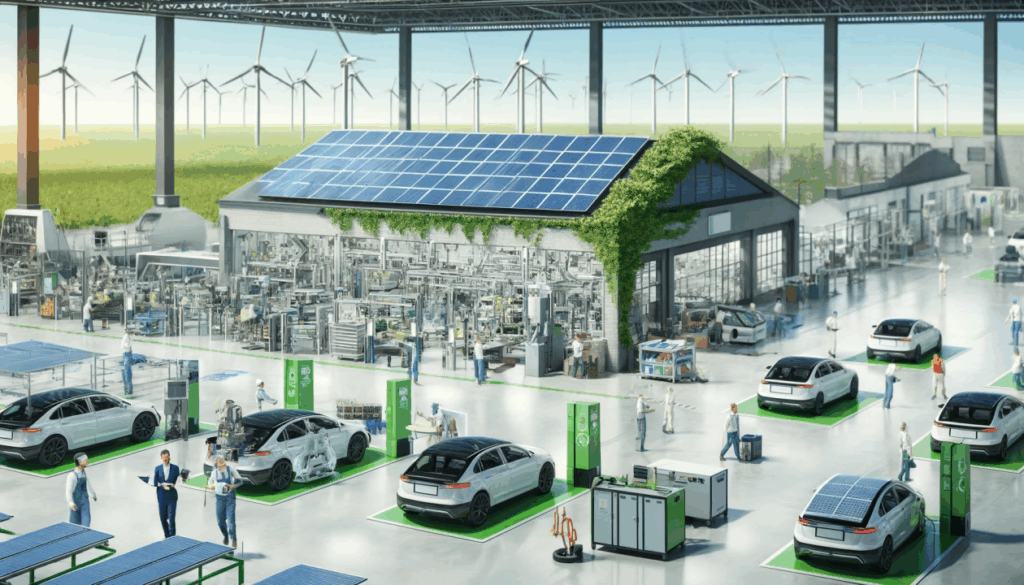
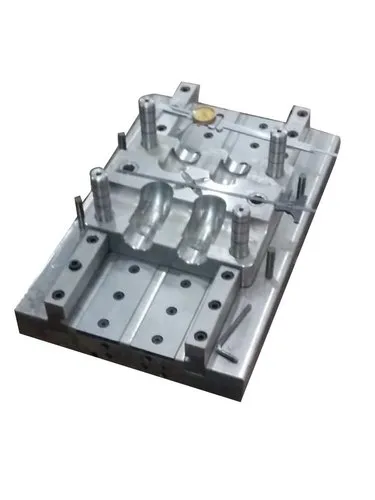
Green manufacturing refers to the creation of products through processes that minimize environmental impacts, conserve energy and natural resources, and ensure safety for employees, communities, and consumers. In the automotive industry, tooling—which includes dies, molds, jigs, and fixtures essential for production—plays a critical role in shaping parts and components. Integrating green principles into automotive tooling not only supports sustainability but also enhances operational efficiency and brand reputation.
Key Principles of Green Manufacturing in Tooling
Energy Efficiency
Use of energy-efficient machinery such as servo-driven presses.
Implementation of smart sensors and control systems to reduce idle energy consumption.
Optimizing machine usage through predictive maintenance and scheduling.
Material Optimization
Use of sustainable and recyclable materials for tool manufacturing.
Lightweighting of tools without compromising structural integrity using simulation and design software.
Reduction in material waste through precision manufacturing techniques like CNC machining and additive manufacturing.
Waste Reduction
Reuse and recycling of scrap materials generated during tool production.
Adopting lean manufacturing techniques to eliminate non-value-adding activities.
Water and coolant recycling in cutting and machining operations.
Cleaner Production Technologies
Adoption of additive manufacturing (3D printing) for tool components to reduce material waste and energy usage.
Use of environmentally friendly lubricants and coolants.
Surface treatments and coatings that extend tool life and reduce the need for frequent replacement.
Lifecycle Thinking
Designing tools with longer service life and modular components for easy repair and replacement.
Evaluating environmental impact across the tool’s lifecycle—from raw material extraction to end-of-life disposal.
Circular economy approaches to reuse old tooling components or repurpose worn-out tools.
Green Tooling Innovations in the Automotive Sector
Hybrid Tooling Techniques: Combining traditional and additive manufacturing to reduce material use and enhance design flexibility.
Digital Twin Technology: Simulating the performance and environmental impact of tools before physical production.
Smart Tooling Systems: Embedding sensors in tools for real-time data on performance, reducing downtime, and optimizing operations.
Benefits of Green Manufacturing in Automotive Tooling
Environmental Benefits: Reduced emissions, waste, and resource consumption.
Economic Advantages: Cost savings through energy efficiency, longer tool life, and reduced material usage.
Regulatory Compliance: Adherence to environmental laws and standards such as ISO 14001.
Reputation and Market Advantage: Meeting consumer demand for sustainable practices and gaining competitive advantage.
Challenges and Considerations
High Initial Investment: Advanced green technologies and retrofitting can be capital-intensive.
Skill Gap: Need for workforce training in green technologies and practices.
Technology Integration: Adapting existing systems to new green manufacturing methods may require significant changes.
Conclusion
Green manufacturing in automotive tooling is not just an environmental imperative but also a strategic move toward long-term profitability and sustainability. By incorporating eco-friendly practices in tooling processes, automotive manufacturers can reduce their carbon footprint, optimize resources, and drive innovation in an increasingly eco-conscious marketplace.