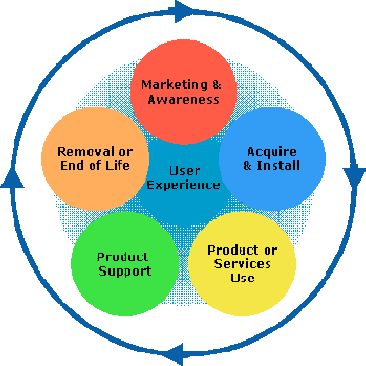
In today’s digital and customer-centric world, businesses must go beyond just offering products or services — they need to create memorable and meaningful interactions. This is where User Experience (UX) comes into play. UX focuses on how a user interacts with, perceives, and feels about a system, product, or service. Understanding and aligning UX design with consumer preferences is crucial to building brand loyalty, driving engagement, and increasing conversions.
What is User Experience (UX)?
UX encompasses every aspect of the end-user’s interaction with a company, its services, and its products. It includes elements such as:
Usability: Is the product easy to use?
Accessibility: Can it be used by people of all abilities?
Design: Is it visually appealing and intuitive?
Functionality: Does it meet the user’s needs efficiently?
Emotional Impact: How does the product make the user feel?
Good UX ensures that users have a seamless, efficient, and enjoyable experience, which significantly influences their preferences and behavior.
Consumer Preferences: A Moving Target
Consumer preferences refer to the individual tastes and choices of customers when selecting products or services. These preferences are shaped by factors such as:
Cultural and social influences
Personal values and beliefs
Technological trends
Brand experiences
Convenience and usability
Modern consumers expect personalized, fast, and user-friendly experiences. As digital touchpoints grow, so does the demand for intuitive and responsive UX design.
The Link Between UX and Consumer Preferences
There is a direct correlation between UX and consumer preferences:
First Impressions Matter: Users often form opinions within seconds. A well-designed UX can make a powerful first impression and influence the likelihood of engagement.
User Retention: If an app or website is difficult to use, users will abandon it quickly. Good UX increases satisfaction and loyalty.
Customization and Personalization: Consumers prefer experiences tailored to their needs. UX that leverages data for personalization increases relevance and engagement.
Feedback Loops: UX research helps gather insights into consumer preferences through methods like usability testing, surveys, and heat maps, allowing brands to refine their offerings.
Trust and Credibility: A smooth and error-free UX fosters trust. Consumers are more likely to prefer brands they perceive as reliable and user-friendly.
Trends Shaping UX and Consumer Expectations
Mobile-first design: With mobile usage surpassing desktop, UX must prioritize seamless mobile experiences.
Voice and AI integration: Consumers are increasingly comfortable using voice commands, pushing designers to rethink interaction patterns.
Dark mode and accessibility features: Meeting diverse needs is no longer optional.
Minimalist design: Clean and simple interfaces reduce friction and cater to shorter attention spans.
Conclusion
User Experience is no longer a secondary consideration — it is a core component of consumer engagement and satisfaction. As consumer preferences continue to evolve, businesses must invest in UX research and design to stay relevant and competitive. The companies that understand and adapt to their users’ needs through thoughtful UX will lead the market and build lasting customer relationships.