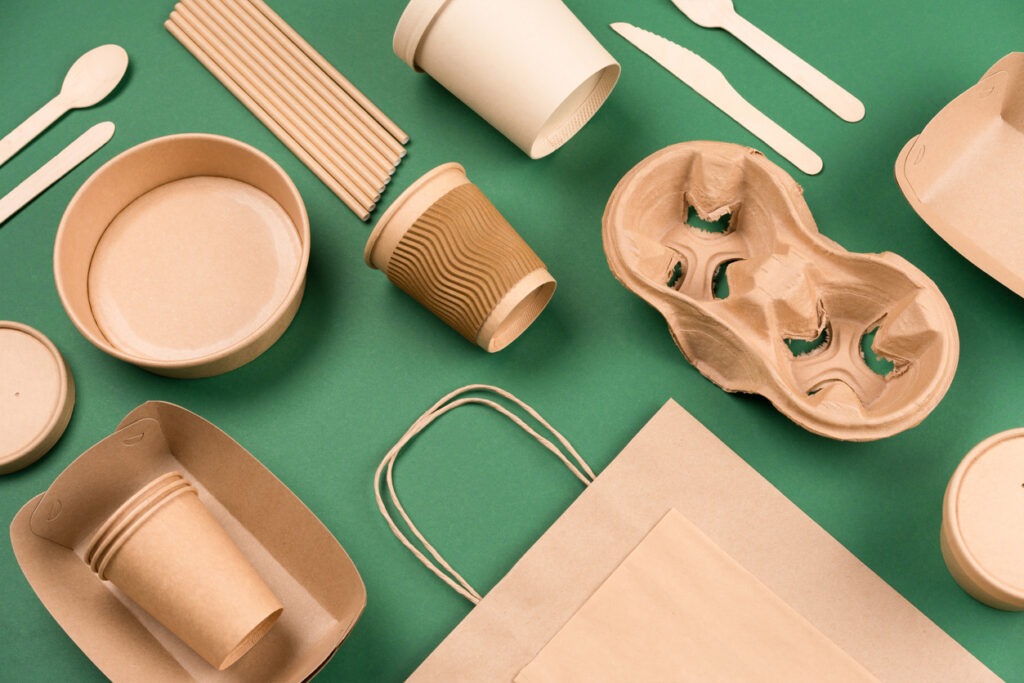
As the global demand for sustainable packaging solutions grows, innovations in closures—caps, lids, seals, and wraps—have become increasingly important. Traditional closures are often made from non-recyclable plastics that contribute to long-term environmental pollution. In response, scientists and companies are now developing edible and biodegradable closures that align with the principles of sustainability and circular economy.
1. What Are Edible and Biodegradable Closures?
Edible Closures: Designed to be safely consumed along with the product. Typically made from food-grade materials such as starch, gelatin, proteins (like casein), or seaweed extracts.
Biodegradable Closures: Made from natural materials that break down into non-toxic components in the environment. These do not necessarily need to be edible but are compostable or recyclable.
2. Key Materials Used
| Material | Type | Characteristics |
|---|---|---|
| Seaweed-based films | Edible | High in nutrients, fast-degrading |
| Gelatin and starch | Edible/Biodegradable | Flexible, water-soluble |
| Polylactic Acid (PLA) | Biodegradable | Derived from corn, industrial compostable |
| PHA (Polyhydroxyalkanoates) | Biodegradable | Marine-degradable, plant-based |
| Chitosan (from crustacean shells) | Edible/Biodegradable | Antimicrobial, strong, biodegradable |