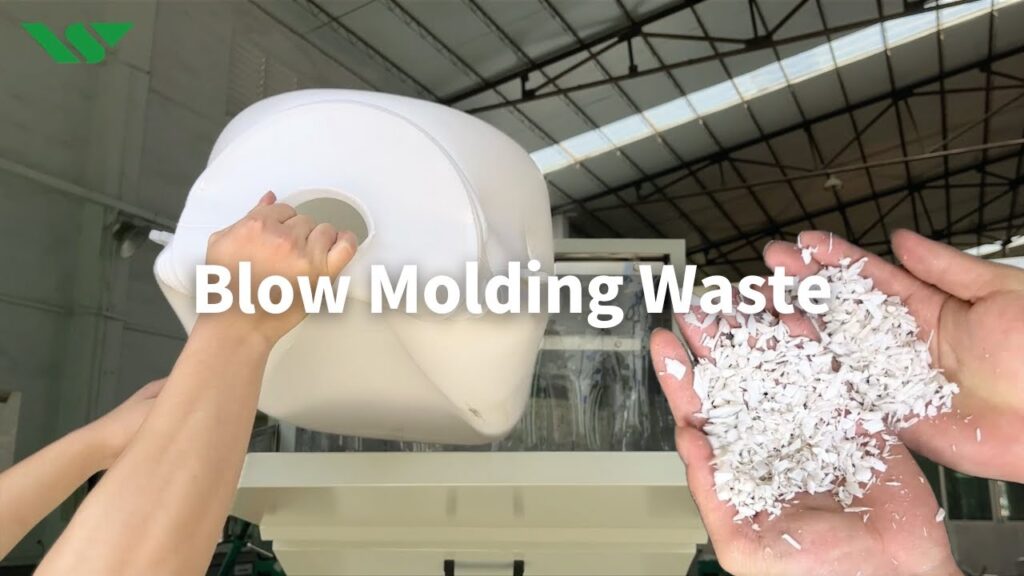
Blow moulding is a manufacturing process used to produce hollow plastic components such as bottles, containers, tanks, and drums. As environmental sustainability becomes increasingly important, the recycling and reuse of blow moulded products have emerged as critical strategies for reducing plastic waste and conserving resources.
1. Overview of Blow Moulded Products
Blow moulded products are typically made from thermoplastics such as:
High-Density Polyethylene (HDPE)
Polyethylene Terephthalate (PET)
Polypropylene (PP)
Polyvinyl Chloride (PVC)
These materials are widely used due to their durability, chemical resistance, and cost-effectiveness. However, their environmental impact has prompted significant attention toward recycling and reuse.
2. Recycling of Blow Moulded Products
Recycling involves converting used plastic products into reusable material through mechanical or chemical processes.
a. Mechanical Recycling
This is the most common method and involves:
Collection and Sorting: Used blow moulded products are collected, sorted by type and color, and cleaned.
Shredding and Washing: Products are shredded into flakes, washed, and dried.
Reprocessing: The cleaned flakes are melted and re-extruded into pellets for manufacturing new products.
b. Chemical Recycling
In this process, polymers are broken down into monomers or other basic chemicals which can then be reused in new plastic production. It is suitable for harder-to-recycle plastics and contaminated materials but is more complex and costly.
c. Recycling Challenges
Contamination by food or chemicals
Mixing of incompatible plastics
Degradation of mechanical properties with multiple recycling cycles
3. Reuse of Blow Moulded Products
Reusing involves employing products multiple times before recycling or disposal, often with minimal reprocessing.
a. Refill and Reuse Programs
Many companies promote returnable containers (e.g., water bottles, detergent containers) that can be cleaned and reused multiple times.
Industrial containers like IBCs (Intermediate Bulk Containers) and drums are often reused in supply chains.
b. Product Repurposing
Consumers and industries often repurpose containers for storage, planters, or other household/industrial uses.
4. Sustainability and Circular Economy
The recycling and reuse of blow moulded products contribute to:
Reduction in raw material consumption
Lower energy use and greenhouse gas emissions
Decreased landfill usage
Incorporating Post-Consumer Recycled (PCR) content into new blow moulded products is a growing trend. Companies are designing products with recyclability in mind—using mono-materials, avoiding colored or multilayer plastics, and implementing eco-design principles.
5. Regulations and Industry Initiatives
Governments and organizations around the world are enforcing regulations to boost recycling:
Extended Producer Responsibility (EPR)
Recycled content mandates
Plastic waste reduction targets
Industry initiatives like the Ellen MacArthur Foundation’s New Plastics Economy are pushing for more sustainable plastic packaging.
6. Conclusion
Recycling and reuse in blow moulded products are essential for building a sustainable and circular plastic economy. Through innovative design, efficient recycling technologies, and responsible consumer behavior, the plastic industry can significantly reduce its environmental impact.